
AC cleaning removes dust, dirt, leaves, and other buildup from accessible parts that move air and release heat. It’s worth scheduling when you notice weak airflow, uneven cooling, musty smells, visible grime, or longer cooling cycles. Cleaning may help if buildup is the cause, but it won’t fix broken parts, a refrigerant leak, or duct problems.
What an AC cleaning service usually includes
Your air conditioner has an indoor section and an outdoor section. Both need clear airflow and clean surfaces to do their jobs. The exact work depends on the system layout and how easy each part is to reach.
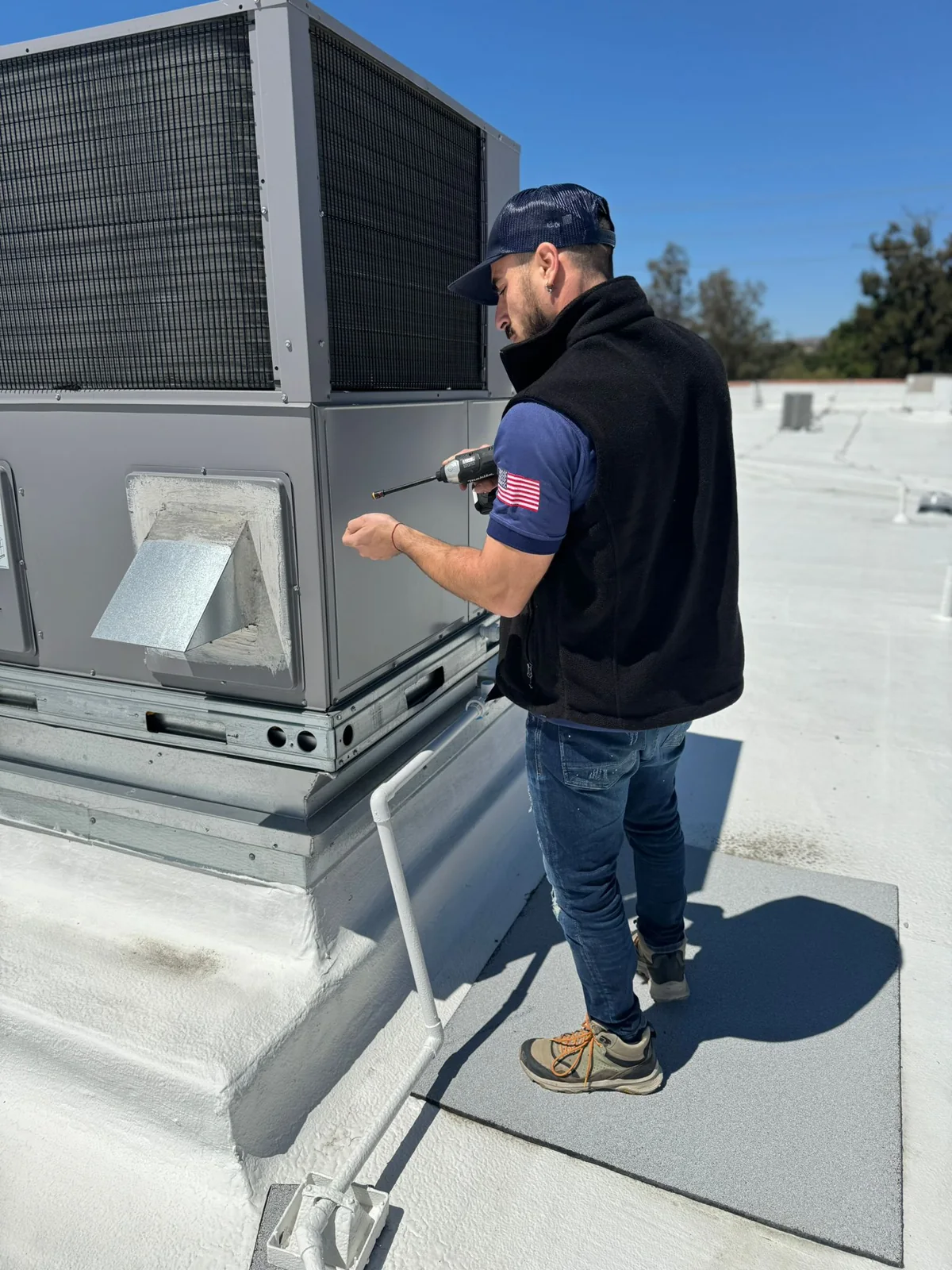
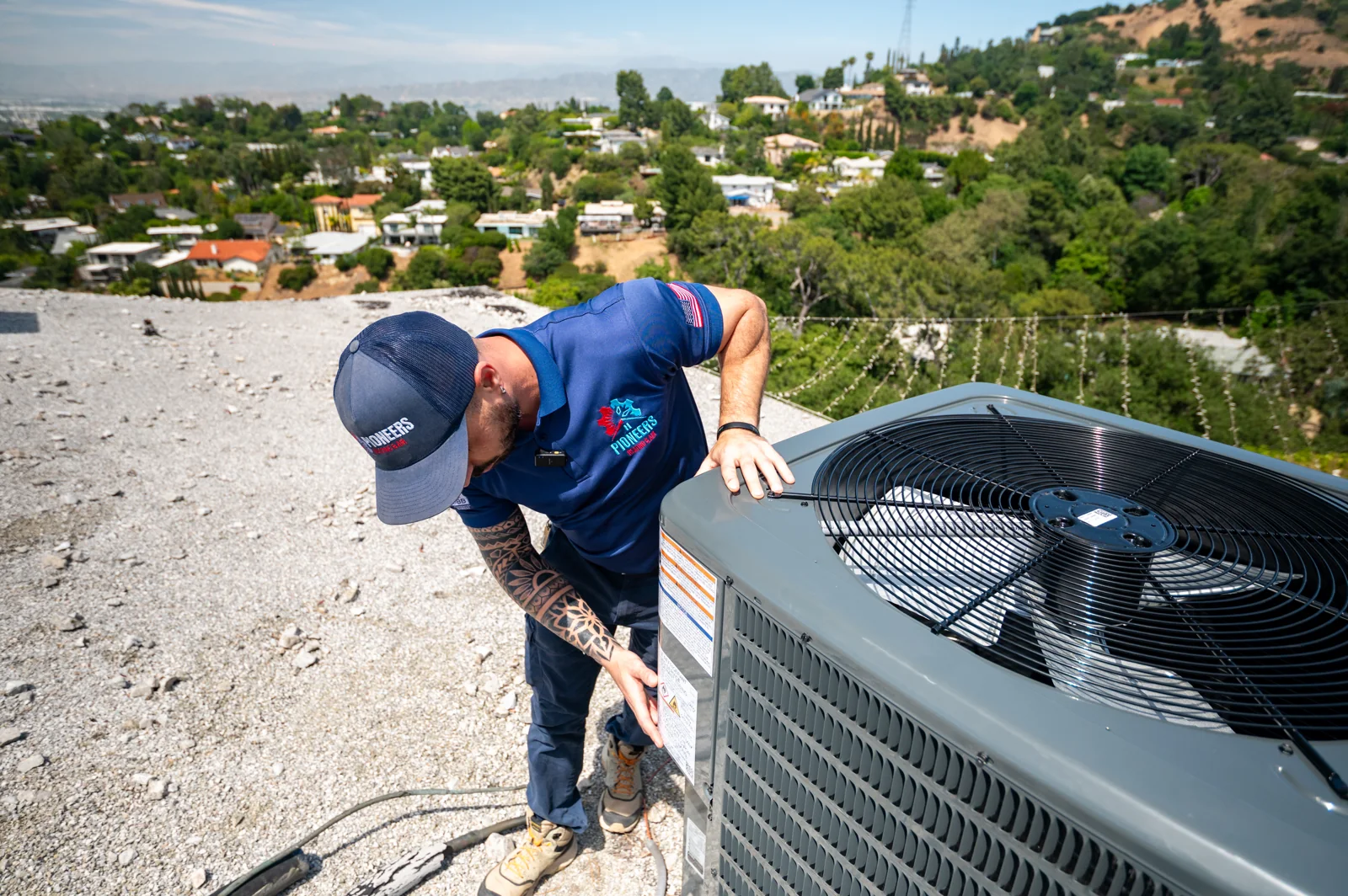
Pioneers Heating & Air’s AC Cleaning service focuses on removing dust and buildup from key cooling-system parts, including the indoor coil area, blower compartment, condensate drain, and outdoor coil.
- Indoor coil area check and cleaning when accessible. The evaporator coil takes heat from indoor air. Dust on this coil can slow that heat transfer.
- Blower compartment cleaning. The blower pushes cooled air through the home. Dust in this area can limit airflow.
- Filter check. A clogged filter can restrict air before it reaches the indoor equipment. The right replacement filter depends on the system and filter rack.
- Condensate pan and drain check. Your AC pulls moisture from indoor air. That water should leave through a drain line rather than collect around the unit.
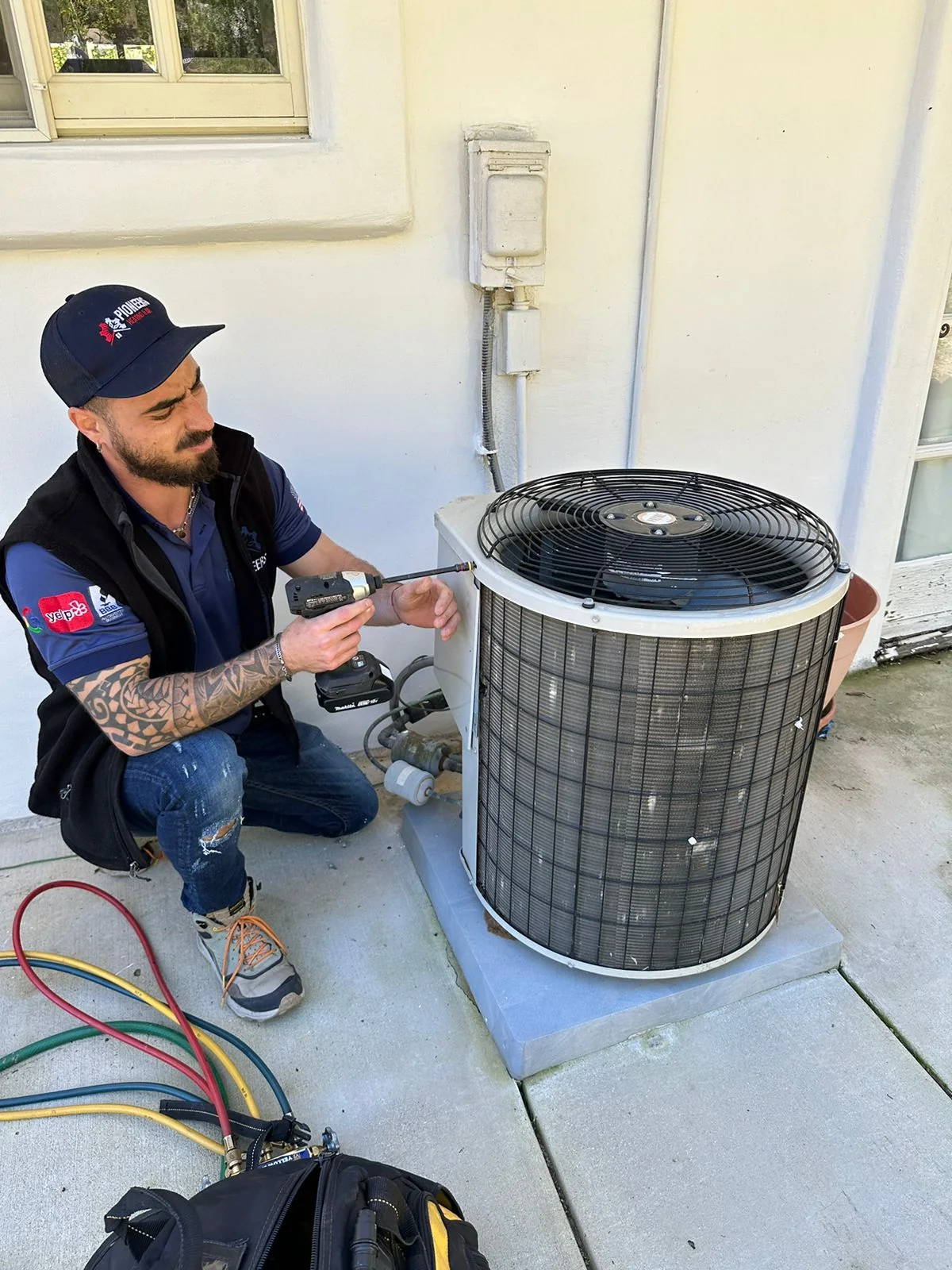
- Outdoor unit debris removal. Leaves, loose dirt, grass clippings, and landscaping debris can block air around the condenser coil.
- Visible-condition review. A technician can note dirt, drain trouble, damaged insulation, worn parts, or other concerns that need separate repair work.
Cleaning does not automatically include air duct cleaning. Duct work is a separate part of the home, and whether it needs attention depends on what is found. Cleaning also isn’t a substitute for repairing a failed motor, capacitor, electrical connection, or refrigerant leak.
Why clean coils and clear airflow matter
Air must pass through the indoor coil, then heat must leave through the outdoor coil. Dirt creates a barrier on those surfaces. The system may run longer while the home still feels warm or has hot rooms.
ENERGY STAR’s maintenance checklist says contractors should clean evaporator and condenser coils because dirty coils reduce cooling ability and increase run time. The same checklist says airflow problems can reduce system efficiency by up to 15 percent.
A dirty system is only a possible cause. Similar signs can come from a thermostat setting, a blocked supply vent, a duct leak, low refrigerant, or a failing part. An inspection separates a cleaning need from a repair need before work begins.
Signs AC cleaning may be worth scheduling
Start with what you can safely see and hear. Don’t remove access panels or bend coil fins. Those thin metal fins damage easily.
Dust or debris is visible around the equipment
Look at the outdoor unit from the outside. Leaves, dirt, paper, or plant growth around it can block airflow. Pasadena homes may collect dust during hot spells, while nearby trees, landscaping, and home projects can add debris around an outdoor unit.
Indoors, dirt around the return grille or a packed filter calls for attention. Replace a disposable filter with the correct size and type if it is dirty. If dust returns quickly or you can see buildup in equipment areas, ask for an AC cleaning assessment.
Airflow feels weak at several vents
Hold your hand near a few open supply vents while the cooling is running. Weak air throughout the house can point to a dirty filter, blower buildup, a duct issue, or another system problem. Check that furniture, rugs, and closed doors aren’t blocking return grilles or vents first.
Cooling is uneven or takes longer than usual
A room that stays warm may have a local airflow problem. A whole home that takes longer to cool may have dirty coils or another fault. Note which rooms are affected, what the thermostat is set to, and whether air from the vents feels cool. Those details help a technician inspect the right areas.
A musty smell starts when the AC runs
Odors can have several causes. Moisture near the indoor coil, drain pan, or drain line needs prompt attention. The U.S. Environmental Protection Agency says standing water or debris in a condensate pan signals a problem that needs attention. If you see water near indoor equipment, turn the system off if it is safe to do so and arrange service.
AC cleaning, seasonal maintenance, and repair are different jobs
These services can overlap, yet they answer different needs. Choose the service based on the symptom and the condition of the equipment.
| Service type | Best starting point | What it is meant to do |
|---|---|---|
| AC cleaning | Visible dirt, debris, airflow restriction, or dirty coil and blower areas | Remove buildup from accessible cooling and airflow parts |
| Seasonal maintenance | Routine yearly care before or during cooling season | Check the system’s condition and perform scheduled upkeep |
| AC repair | No cooling, odd noises, repeated shutoffs, leaks, or a system that will not start | Find and address a faulty part or operating problem |
| Duct cleaning | Concerns located in the duct system | Address dust or debris inside ductwork when that service is needed |
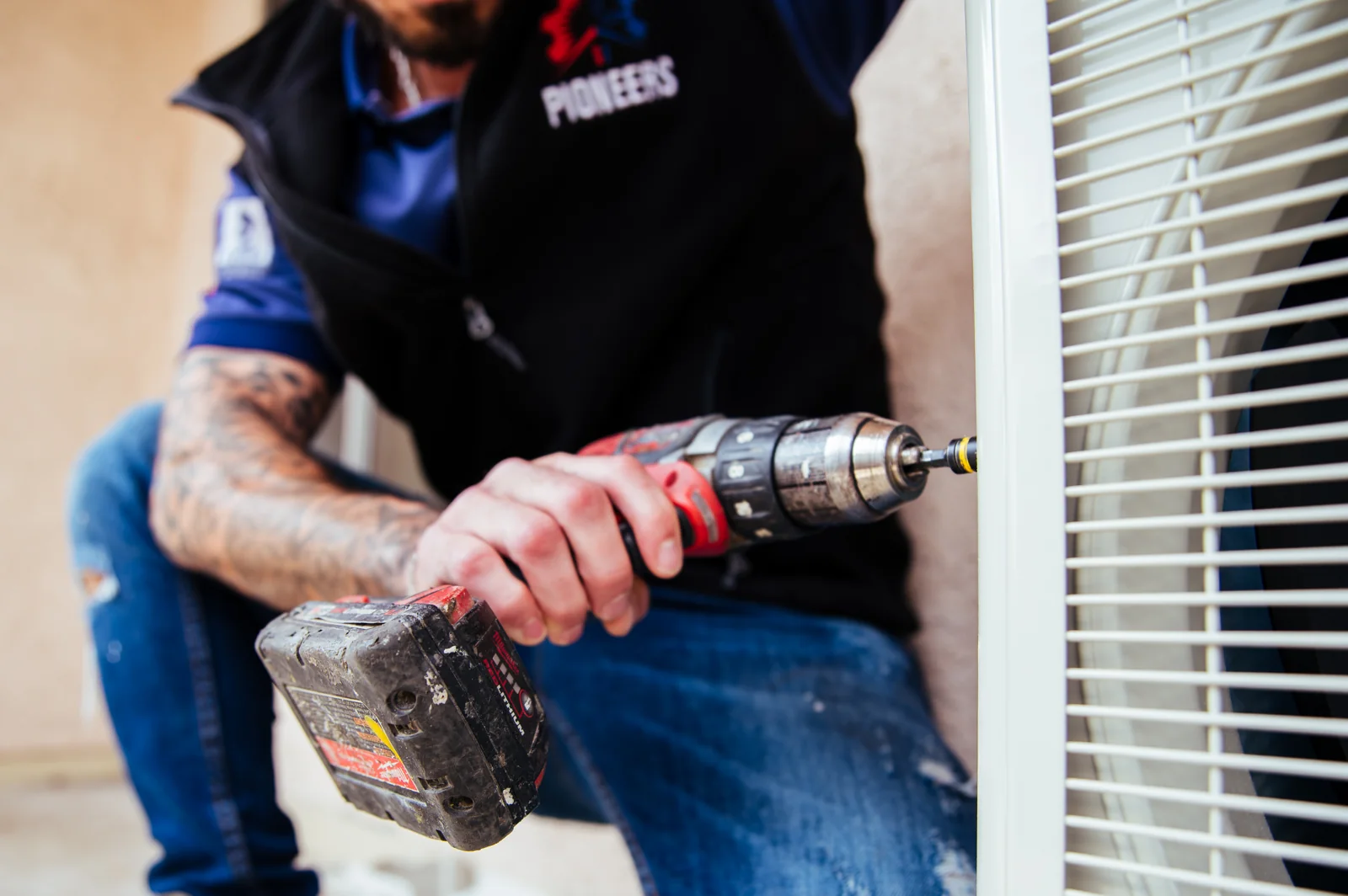
Routine service can include cleaning where needed, but the work list should fit the unit’s condition. The U.S. Department of Energy says to check the evaporator coil yearly and clean it as needed, while also removing leaves and debris from split-system condenser components. Its Home Cooling 101 guide also notes that annual AC maintenance can support comfort, efficiency, and equipment life.
If your unit runs but does not cool, trips a breaker, makes loud new sounds, or has ice on a refrigerant line, ask for a repair diagnosis rather than assuming dirt is the only issue.
Safe checks to make before you book
A few simple checks can rule out a basic airflow issue and give the service visit a better starting point.
- Set the thermostat to cool and choose a temperature below the current room temperature.
- Check the air filter. Write down its size before buying a replacement.
- Make sure return grilles and supply vents are open and not blocked.
- Clear loose leaves and objects from around the outdoor unit without taking it apart or spraying it with a pressure washer.
- Look for water near the indoor unit, ice, damaged wires, or unusual sounds. Take a photo only from a safe distance.
- Write down when the issue started and whether it affects every room or only certain rooms.
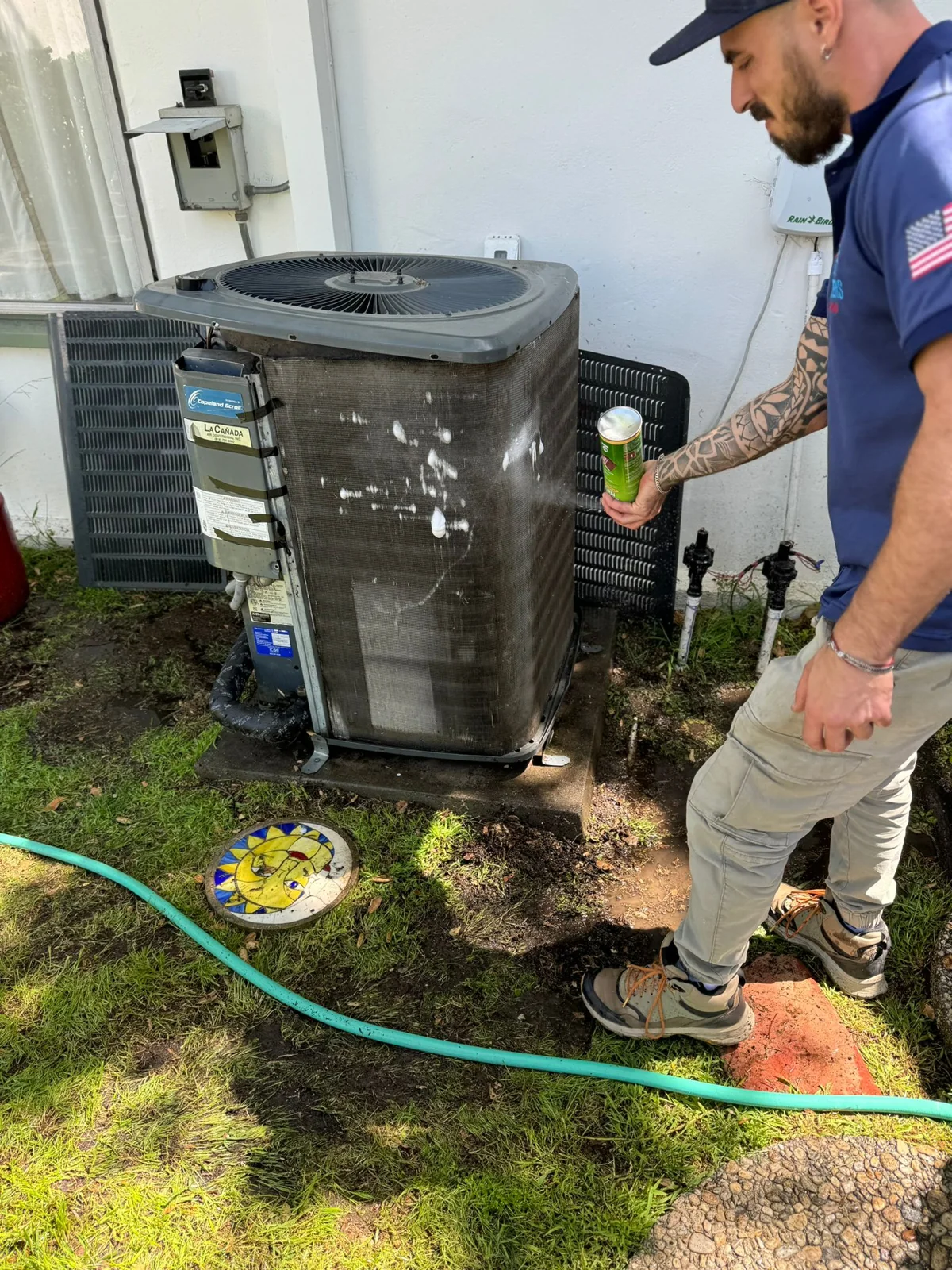
Skip do-it-yourself coil chemicals and high-pressure water unless the equipment maker’s instructions say otherwise. The indoor coil may be hard to reach, and the outdoor fins bend easily. A blocked drain can also spill water into areas you cannot see.
What to ask before AC cleaning begins
Clear questions help you understand what is included for your equipment and what may need separate approval.
- Which parts are accessible and need cleaning?
- Is the filter included, or should I provide the correct replacement?
- Is there evidence of a drain blockage or water damage?
- Did you find a repair issue apart from dirt buildup?
- Is duct cleaning needed, or is the concern limited to the AC equipment?
- What routine upkeep should I handle between visits?
Ask for the findings in plain language. You should know whether the next step is cleaning, a repair estimate, a maintenance visit, or simple filter replacement.
Frequently asked questions
How often should an AC be cleaned?
There is no single schedule for every system. Filter changes depend on the filter type and home conditions. Coil and blower cleaning depends on dust buildup, airflow, equipment access, and what a service inspection finds. Yearly maintenance gives a technician a chance to check whether cleaning is needed.
Can I rinse the outdoor AC unit myself?
You can remove loose leaves and keep open space around the unit. Avoid pressure washers, sharp tools, and harsh cleaners. Bent fins and water forced into electrical areas can create trouble. If the coil looks packed with dirt, have a trained technician assess the safe cleaning method.
Does a dirty air filter mean the coils are dirty?
Not always. A filter catches much of the dust before it reaches the equipment, yet filters can be installed poorly, left in place too long, or bypassed by gaps. A technician can inspect accessible areas instead of guessing from the filter alone.
For AC cleaning, maintenance, or a repair check in Pasadena and the Greater Los Angeles area, contact Pioneers Heating & Air at (626) 217-0559. Describe what you see, smell, and hear so the team can help you book the right next step.