Why Upstairs Rooms Stay Hot With AC
Hot upstairs rooms can point to attic heat, air leaks, duct losses, or airflow trouble instead of an AC problem...
Need Commercial Heating Repair In Pasadena? Pioneers Heating & Air delivers fast commercial furnace and rooftop unit repairs with honest pricing book now

Commercial heating repairs keep your building safe, comfortable, and open for business.
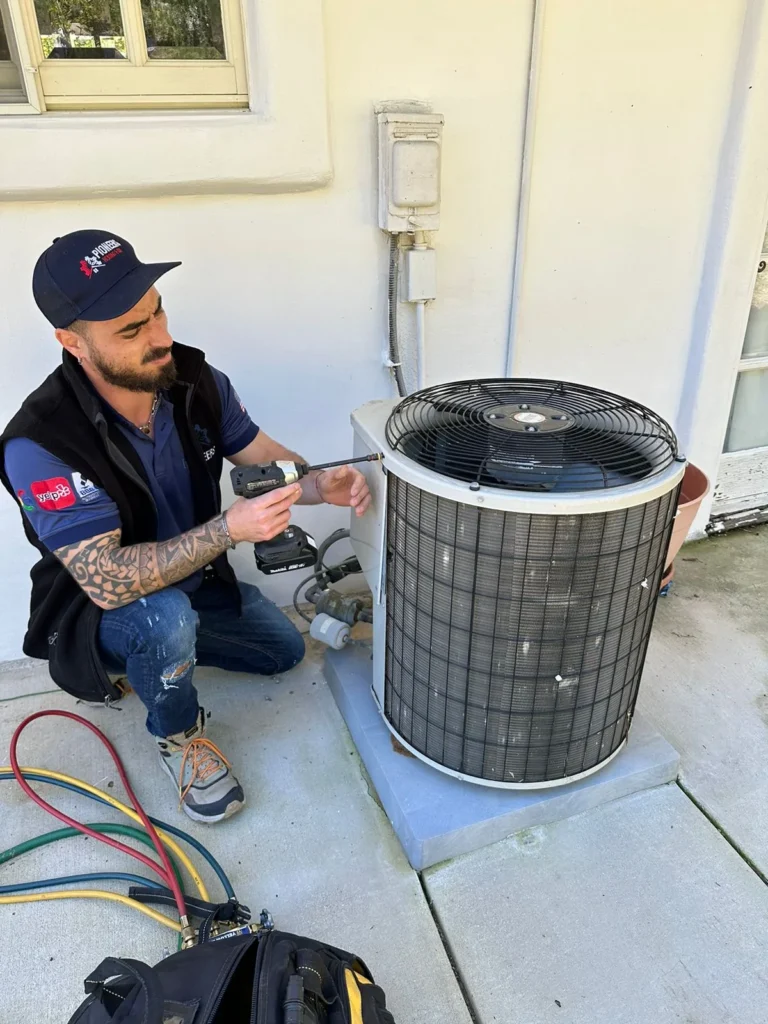
Commercial Heating Repair in Pasadena helps restore heat for offices, retail spaces, restaurants, warehouses, and multi-tenant buildings. Pioneers Heating & Air troubleshoots commercial furnaces and rooftop units, finds the real cause, and completes repairs that fit your system and schedule in Pasadena, CA. Call (626) 217-0559 or visit our homepage.
Need Help? Call Pioneers Heating & Air near you
Commercial heating systems fail in different ways than residential units, and the impact is bigger. A cold lobby, unhappy tenants, or a dining room that feels like a walk-in fridge can slow down your day fast. Our commercial heating repair work focuses on restoring safe operation, stable temperatures, and reliable starts.

We repair and troubleshoot many common commercial heating setups, including packaged rooftop units, furnaces, split systems, and heat pumps. If you also need broader support, our commercial heating services can help keep systems consistent across suites.
Are you dealing with one area heating and another staying cold. Does the unit run but never seems to catch up. Those clues help us pinpoint where the problem starts, and our commercial HVAC troubleshooting and diagnostics process helps confirm it.
Commercial units usually fail in a few predictable chains that we can test quickly. Heating problems often look random from across the room, but the equipment is still following a safety and control sequence. We check that sequence step by step, then confirm it with readings and operation checks as part of commercial HVAC system repair.
You may need service when comfort drops, energy use spikes, or the system short cycles. Commercial heaters often warn you before they quit completely. Acting early can help you avoid a full shutdown during a busy shift or a cold morning, and an HVAC inspection can help confirm what is trending wrong.
If your staff keeps adjusting thermostats all day, that is a sign something is off. The thermostat is often the messenger, not the problem, and a commercial thermostat installation is only part of the picture when controls or airflow are the real cause.
Tenants and employees notice comfort issues long before a full breakdown. If multiple people say the same thing, it is usually not just picky, it is usually the equipment. If you need a quick check to confirm what is happening, consider a commercial HVAC inspection and tune-up.
Most breakdowns come from ignition issues, airflow problems, controls, or worn electrical parts. Commercial heaters work hard and cycle more than many homeowners realize. Rooftop equipment also deals with sun, wind, rain, and rooftop debris. That adds wear to parts that need clean power, clean airflow, and steady fuel delivery, which is why commercial HVAC system maintenance helps reduce surprise failures.
Sometimes a unit works but runs inefficiently. That can be a stuck damper, weak blower, low airflow, or a control issue that keeps the heater fighting itself, and HVAC maintenance can help catch these before they become a no heat call.
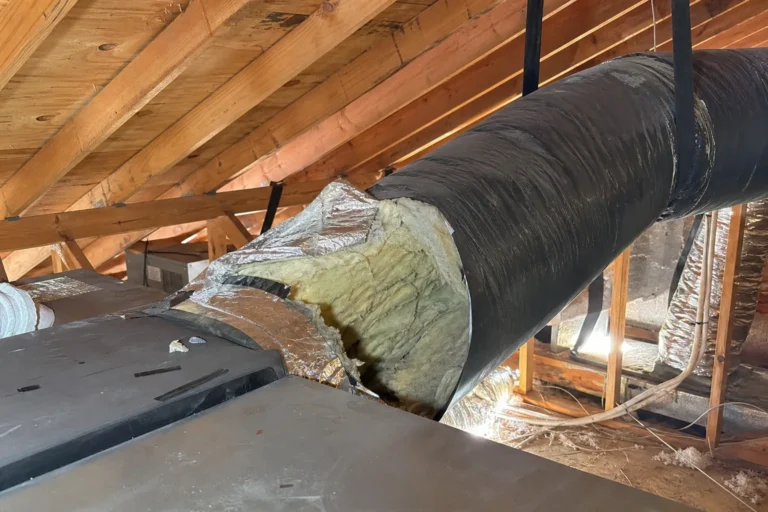
A heater can only heat properly if it can move enough air across the heat exchanger or coil. Low airflow can trigger safety limits, reduce comfort, and wear down parts. When airflow is the underlying issue, commercial duct balancing can be the follow up that stabilizes temperatures.
If you are thinking, we changed the thermostat twice, you are not alone. Many commercial heat problems are airflow or power issues that a thermostat cannot fix, and our commercial HVAC troubleshooting and diagnostics helps separate symptoms from causes.
Need Help? Call for Heating & Air Services
Our repair visit focuses on confirming the issue, fixing it safely, and checking full heat operation. We treat troubleshooting like a decision tree, not a guessing game. Your building needs heat you can count on, and you need clear notes about what failed and why, supported by commercial HVAC system repair best practices.
We also keep an eye out for issues that can cause repeat failures. Nobody wants a fixed for today outcome that turns into a second service call tomorrow, which is why we may recommend commercial HVAC system maintenance after the repair.
You should not need a translator to understand your own HVAC system. We explain what failed, what caused it, and what the repair changes. If there are multiple paths forward, we talk through the practical pros and cons, and we can coordinate with commercial emergency HVAC services when heat loss affects operations.
We repair common commercial heating components for furnaces and rooftop units. Commercial heating repair is often part mechanical, part electrical, and part control logic. The good news is many failures are straightforward once tested correctly, and we can pair the fix with commercial HVAC inspection and tune-up steps when appropriate.
Some buildings also have multiple units serving different suites. We can help you identify which unit serves which area, so the next issue gets routed fast. If mapping points to duct issues, commercial air duct testing can help confirm distribution problems.
On a roof, parts bake in the sun and cool off fast at night. Fast temperature swings and moisture can shorten component life. For many sites, pairing repairs with commercial rooftop unit services helps reduce repeat failures.
If a rooftop panel is loose, the unit can pull in water or debris. That is the kind of small thing that becomes a big thing later, and commercial HVAC system maintenance can help catch it sooner.
The time it takes depends on access, the type of failure, and how the building is set up. Some repairs are quick once we confirm the failed part. Others take longer because we need to trace controls, confirm intermittent shutdowns, or coordinate roof access, which is why many managers keep commercial emergency HVAC services in mind for critical locations.
We aim to keep downtime as low as possible while still testing properly. A rushed repair that skips verification can lead to repeat calls, and a follow up HVAC tune up can help confirm stable operation.
If a unit fails only on cold mornings or only after running for 20 minutes, we may need to run it through more cycles. We also look for loose connections, overheating controls, and limit trips that show up under real operation, using commercial HVAC troubleshooting and diagnostics.
Safety comes first, and some warning signs mean you should shut the unit down and call. Heating equipment mixes fuel, flame, high voltage, and moving parts. If something seems unsafe, do not push it. It is better to pause and get it checked by a contractor providing commercial heating repair.
If you smell gas, leave the area and follow your building safety plan. Then call your gas provider and a qualified HVAC contractor. For general background on carbon monoxide, see Carbon monoxide.
Safety switches trip for a reason. Jumping them out can lead to equipment damage or unsafe operation. If someone suggests a workaround that ignores safeties, that is your cue to stop the experiment and request commercial HVAC system repair testing instead.
You can prep the site in a few simple ways to speed up troubleshooting. A little prep can save time, especially in multi-tenant or high-traffic spaces. It also helps us focus on the fix instead of searching for access points, and it supports a smoother commercial HVAC inspection and tune-up style workflow.
Do you have more than one rooftop unit. If you know which unit label matches the problem area, tell us. If you do not know, that is fine. We can help map it, and if airflow issues show up, commercial duct balancing can be a next step.
Pioneers Heating & Air
If filters are severely clogged, the heater may shut down on high limit. Replacing a filter is not a repair, but it can stop a chain reaction that breaks parts. If your team changes filters, confirm they are the correct size and installed in the right direction. If problems persist after filter changes, a ductwork inspection can help find restrictions.
Once heat is restored, you want to know it will keep up through morning warm up and peak occupancy. We test for stable cycling, but your building use patterns matter too. Many teams pair this with HVAC maintenance planning for the rest of the season.
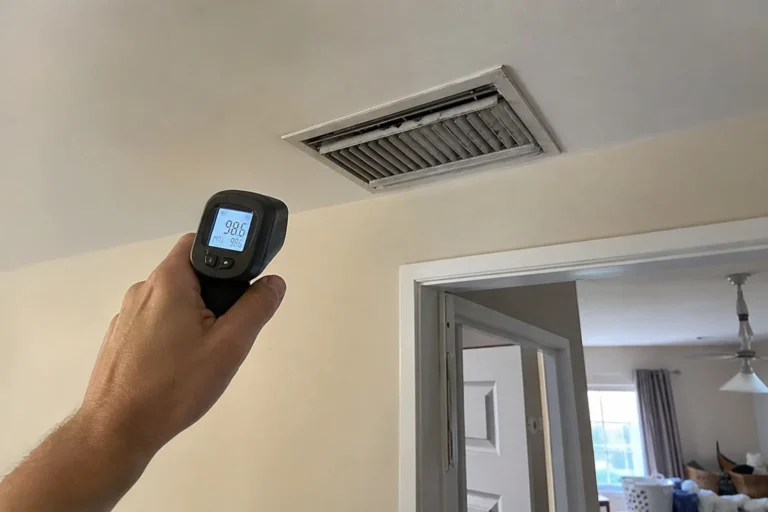
If your unit runs a lot but the building still feels chilly, the issue might be duct loss, zoning, or airflow balance. That is a different problem than no heat, but it still affects comfort and may point to airflow balancing needs.
A log can be one page on a clipboard or a shared note on a phone. Write down date, time, area affected, and what you observed. This helps catch intermittent issues without guesswork, and it supports faster commercial HVAC troubleshooting and diagnostics.
Here is a simple format you can copy
| What to note | Example |
|---|---|
| Time and day | Monday 7:15 AM |
| Area affected | Front offices |
| Symptom | Blowing cool air |
| Sound or smell | Loud click then shutdown |
| Thermostat setting | 72, room at 65 |
Pasadena, CA buildings have a mix of older systems and rooftop units that need the right approach. Pasadena has everything from older commercial buildings with retrofitted ductwork to newer spaces with packaged rooftop units. That mix can create unique service challenges, especially when equipment has been swapped over time, and our commercial HVAC system repair process is built for that reality.
In California, many commercial spaces also balance comfort with ventilation needs. If your outdoor air setup is out of position, heat can feel weak even when the burners are firing correctly, and commercial HVAC control and zoning setup can help align operation.
Frequent door swings and busy occupancy loads can hide or expose heating problems. If your heater is already struggling, a rush hour door cycle will make it obvious fast. If your staff keeps saying it is cold near the entrance, you may need airflow adjustments or zone balancing after the core repair, such as commercial duct balancing.
Property managers and business owners choose us because we keep repairs clear and coordinated. You need a contractor who respects your time, your tenants, and your space. We show up ready to diagnose, explain what we find, and complete repairs that restore reliable heat. We also know that access rules and communication matter just as much as tools, and we can coordinate follow ups through commercial HVAC system maintenance.
If you manage multiple locations, we can help you standardize what information to collect when a heat complaint comes in. That makes every future call smoother, and it pairs well with periodic HVAC tune up planning.
A lot of commercial HVAC pain comes from vague reports like unit is broken. We help narrow it down with practical questions. Which unit. Which zone. What is the symptom. That is how the right fix happens faster, and it supports accurate commercial HVAC system repair decisions.
Commercial heating repair in Pasadena starts with a call and a clear description of what you are seeing. Commercial heating repair in Pasadena is easier when we can match your symptoms to the most likely causes. Tell us what the unit is doing, which areas are affected, and whether the issue is constant or intermittent. Then we can arrive ready to troubleshoot your furnace or rooftop unit efficiently using commercial heating repair methods.
If your heat is out, acting fast helps protect comfort and daily operations. Call (626) 217-0559 to schedule service with Pioneers Heating & Air in Pasadena, CA, or use our Contact Us page.
Commercial heating repair involves diagnosing and fixing issues in heating systems used in businesses and larger facilities to restore safe, reliable operation.
A technician usually inspects the system, identifies the cause of the issue, discusses general repair options, and performs approved repairs to restore function.
Hot upstairs rooms can point to attic heat, air leaks, duct losses, or airflow trouble instead of an AC problem...
Uneven room temperatures, weak airflow, dust near vents, and long AC cycles can point to leaky attic ducts. Check the...
AC cleaning removes buildup from key cooling parts. Learn the signs that point to cleaning, routine maintenance, or a repair...