Why Upstairs Rooms Stay Hot With AC
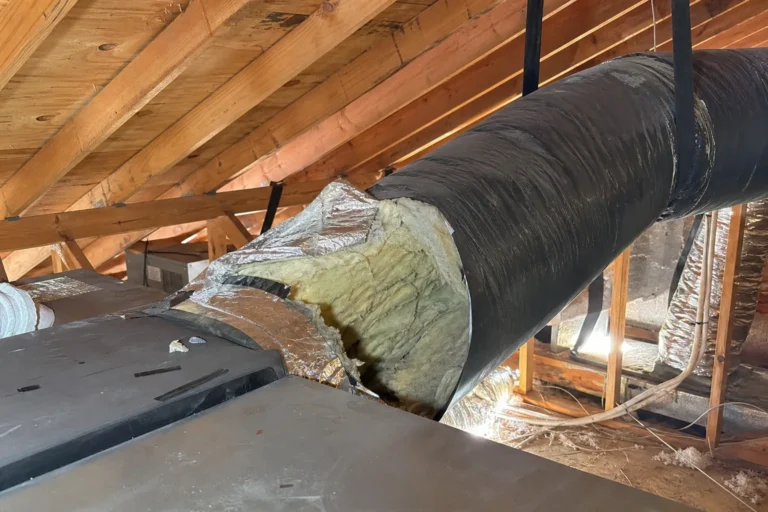
Hot upstairs rooms can point to attic heat, air leaks, duct losses, or airflow trouble instead of an AC problem...
Commercial Air Duct Repair In Pasadena by Pioneers Heating & Air fixes leaks and airflow fast. Improve indoor air quality and HVAC efficiency. Call today for service
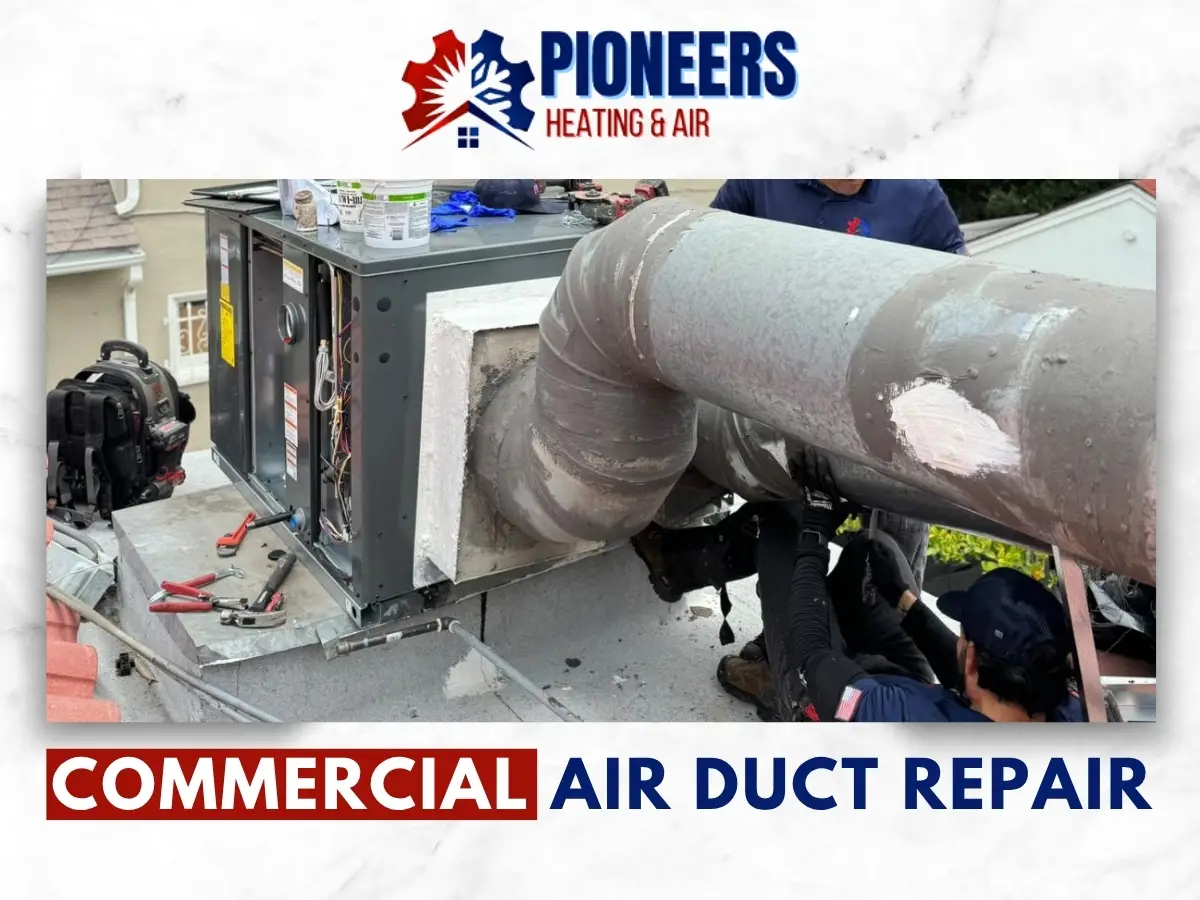
Commercial air duct repair fixes damaged, leaking, or poorly connected ductwork that is hurting comfort, air quality, and HVAC performance. Pioneers Heating & Air handles Commercial Air Duct Repair in Pasadena for offices, retail, and light industrial spaces, finding airflow problems fast and making clean, lasting repairs that fit your building and schedule in Pasadena, CA.
Need Help? Call Pioneers Heating & Air near you
Commercial air duct repair fixes airflow problems at the source, not at the thermostat. If your building never feels even, the duct system is often the reason. Ductwork is the delivery network for heated and cooled air. When that network leaks, collapses, or comes apart, your HVAC equipment can run longer while rooms still feel off.
Commercial buildings in Pasadena run different than a house. You may have multiple zones, rooftop units, VAV boxes, long duct runs, and busy occupied hours. That makes duct issues harder to spot, but the impact shows up fast in comfort complaints, dust, and uneven temperatures.
Pioneers Heating & Air focuses on locating the actual failure points and repairing them cleanly. We work around tenants, customers, staff, and business hours. If you have been adjusting the thermostat and still hearing the same complaints from the same rooms, a focused commercial air duct testing mindset helps us narrow down what is really happening.

Commercial Air Duct Repair in Pasadena helps reduce wasted air and improve room to room comfort. A duct leak can dump conditioned air into a plenum, ceiling cavity, or mechanical space instead of delivering it to occupied areas. It also can pull in dusty air from unconditioned spaces and spread it through the building.
We take a practical approach. We focus on the sections that create the biggest comfort and airflow loss first. Then we verify improvement with airflow checks and system readings where access allows, and we can align findings with commercial duct balancing needs when appropriate.
You may need duct repair if you see comfort complaints, dust, or odd noises. Most commercial duct problems announce themselves through daily annoyances, not dramatic breakdowns. If your staff keeps grabbing sweaters in July or fans in January, duct issues are worth checking and a targeted ductwork inspection can help confirm it.
If you manage a retail space, watch for customer comfort issues near the storefront. If you manage offices, watch for conference rooms that never feel right. Those spaces often sit at the end of long duct runs or near problem branches, and they may benefit from coordinated airflow balancing after repairs.
Duct damage often comes from vibration, poor sealing, or changes made over time. Commercial buildings change. Tenants remodel, walls move, and new equipment gets added. Ductwork does not always get updated the right way after those changes, so pairing repairs with commercial air duct maintenance can help prevent repeat issues.
Sometimes the duct is not broken, but it is installed in a way that causes chronic problems. A sharp bend right off the trunk line can starve a branch. A badly sized takeoff can whistle. A disconnected return can pull air from the wrong place. We pay attention to the root cause so the same room does not become the problem room again, and when needed we can recommend commercial air duct installation corrections in limited areas.
Leaky return ducts can pull in dust and odors from places you do not want. Supply leaks waste conditioned air. Return leaks can bring unwanted air into the system. That can be a bigger issue for indoor air quality, especially in buildings with ceiling plenums or shared utility spaces, so sealing is often paired with duct sealing best practices.
If the return is pulling from a ceiling cavity, it may pick up insulation fibers, construction dust, or general debris. Fixing return duct leaks and sealing access points helps keep air pathways more controlled, and some facilities also coordinate this work with air duct cleaning when dust has been circulating for a while.
Our duct repair visit starts with locating the problem, then confirming why it is happening. Guessing wastes time. We start by listening to what you are seeing day to day and then checking the system in a logical order. If you can tell us which rooms have the worst issues and when they happen, that helps us focus quickly, and it complements a broader commercial HVAC troubleshooting and diagnostics approach.
We also pay attention to the why. A duct joint that keeps coming apart may need better support, not just new sealant. A flex run that keeps getting crushed may need rerouting or protection. No one wants repeat ceiling openings, including us, and we can coordinate follow up planning through commercial HVAC inspection and tune-up scheduling when it fits your operations.
We use repair methods that match the duct type and access in your building. Commercial duct systems can include sheet metal, flex duct, duct board, or a mix. The best repair depends on what you have, where it is located, and what the system is doing, and we align repair scope with commercial air duct replacement only when repair is not the right answer.
We keep the work clean and controlled. If ceiling access is needed, we plan the best points to open and close, and we keep disruption low. For buildings that want a longer term plan, we can also talk about ongoing commercial HVAC system maintenance alignment.
Need Help? Call for Heating & Air Services
Sealing and reconnecting ducts restores airflow without changing your equipment. Many airflow complaints come from simple failures like loose collars or open seams. These are often very fixable once found, but they are easy to miss without a careful inspection, and targeted commercial air duct testing can help confirm improvement after the fix.
If the system is zoned, we also pay attention to dampers and control positions. A duct leak can look like a control issue and vice versa, which is why we keep an eye on related items like commercial HVAC control and zoning setup.
Replacing damaged duct sections is often the cleanest fix when material is compromised. Some duct materials do not patch well after they are crushed, wet, or torn. A damaged section can keep shedding particles, leaking air, or collapsing under pressure, and in those cases air duct replacement in a limited area can be the most reliable solution.
We match replacement material to the system needs and available space. Then we secure, seal, and support it correctly, and we can coordinate with air duct installation standards when routing or sizing needs to be corrected.
Supporting sagging ductwork stops repeat leaks and helps airflow stay steady. Ductwork that sags can create low spots where debris collects, and it can pull joints apart over time. It can also change airflow by creating unnecessary resistance, which can show up during HVAC inspection readings.
If you have ever popped a ceiling tile and found duct draped like laundry on a line, you already know why this matters. In some spaces, follow up air duct maintenance helps keep supports and seals from slipping again.
Duct repairs can also reduce noise that distracts staff and customers. Noisy ductwork is more than annoying. Whistling often indicates high velocity through a restriction or an air leak at a joint. Rattling can be vibration, loose metal, or a duct piece shifting when pressure changes, and we often pair noise fixes with HVAC tune-up observations when access allows.
Noise issues are often paired with comfort issues. Fixing the duct problem can calm both the sound and the temperature swings, and when airflow is uneven building wide, commercial duct balancing can be a helpful next step.
Work time depends on access, building layout, and how many areas are affected. Some repairs are quick once the issue is exposed. Others take longer because access is limited or because the duct run crosses multiple suites or ceiling types. If timing is critical, we can coordinate priorities with commercial emergency HVAC services style planning when business impact is high.
If you need work done with minimal downtime, tell us upfront. We can plan repairs by priority areas and coordinate access with your team, and if the issue ties back to equipment performance we can also look at commercial HVAC system repair implications.
Safety matters because commercial ducts can hide sharp edges, electrical, and fragile ceilings. Ceilings and mechanical spaces can be risky. Sheet metal edges are sharp. Ceiling grids can shift. Electrical lines and controls may run near ductwork. Some older spaces can have materials that require special handling when disturbed. For general background on duct systems, you can review duct HVAC.
If you see a duct disconnected and air blasting into a ceiling cavity, it is tempting to just patch it. That can create new issues, including pulling dirty air into return pathways. Call a pro and keep your ceiling tiles in one piece. If the system needs a broader look, we can start with commercial HVAC inspection and tune-up planning.
You can prepare for our arrival by sharing building info and clearing key access points. A little prep saves time. It also keeps disruption down for tenants and staff, and it helps us target the right areas for commercial air duct repair work.
If your building has plans showing duct routing, bring them out. If not, no problem. We can still trace and inspect what is accessible, and we can recommend follow up duct sealing or targeted corrections as needed.
After repairs, simple checks help you confirm the system is performing better. You do not need special tools to notice improvement. Your team’s daily experience matters. Comfort complaints usually drop when duct issues are corrected, and ongoing HVAC maintenance helps keep airflow stable.
It also helps to keep filters changed on schedule. A clogged filter can mimic duct problems by reducing airflow. If you want, we can point out filter condition and airflow clues we notice during service, and if the building needs it we can coordinate with commercial HVAC system maintenance planning.
Pioneers Heating & Air
A quick airflow checklist helps facilities teams catch issues early. These simple observations can help you spot duct trouble before it becomes a bigger disruption, and they pair well with periodic ductwork inspection visits.
If your staff has to fight the air at doors, that is your building telling you something. In many cases, repairs plus airflow balancing can help stabilize pressure and delivery.
Pasadena, CA buildings often have mixed use layouts that make duct routing tricky. Pasadena has a blend of older commercial spaces and newer remodels. Many buildings have additions, tenant buildouts, and ceiling changes that leave duct runs pieced together over time. That is normal. It just means duct problems can show up in unexpected places, and planning repairs in California often means working carefully around occupied hours and access limits with commercial air duct maintenance in mind.
If your space has been remodeled more than once, duct repair often turns into duct correction. That might mean reconnecting what was left loose, sealing what was left open, and supporting what was left hanging. Not glamorous, but it works, and in some cases it leads into selective commercial air duct installation updates where routing needs to be corrected.
This table shows common duct problems and what they usually cause. Use this as a quick reference when you are collecting notes for your service call, and consider pairing the notes with a commercial air duct testing visit when you want documented airflow and leakage clues.
| Duct issue | What you may notice | Typical fix approach |
|---|---|---|
| Disconnected supply duct | One room weak airflow, hot or cold spots | Reconnect, seal, add support |
| Leaky duct seam | Higher run time, dusty ceiling area | Seal seams, verify airflow |
| Crushed flex duct | Low airflow, noisy whoosh | Replace or reroute and support |
| Leaky return path | Dusty air, odors moving between rooms | Seal return duct, correct pathway |
| Poor transition or tight bend | Whistling, uneven delivery | Rebuild transition, reduce restriction |
Pioneers Heating & Air focuses on practical repairs that support daily business operations. Commercial HVAC work should respect your schedule, your tenants, and your space. We communicate clearly, show you what we found, and explain repair options in plain language. We also keep an eye on how duct repairs affect the larger system, since airflow changes can impact comfort and control, and we can coordinate with commercial HVAC system integration goals when controls and airflow need to work together.
Want us to focus on one problem zone first, then expand if needed. Just tell us how you want to prioritize, and we can also discuss whether follow up commercial HVAC system maintenance makes sense for your building.
Commercial air duct repair in Pasadena starts with a call and a clear plan for your building. If airflow issues are affecting comfort, indoor air quality, or day to day operations, it is time to address the duct system. Pioneers Heating & Air is ready to help with Commercial Air Duct Repair in Pasadena for offices, retail spaces, and multi tenant properties across Pasadena, California.
Call (626) 217-0559 or schedule through our Contact Us page.
Commercial air duct repair involves fixing leaks, damaged sections, loose connections, or airflow issues in a building’s ductwork to help the HVAC system distribute air more effectively.
Sometimes. Depending on the location and scope of the work, portions of the system may need to be turned off temporarily to safely access and repair the ductwork.
Hot upstairs rooms can point to attic heat, air leaks, duct losses, or airflow trouble instead of an AC problem...
Uneven room temperatures, weak airflow, dust near vents, and long AC cycles can point to leaky attic ducts. Check the...
AC cleaning removes buildup from key cooling parts. Learn the signs that point to cleaning, routine maintenance, or a repair...