Why Upstairs Rooms Stay Hot With AC
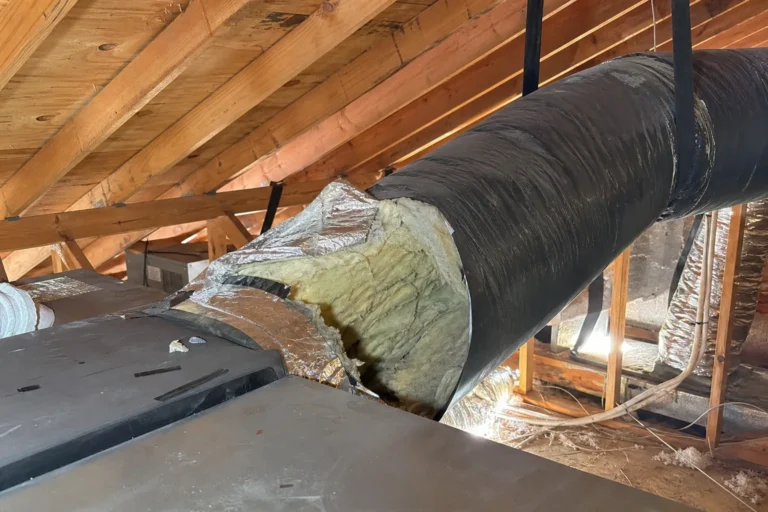
Hot upstairs rooms can point to attic heat, air leaks, duct losses, or airflow trouble instead of an AC problem...

Airflow balancing is the process of measuring and adjusting how air moves through your duct system so every room feels even and comfortable. Pioneers Heating & Air provides Airflow Balancing in Pasadena by testing supply and return airflow, correcting vent and damper settings, and tracking down restrictions that cause hot and cold rooms across Pasadena, CA.
Airflow balancing fixes uneven comfort by getting the right amount of air to each room. If one bedroom feels like an icebox while the living room feels stuffy, your system may be heating or cooling, but not distributing air evenly. Airflow balancing focuses on the delivery side of comfort, not just the equipment. The goal is steady, consistent airflow that matches the needs of each space.
Need Help? Call Pioneers Heating & Air near you
This service often helps when your HVAC system runs, but comfort still feels uneven. If you find yourself closing doors to force air somewhere else, that trick usually makes things worse by changing pressure and return airflow.
If the uneven comfort makes you suspect a bigger system issue, a focused HVAC troubleshooting and diagnostics visit can help confirm what is distribution and what is equipment.

Airflow problems show up as comfort issues you can feel every day. Most people notice airflow issues in simple, real life ways. You might walk from one room to another and feel a big temperature swing. Or you might notice that one room never seems to catch up unless you set the thermostat lower or higher than you want.
If you are in a two story home, does the upstairs feel like a different zip code in summer. That is a classic airflow balance situation, especially around stairwells and rooms with lots of sun. When ductwork concerns are part of the symptoms, a ductwork inspection can be a helpful next step.
Most airflow issues start with restrictions, pressure problems, or duct layout limits. Air has to travel through filters, equipment, ducts, dampers, and grilles before it ever reaches the room. A problem at any point can throw off the balance. Some causes are simple. Others take testing to confirm.
Closing a bunch of vents rarely fixes anything long term. It can raise static pressure, increase noise, and reduce total airflow through the system. If leakage is suspected, duct sealing is often part of the conversation after testing.
Airflow balancing is different from a tune up because we measure room by room performance. A basic maintenance visit can help equipment run cleaner and safer. Balancing is about distribution and comfort, and it requires measurements and adjustments. We treat it like a diagnostic project with clear steps and repeatable readings.
If you want the system cleaned and checked as part of ongoing care, consider scheduling HVAC maintenance or a seasonal HVAC tune up alongside comfort work.
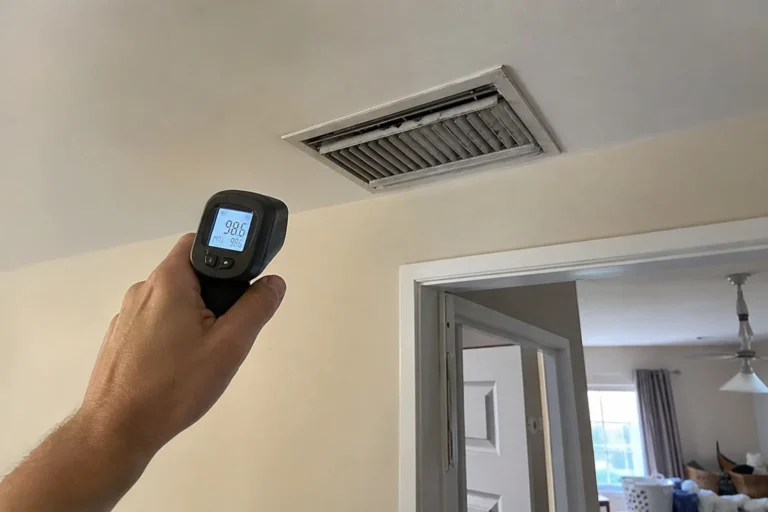
Airflow measurements tell the truth when comfort complaints get confusing. Feelings matter, but measurements keep everyone on the same page. Two rooms can feel different for several reasons, including airflow, insulation, sun exposure, and door use. Testing helps separate the airflow part from everything else.
Here is a simple view of what we often evaluate.
| What we check | What it can tell us | What we may do next |
|---|---|---|
| Supply airflow at each vent | Which rooms are underfed or overfed | Adjust dampers, registers, or duct paths |
| Return airflow and return placement | Whether air can get back to the system | Improve return path, reduce restrictions |
| Static pressure | Whether the system is pushing against a wall | Look for tight filters, undersized ducts, blocked grilles |
| Duct condition | Kinks, disconnections, leaks, crushed runs | Repair or reposition duct sections |
Numbers do not replace experience, but they help us confirm where the real bottleneck is. When the testing points to damaged runs, air duct repair may be the right next move.
Need Help? Call for Heating & Air Services
Your duct system needs both supply and return air, or balancing will not stick. Supply vents deliver conditioned air. Returns pull air back to the equipment to be filtered and conditioned again. If a room has strong supply but weak return, that room can become pressurized. If it has weak supply and no return path, it can feel stale and never reach setpoint.
When the system runs, do you feel air rushing under a bedroom door. That can be a clue the room is struggling to get air back to the return. If duct cleanliness is part of the issue, air duct cleaning may help after the airflow testing confirms where the restriction is.
Damper and register adjustments work best when they follow a plan, not guesswork. Many duct systems include manual dampers in the ductwork. They are meant to fine tune airflow. Registers at the room can also help trim airflow. The key is to adjust in small steps and re measure.
If you have tried to fix a room by closing other vents, you are not alone. It is a common move. It is also like squeezing a garden hose and hoping the backyard sprinkler improves. Sometimes it does. Often it just makes noise. If controls need to be refined, HVAC zoning setup can be a longer term solution in the right layout.
Airflow balancing can improve efficiency by reducing run time and reducing over conditioning. When airflow is uneven, people usually compensate at the thermostat. That often drives longer cycles and more temperature overshoot. Balanced airflow helps rooms reach comfort without pushing the entire home too hard.
This is also a comfort win for homes with home offices, nurseries, or back bedrooms that are occupied more often than the rest of the house. If your system still struggles to keep up, it may be time to discuss HVAC repair or a full HVAC inspection to rule out equipment limits.
A typical visit includes testing, targeted adjustments, and clear next steps. We start by listening, because the way you use your home matters. Do doors stay closed. Do you run ceiling fans. Which rooms bother you most, and at what time of day. Those details guide where we measure first.
During an airflow balancing appointment, Pioneers Heating & Air typically works through.
You will get plain language about what changed and what still limits comfort. If a room needs more than adjustment can provide, we will explain why. If we find duct sections that need work, air duct installation or air duct replacement may be recommended depending on condition.
This service often helps when your HVAC system runs, but comfort still feels uneven. If you find yourself closing doors to force air somewhere else, that trick usually makes things worse by changing pressure and return airflow.
If the uneven comfort makes you suspect a bigger system issue, a focused HVAC troubleshooting and diagnostics visit can help confirm what is distribution and what is equipment.
Timing depends on the home layout, duct access, and how many problem rooms you have. Many balancing projects can be completed in a single visit. Some take longer, especially when duct access is limited or when multiple floors are involved. Homes with tight attic access or complicated duct routing can also add time.
If your comfort problem only happens at night when doors are shut, tell us. That detail can save a lot of back and forth. If you are also upgrading insulation, attic air sealing can support airflow comfort by reducing uneven loads.
Pioneers Heating & Air
Safety matters because airflow problems can involve electrical parts, tight spaces, and fragile ducts. Some steps are safe for a homeowner. Others should be left to a pro, especially in attics and near equipment. Flex duct tears easily, and stepping wrong in an attic can damage ceilings. Electrical compartments should stay closed unless you know exactly what you are doing.
If you suspect a mechanical issue while doing these checks, HVAC repair or emergency HVAC services may be the safest path depending on what you observe.
Simple prep before we arrive helps us get better results faster. You do not need to prep the house like a home show. A few small steps help us test accurately and access key areas.
Do you have rooms you never use. Tell us that too. Balancing should match how you live, not how a floor plan looks on paper. If indoor air concerns come up during testing, whole home air purifier installation can be discussed separately from airflow delivery.
After balancing, small habits help keep airflow steady through the seasons. Once airflow is closer to even, daily choices can keep it that way. Many comfort issues return because vents get blocked again, filters get ignored, or doors change airflow patterns.
If you notice a problem creeping back, write down what changed. Did you add a large rug over a floor return. Did a room become a storage area with boxes in front of a grille. The house usually tells you what happened. For ongoing system support, HVAC maintenance can help keep airflow restrictions from building up again.
Pasadena conditions can make certain rooms harder to keep comfortable without balancing. Pasadena weather patterns, sun exposure, and home styles can create real airflow challenges. Many homes have additions, converted spaces, or older duct layouts that were not built for modern comfort expectations. In California heat, rooms with strong afternoon sun can feel like they are always playing catch up.
If you have a bonus room, converted garage, or enclosed patio, ask yourself a simple question. Does it feel like the system remembers that room exists. If not, airflow testing is a smart next step. When additions change the load, HVAC installation planning and HVAC replacement decisions can also benefit from knowing how the air is distributed today.
Homeowners call Pioneers Heating & Air because we focus on measured fixes and clear communication. You should not have to guess what changed after a service visit. We explain what we measured, what we adjusted, and what limits remain. We also keep comfort goals realistic based on your duct layout and home design.
Airflow can be stubborn, but it is not magic. It is pressure, pathways, and restrictions. Once you see where the air is going, you can start sending it where you want. If control settings are part of the issue, thermostat programming can support more consistent comfort after balancing.
Airflow balancing is the right next step if your system runs but comfort still feels uneven. If your equipment turns on and air comes out, but the home still feels wrong, balancing is often the missing piece. It is also a smart move after duct changes, renovations, or repeated hot and cold room complaints.
Pioneers Heating & Air provides Airflow Balancing In Pasadena with a process built around testing, adjustments, and practical next steps. If you are ready to stop playing thermostat games, call (626) 217-0559 or visit our homepage to schedule Airflow Balancing in Pasadena, California.
To set up an airflow balancing visit in Pasadena CA, call (626) 217-0559 or use the form on our Contact Us page.
Hot upstairs rooms can point to attic heat, air leaks, duct losses, or airflow trouble instead of an AC problem...
Uneven room temperatures, weak airflow, dust near vents, and long AC cycles can point to leaky attic ducts. Check the...
AC cleaning removes buildup from key cooling parts. Learn the signs that point to cleaning, routine maintenance, or a repair...