Why Upstairs Rooms Stay Hot With AC
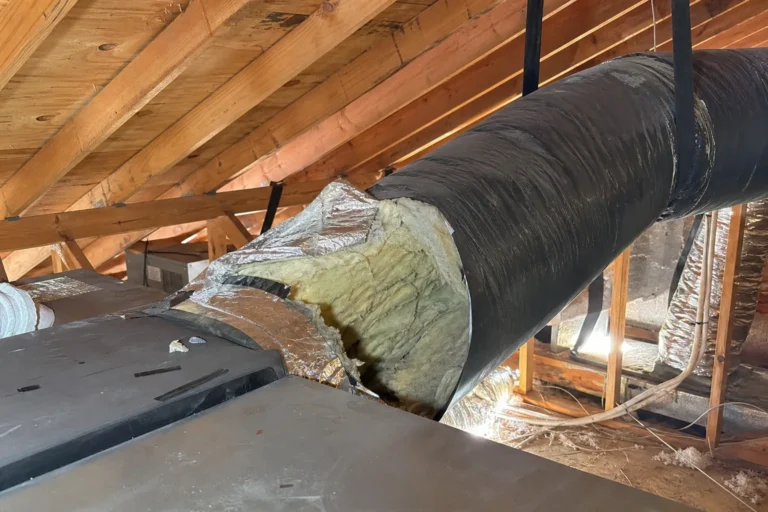
Hot upstairs rooms can point to attic heat, air leaks, duct losses, or airflow trouble instead of an AC problem...
Commercial Attic Insulation Replacement In Pasadena by Pioneers Heating & Air helps lower energy costs and improve comfort with fast quotes and expert installs
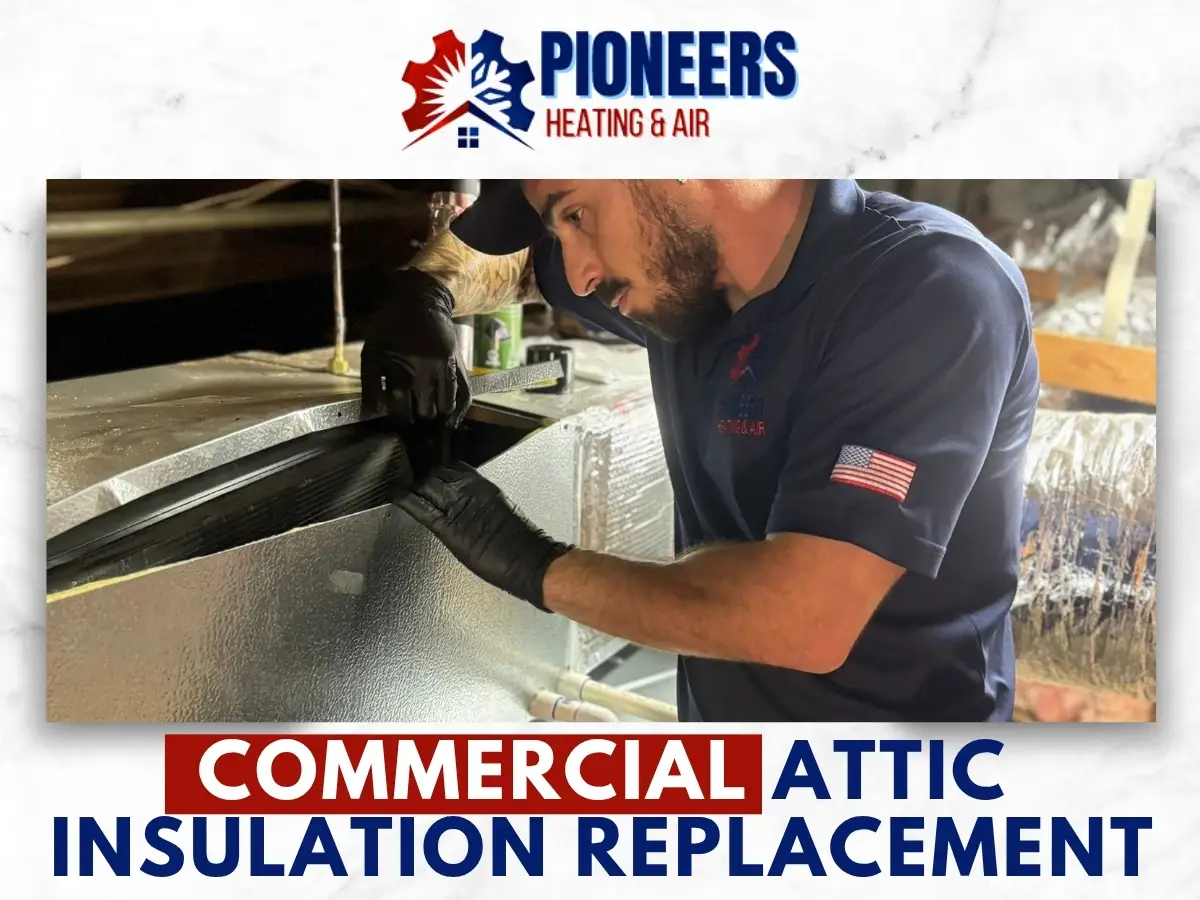
Commercial attic insulation replacement removes old, damaged insulation and installs new material that better controls heat flow through your roofline. Pioneers Heating & Air handles Commercial Attic Insulation Replacement in Pasadena by inspecting your attic, spotting air leaks and moisture risks, removing unsafe material, and installing insulation that supports steadier indoor temps for your Pasadena, CA building.
Commercial attic insulation replacement improves comfort and cuts wasted HVAC run time. Commercial attic insulation replacement focuses on the barrier between your conditioned space and the roof. When that barrier is thin, dirty, or uneven, your HVAC system works harder to keep offices, shops, and tenant spaces comfortable.
In many commercial buildings, the attic is out of sight, so problems build up quietly. Then you notice hot top floors, cold mornings, and uneven temperatures that make the thermostat a daily argument.
If your goal is fewer comfort complaints and a more stable building, insulation replacement is often a practical step. It supports your HVAC equipment by reducing the load it fights all day.
Need Help? Call Pioneers Heating & Air near you
You may need replacement when the building never feels even from room to room. Insulation rarely fails all at once. It usually loses performance in pockets, especially around access hatches, duct runs, and older wiring paths.
Do you have one area that always feels off, even after thermostat adjustments? That is often a building envelope clue, not just an HVAC setting issue. If needed, we can pair insulation findings with HVAC troubleshooting and diagnostics to separate envelope issues from equipment issues.

Old insulation fails because air leaks, moisture, and compression reduce its real world value. Insulation performance on paper is not the same as performance after years of foot traffic, heat, and dust. Commercial attics are busy spaces, with service paths and equipment that compress insulation over time.
If a roof leak happened years ago and dried out, the insulation under it may still be compromised. A review during HVAC inspection can also help connect attic conditions to comfort symptoms.
Our visit starts with attic access, a full look around, and straight answers about what matters most. We begin by learning how the building is used. A retail space, medical office, and light industrial site can have very different comfort patterns and operating hours.
We will also talk through what you are noticing inside. Are complaints tied to afternoons, mornings, or specific zones? Does the issue track with sun exposure? Those clues help us focus on the right fixes and may include a plan for airflow balancing when comfort varies by zone.
Commercial Attic Insulation Replacement removes the problem material and rebuilds the thermal barrier correctly. Replacement is not just add more fluff. The best results come from removing what is failing, correcting the causes, and installing new insulation with even coverage.
Want the most noticeable comfort change? Air leaks and coverage gaps are usually the first places to focus and they often work best when paired with commercial duct balancing when airflow is uneven.
Need Help? Call for Heating & Air Services
We match insulation materials to attic conditions, access limits, and how your building operates. Commercial attics in Pasadena can range from wide open to tight and crowded with ductwork. The right material depends on layout, mechanical equipment, and how often the attic needs service access.
We will also talk through practical details like keeping clearances around heat producing fixtures and maintaining safe access lanes for future HVAC work. If you plan upgrades soon, we can coordinate timing with commercial HVAC system maintenance or a broader commercial HVAC inspection and tune up.
Air sealing is often the difference between better and finally comfortable. Air sealing targets the hidden paths where conditioned air escapes into the attic. That air carries heat and moisture with it, which can create comfort problems and add strain to your HVAC system.
If you have strong temperature swings between interior rooms and hallways, ceiling leaks may be part of the story. We often recommend combining insulation work with attic air sealing principles for a tighter building envelope.
Ductwork checks help insulation changes translate into real HVAC performance. During insulation work, we often note issues that can be addressed through commercial air duct maintenance or repair planning.
The timeline depends on attic size, removal needs, and how easy it is to move around up there. Most commercial insulation replacement work is planned to reduce disruption. Still, the actual time on site can vary because attics are full of surprises.
If your building has multiple tenants, we can discuss access timing and communication so everyone knows what to expect. If the project ties into equipment concerns, we can align it with commercial HVAC system repair planning where appropriate.
Safety matters because commercial attics can hide wiring issues, weak surfaces, and poor air quality. Attics are not friendly workspaces. Between low visibility, tight truss paths, and hidden drop ceilings, it is easy for someone to step where they should not.
If your maintenance team uses the attic for storage, consider relocating items. Compressed insulation loses performance, and storage makes future HVAC service harder. For broader building comfort checks, a scheduled commercial HVAC troubleshooting and diagnostics visit can help prioritize fixes.
You can prep the site by clearing access, sharing problem areas, and setting a simple contact plan. Preparation helps the job move faster and keeps building operations smoother.
Do you want us to coordinate with your facility manager, property manager, or onsite lead? A single point of contact keeps things simple and helps coordinate follow up items like commercial HVAC system maintenance.
After replacement, you should watch comfort patterns, humidity clues, and HVAC cycling changes. Insulation replacement is a building envelope improvement, so changes show up in daily operation. You should notice steadier temps and fewer swings near the ceiling line.
If your building has a building automation system, trend data can be helpful. Runtime changes and temperature stability often tell the story better than a single utility bill snapshot and can be reviewed alongside HVAC maintenance planning.
Pioneers Heating & Air
A quick comparison helps teams understand what changed. Here is a simple way to explain the difference between adding insulation and full replacement to stakeholders.
| Item | Add insulation over old material | Replace old insulation |
|---|---|---|
| Wet or contaminated areas | Often stays trapped | Removed so problems do not linger |
| Air leaks at penetrations | Commonly missed | Commonly addressed during prep |
| Coverage consistency | Can still be uneven | Built back to a consistent layer |
| Odors and debris | Can remain | More likely to be corrected |
Pasadena conditions make attic heat control a practical priority for many commercial spaces. Pasadena, CA sees long warm seasons where attic temperatures can climb fast, especially under darker roofing and low ventilation. That heat pushes down into top floors and makes cooling equipment work harder.
If your top floor tenants keep adjusting thermostats all day, the attic may be the quiet culprit. For background on heat transfer concepts, see thermal insulation.
Pioneers Heating & Air approaches insulation work like an HVAC contractor, not a general cleanup crew. We focus on how insulation affects airflow, load, and comfort because that is what drives HVAC performance. Our job is to connect the attic conditions to what you feel inside the building, then fix the cause with clear steps.
And yes, we have seen attics with stranger storage solutions than we can count. If there is a random chair up there, you are not alone.
Commercial Attic Insulation Replacement in Pasadena starts with a site visit and a clear plan for your building. If your building struggles with uneven temps, high heat gain, or steady tenant complaints, it is time to take a serious look above the ceiling. Commercial Attic Insulation Replacement in Pasadena can reduce heat transfer, support steadier comfort, and help your HVAC system run the way it should.
When insulation improvements are part of a bigger comfort plan, we can also talk through commercial HVAC control and zoning setup and thermostat programming so the building operates more consistently across zones in CA.
Pioneers Heating & Air is ready to help with Commercial Attic Insulation Replacement in Pasadena and related attic airflow and duct concerns. Call (626) 217-0559 or use our Contact Us page to schedule a visit.
Hot upstairs rooms can point to attic heat, air leaks, duct losses, or airflow trouble instead of an AC problem...
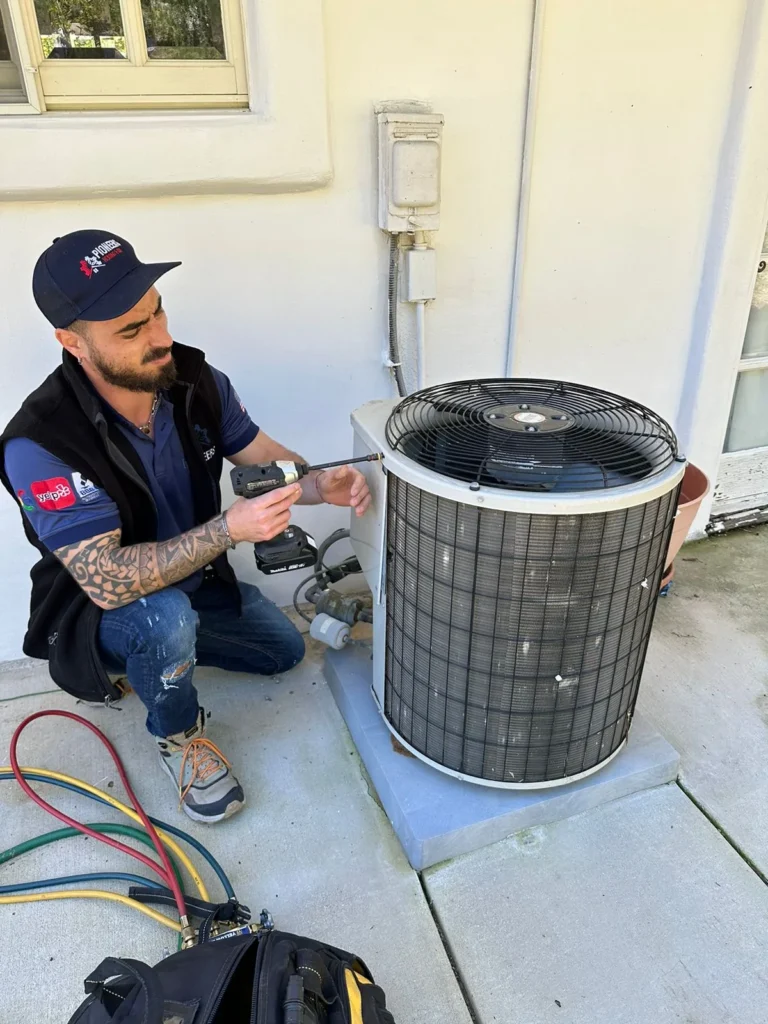
Uneven room temperatures, weak airflow, dust near vents, and long AC cycles can point to leaky attic ducts. Check the...
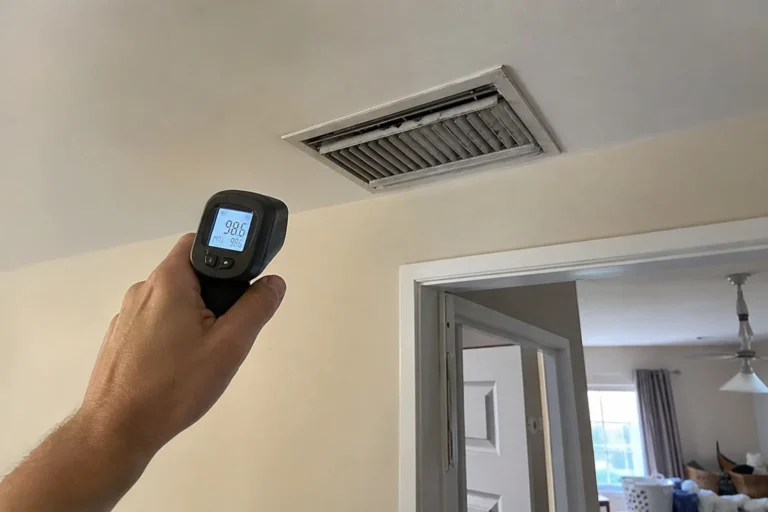
AC cleaning removes buildup from key cooling parts. Learn the signs that point to cleaning, routine maintenance, or a repair...