Why Upstairs Rooms Stay Hot With AC
Hot upstairs rooms can point to attic heat, air leaks, duct losses, or airflow trouble instead of an AC problem...
Radiant Barrier Installation In Pasadena from Pioneers Heating & Air boosts comfort and cuts cooling costs. Fast scheduling and clear pricing. Book now today

Radiant Barrier Installation in Pasadena helps block attic heat so your home stays more comfortable, especially during hot Pasadena, CA afternoons. Pioneers Heating & Air installs and upgrades radiant barriers with careful prep, clean workmanship, and clear next steps. If your AC runs too long or rooms feel uneven, radiant barrier installation in Pasadena can make a real difference.
Need Help? Call Pioneers Heating & Air near you
Radiant barrier installation works by reflecting heat away before it enters your living space. A radiant barrier is a reflective material installed in your attic to reduce radiant heat transfer from the roof into the attic. Less attic heat usually means your ductwork and ceiling surfaces stay cooler. That can reduce how hard your air conditioner has to work during warm months and may support better results from AC maintenance.
Radiant Barrier Installation is not the same thing as adding attic insulation. Insulation slows heat flow through materials. A radiant barrier reflects heat energy, mostly from the roof. Many Pasadena homes benefit from both and pairing radiant barriers with attic insulation replacement can help address different comfort problems.
If you have ever walked into your attic on a sunny day and felt like you opened an oven, you already understand the issue. Your HVAC system feels it too, and a quick HVAC inspection can help confirm what is driving the discomfort.

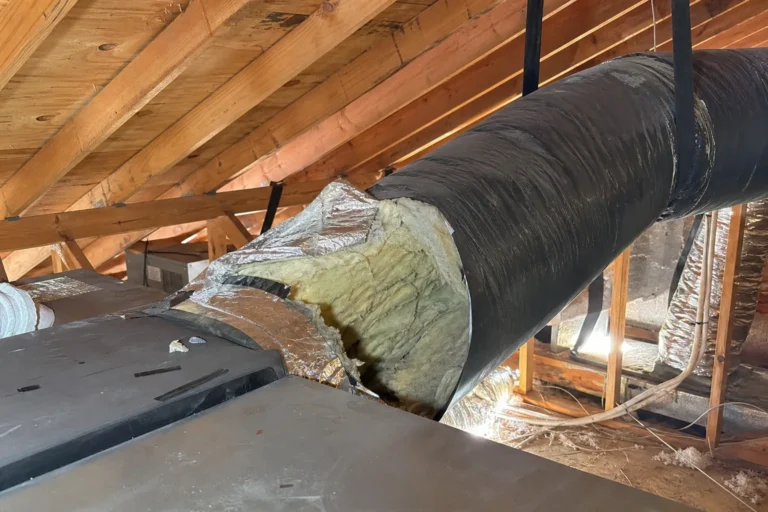
Radiant barriers help most when your attic is hot and your cooling system runs often. If you cool your home a lot during summer, the attic becomes a big heat source above you. A radiant barrier can reduce that heat load. Homes with ducts in the attic often notice the biggest comfort improvement, since cooler attic air helps the ducts lose less cooling and can complement duct sealing.
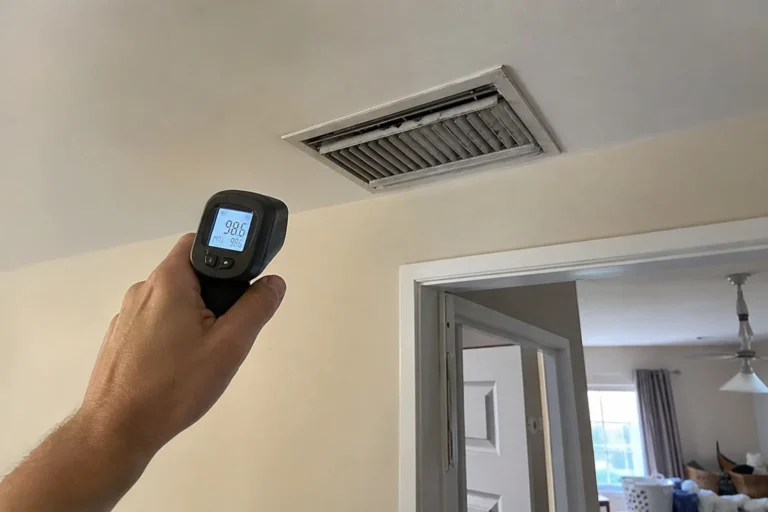
You may be a good fit for a radiant barrier if your upstairs rooms feel hotter than the rest of the home. Some comfort problems come from airflow or insulation issues, but attic heat can be a major factor in California homes. A radiant barrier is worth considering when your home shows a pattern that points to roof driven heat gain and when you are also evaluating airflow balancing.
Do you find that the home feels fine at night, but uncomfortable around 2 to 6 pm? That timing often points straight at roof and attic heat and it can be useful to review thermostat settings with thermostat programming.
A hot attic can also affect indoor air quality and equipment wear. When an HVAC system runs longer, filters load faster and indoor humidity control can get harder. Longer run times can also add wear to motors and electrical components. A radiant barrier does not fix every HVAC issue, but it can take pressure off the system and may reduce calls for AC repair.
Attic heat builds up because the roof absorbs sun and reradiates that heat downward. Your roof gets hit with intense sun for hours. Roofing materials warm up and transfer heat into the attic by radiation, conduction, and convection. Even with roof vents, the attic can still trap a lot of heat, which is why attic ventilation upgrades can matter.
If your home has classic Pasadena character and older construction details, small ceiling bypasses can add up. Warm air moves through gaps the way dust finds white furniture and targeting leaks with attic air sealing can help.
Ventilation and radiant barriers often work together, not against each other. A radiant barrier reduces heat gain, while ventilation helps remove heat that still enters. If vents are blocked or airflow is weak, the attic can stay hotter than it should. We look at the whole attic system so your improvements work as a team and can coordinate with ventilation upgrades.
Our radiant barrier installation visit starts with a real attic evaluation, not guesses. We begin by learning how your home behaves during hot weather and how your HVAC system is set up. Then we inspect the attic for access, safety, duct layout, existing insulation condition, and ventilation paths and we can recommend related work like ductwork inspection when it supports better results.
You will get clear recommendations and the reasoning behind them. If a radiant barrier is not the best next step, we will tell you that too and we may suggest options such as HVAC troubleshooting and diagnostics.
We also watch for attic issues that should be handled before installation. Radiant barrier material should not cover problem areas that need repair. If we see moisture staining, bath fan ducting that ends in the attic, or damaged insulation from past roof leaks, we will point it out. Fixing those items first helps your attic stay healthier long term and may involve attic insulation removal when insulation has been compromised.
Need Help? Call for Heating & Air Services
We install radiant barriers using methods that fit your attic layout and goals. Not every attic is built the same. Some have easy access and open rafter bays. Others are tight, low slope, or packed with ducts. We match the approach to the space so the barrier performs properly and the attic remains serviceable, and we can also discuss commercial radiant barrier installation for non residential spaces.
Most homeowners in Pasadena choose an underside roof deck install when attic access and structure allow it. That placement targets the heat before it radiates down into the attic and it often supports more consistent performance from AC installation and existing cooling systems.
We keep attic airflow paths open so the barrier does not cause new problems. A radiant barrier should not block soffit vents, ridge vents, gable vents, or other ventilation routes. Poor placement can reduce airflow and trap heat or moisture. We install with ventilation in mind and leave serviceable access to key attic areas and we may recommend attic ventilation upgrades if the attic cannot move air well.
We plan around ductwork, recessed lights, and attic storage. Attics in CA often have a mix of HVAC ducts, electrical runs, and stored items. We do not bury junctions or block access panels. If storage platforms exist, we work around them and explain any limits the space creates, and we can address duct layout concerns with air duct repair when needed.
Radiant barriers can pair well with duct sealing and attic insulation for better comfort. Many comfort complaints have more than one cause. Radiant barrier installation can help, and it often works best when the rest of the attic system is not fighting it. This can include attic air sealing and right sized insulation work.
If your ducts are leaky, a radiant barrier still helps, but you may be paying to cool the attic. That is not a hobby anyone needs and it is a good reason to include air duct maintenance in your plan.
Here is a simple way to think about common attic upgrades. If you want a system level view, we can include an HVAC inspection to connect attic conditions with performance.
| If your main problem is | A radiant barrier helps by | Another step that may also matter |
|---|---|---|
| Hot upstairs afternoons | Reflecting roof heat away | Insulation leveling and venting checks |
| AC runs too long | Reducing attic heat load | Duct sealing and airflow balancing |
| Uneven room temps | Lowering heat gain above rooms | Supply and return airflow corrections |
| Warm air from ceiling fixtures | Reducing attic heat near ceiling | Air sealing ceiling gaps |
We can walk through what applies to your house, not a generic checklist and we can point you to practical fixes like airflow balancing when that is the real limiter.
Most radiant barrier installs take a single visit, but attic conditions can slow progress. The time needed depends on attic size, access, roof framing complexity, and how much ductwork is in the way. A clear, open attic moves faster than a tight space with multiple platforms and low clearance and if duct issues are found, air duct replacement may be recommended first.
We will set expectations before work begins and keep you updated if we find conditions that change the plan. If you need urgent help with comfort or equipment problems, ask about emergency HVAC services.
Weather and attic temperature affect pace and safety. Attics can get very hot, even when it feels mild outside. In Pasadena, summer attic temps can rise fast by late morning. We plan work timing for safety and to keep installation quality consistent and we can coordinate with HVAC maintenance to reduce peak season strain.
Safety matters because attics have heat stress risks and hidden hazards. Radiant barrier installation is not a casual weekend project for most homeowners. Attics can have exposed nails, low clearance, and unstable walking surfaces. Electrical wiring and recessed lights add another set of risks and if you suspect system issues, start with HVAC troubleshooting and diagnostics.
Radiant barrier material must be installed with clearances in mind. Certain light fixtures, flues, and heat sources need proper clearance. The barrier should not be placed where it can trap heat around components that need airflow. We follow safe spacing practices and keep access to service points and we can suggest HVAC inspection steps when attic conditions raise concerns.
You can prepare for your appointment by clearing access and sharing comfort details. A little prep helps the visit go smoothly. It also helps us aim the work at the comfort issues you actually feel day to day and may inform whether thermostat installation or adjustments should be part of the plan.
If you can, note your thermostat schedule and whether you use ceiling fans. Small habits can change how a home feels, and we want the full picture and can help fine tune settings with thermostat programming.
A few photos can help, but they are optional. If you have attic photos from past work, feel free to share them. Pictures of duct layout or insulation depth can speed up planning. If you do not have them, no problem and we can still evaluate what matters during an HVAC inspection style visit.
After installation, you should watch for smoother cooling and more stable room temperatures. Most homeowners judge results by comfort, not by gadgets. The goal is fewer hot spots and less temperature swing between rooms and if the system still strains, we can review AC repair needs.
If your system is still struggling to cool certain rooms, the next step may be duct balancing, sealing, or insulation improvements. We can help you prioritize what matters and coordinate follow up like airflow balancing.
Your attic should still be serviceable after the work. You should be able to access junction boxes, HVAC equipment, and service platforms. If you ever notice something looks blocked or hard to reach, let us know so we can correct it and we can also inspect connected duct runs with air duct repair support when needed.
Pasadena homes face strong sun, varied construction styles, and attic ductwork that often needs protection from heat. Pasadena, California has plenty of sunny days, and roof exposure can be intense. Many homes also have HVAC ducts routed through the attic, which puts cooled air in the hottest part of the house structure and makes improvements like duct sealing and radiant barriers especially relevant.
If your home has a finished second floor or converted attic areas nearby, heat patterns can be tricky. We take time to understand the layout so the radiant barrier work supports your full HVAC system and aligns with the right HVAC maintenance strategy.
Microclimates and shade patterns can change what you feel indoors. Even within Pasadena, shade from trees, nearby structures, and roof orientation changes attic heat gain. That is why we ask about timing and which rooms are affected. Your hottest room often tells the story and it can guide whether airflow balancing should be evaluated alongside attic work.
Homeowners choose Pioneers Heating & Air because we treat attic improvements like part of the HVAC system. Radiant barriers touch comfort, run time, and how well your ducts deliver conditioned air. As an HVAC contractor, we look at the attic with a system mindset. That keeps fixes practical and results focused on how your home feels and can connect to services like HVAC tune-up.
We also know people have busy schedules. We keep scheduling straightforward and show up ready to work and if you are planning bigger changes, we can also discuss HVAC installation planning.
You will get direct answers, not confusing attic talk. You should never feel lost in technical terms. If you want the simple version, we will give it. If you want the detailed version, we can do that too and we can point to the right next step such as AC replacement if aging equipment is part of the issue.
Radiant barrier installation in Pasadena is easy to schedule with Pioneers Heating & Air. If you are tired of hot upstairs rooms and an AC that seems to run forever, it is time to look up, literally. Radiant barrier installation in Pasadena can reduce attic heat and improve comfort where it matters most and can support a better overall plan with AC maintenance.
Call (626) 217-0559 or schedule through our Contact Us page to talk through the best option for your home in Pasadena, CA.
Hot upstairs rooms can point to attic heat, air leaks, duct losses, or airflow trouble instead of an AC problem...
Uneven room temperatures, weak airflow, dust near vents, and long AC cycles can point to leaky attic ducts. Check the...
AC cleaning removes buildup from key cooling parts. Learn the signs that point to cleaning, routine maintenance, or a repair...