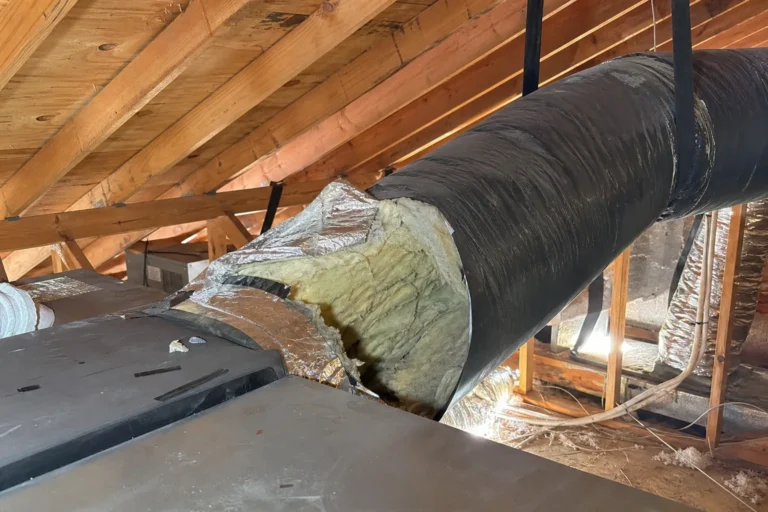
Could Leaky Attic Ducts Be Wasting Your Cooling
Uneven room temperatures, weak airflow, dust near vents, and long AC cycles can point to leaky attic ducts. Check the...
Need Heating Repair In Pasadena? Pioneers Heating and Air provides fast furnace fixes, upfront pricing, and trusted local techs. Schedule service today
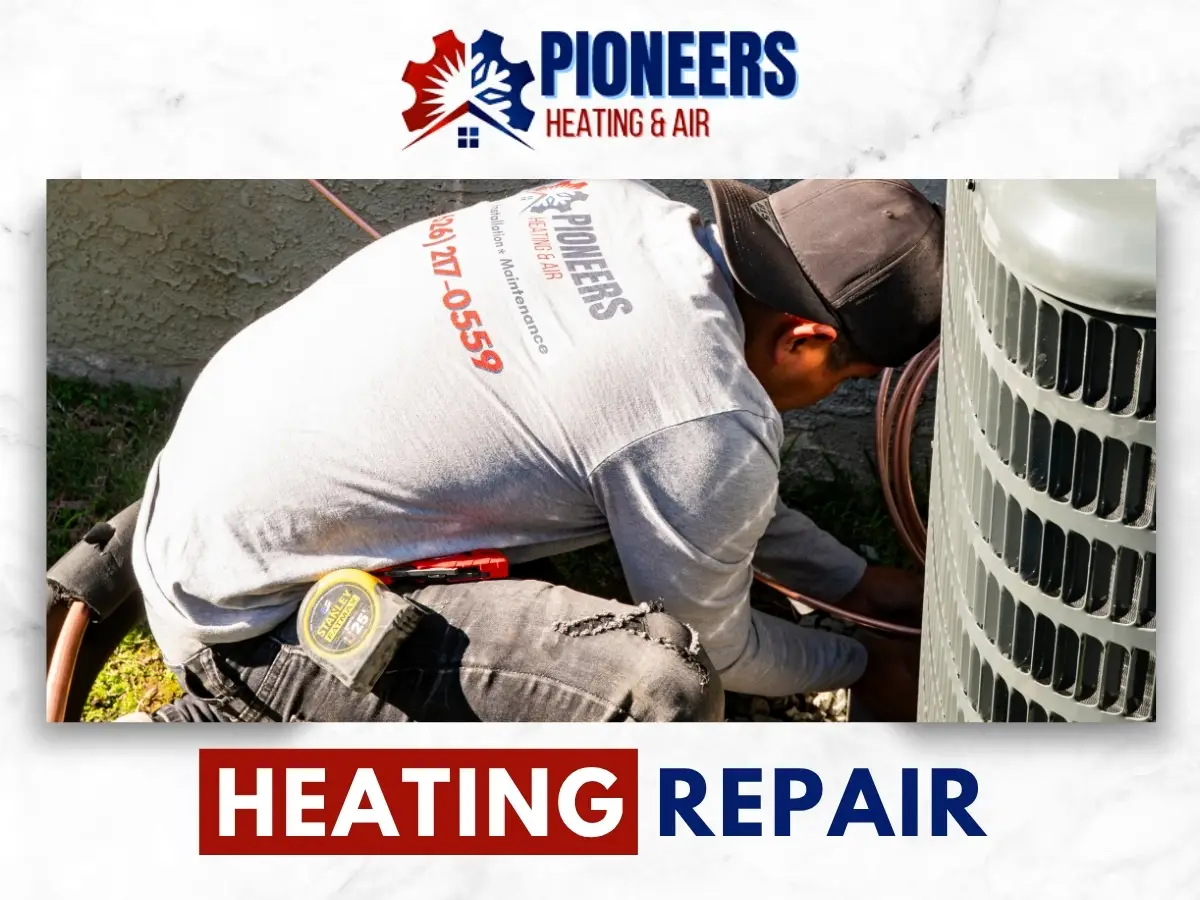
Heating repair restores safe, steady warmth when your furnace or heater stops working right, and Pioneers Heating & Air helps Pasadena homeowners get comfortable again. For Heating Repair in Pasadena, we track down the real cause, explain your options, and complete the fix with care. If your system is acting up, heating troubleshooting and diagnostics starts with a thorough check, not a guess.
Need Help? Call Pioneers Heating & Air near you
Heating Repair is more than swapping a part and hoping for the best. A good repair starts with confirming what failed, why it failed, and what else may be stressed. That is how you avoid repeat breakdowns and surprise shutdowns on the next cold night.

Pioneers Heating & Air handles repair work on common home heating systems in Pasadena, CA, including the setups below.
If you can tell us the brand and whether it uses gas or electricity, that helps. If not, we can identify it on site during your heating services visit.
Heating problems usually give hints before a full shutdown. Paying attention early can prevent a small issue from turning into a bigger one. Are you hearing your system struggle, or are you just not getting the heat you used to.
If something feels wrong, it usually is. Your heater should sound steady and feel boring.
Most breakdowns come from a handful of root causes. Some are wear and tear. Some are maintenance related. Some are a chain reaction where one small issue pushes another part past its limit.
A clogged filter can mimic several major problems. It can also damage equipment if ignored long enough. If you cannot remember the last time it was changed, that is a clue.
A proper service call should feel organized and calm. We start by listening to what you noticed, then we test the system step by step. If you like knowing what we are doing, ask. We are happy to explain in plain language as part of our HVAC inspection approach.
If you have pets, kids, or a busy household, we keep our work area controlled. A furnace room is not the place for surprise audience participation.
Heating systems are not all the same, even in the same neighborhood. A repair that fits one home may not fit another. We match the work to the actual problem, then confirm the system runs safely and consistently as part of our broader heating services.
We also point out any next likely concerns we see. That is not a scare tactic. It is just being honest about what wear patterns look like.
Need Help? Call for Heating & Air Services
Many issues can be diagnosed and corrected in a single appointment. Some repairs take longer because the unit is hard to reach, the system needs extra testing, or parts need to be matched precisely. If you are also planning a seasonal HVAC tune up, we can discuss the best timing.
If a repair needs more than one step, we will tell you why and what to expect next.
Heating equipment mixes fuel, electricity, hot surfaces, and moving parts. That is a normal combo for HVAC, but it is not a good place for trial and error. If you need urgent help, ask about emergency HVAC services.
If you suspect a gas issue, leave the area and follow safe steps for your home. Do not try to air it out and see.
A little prep helps us get to the problem faster. It also helps you get clearer answers during the visit. If you suspect a wider system issue, we may recommend an HVAC inspection along with the repair.
Do you have a smart thermostat. If it logs runtime history, that can be useful. If it is learning strange habits, we can check settings too.
Once the system is running correctly, small choices can reduce stress on the equipment. This is not about being perfect. It is about avoiding the common stuff that triggers breakdowns. Many homeowners pair repair with HVAC maintenance to reduce repeat issues.
If the house still feels uneven after the unit is fixed, the issue may be airflow or duct balance. That is common in older homes and additions around Pasadena and may involve airflow balancing.
This is not a diagnosis, but it can help you describe what is happening when you call. For deeper testing, we may recommend HVAC troubleshooting and diagnostics.
| What you notice | What it often points to | What you can check safely |
|---|---|---|
| Heater runs, no warm air | Ignition issue, heat pump not switching, limit switch trip | Thermostat mode set to Heat, filter condition |
| Short cycling | Overheating from low airflow, flame sensor issues, control faults | Filter, closed vents, return blocked |
| Loud rattling or buzzing | Loose panel, blower issue, electrical relay noise | Make sure panels are seated, do not open unit |
| Cold rooms and hot rooms | Airflow imbalance, duct restriction, blower performance | Open vents, replace filter, check returns |
| Unit will not start | Thermostat, power issue, safety switch | Check thermostat batteries, breaker not tripped |
If you want, tell us which row looks closest and what you have already checked. That saves time.
Pasadena winters are mild compared to many places, but heaters still work hard during cold nights and early mornings. Many homes also sit in microclimates where one street feels colder than the next. That can push systems to cycle more, especially if insulation and ductwork are older. If you are in CA and dealing with comfort swings, an HVAC tune up can help reduce strain after the repair.
Have you noticed your heater is fine during the day but struggles at night. That pattern often points to airflow, cycling, or thermostat placement, not just a bad furnace.
You deserve a repair visit that respects your time and your home. We keep communication simple, explain what we found, and focus on repairs that make sense for the system you have. If you want to know more about our team, visit About Us.
If you have been living with a mostly works heater, ask yourself this. Do you really want to wait for it to fully quit on the coldest night of the month.
A system can still turn on and still be broken in the way it heats your home. Comfort complaints are real, and they often have fixable causes. If airflow is part of the complaint, we may recommend duct sealing or airflow balancing after the repair.
Sometimes the fix is inside the unit. Sometimes it is an airflow problem outside the unit. Either way, we follow the evidence.
Age alone does not decide whether a repair is worth doing. Condition matters more than birthdays. A well maintained system can run well for years, while a neglected one can become a repeat caller. If replacement becomes the better path, we can discuss HVAC replacement options.
If we see multiple failing points, we will explain what that means for reliability. You will have enough info to decide what you want to do next.
The fastest path to a solid repair is good information up front. Tell us what the system is doing, when it happens, and anything you have already tried. If your thermostat shows a code, share it. If you are not sure where to start, HVAC troubleshooting and diagnostics helps us narrow it down quickly.
For Heating Repair in Pasadena, we aim to make the process simple from the first conversation to the final test cycle.
Schedule Heating Repair in Pasadena with Pioneers Heating & Air. If your home is not heating the way it should, we are ready to help you get back to steady comfort in Pasadena, California. Call (626) 217-0559 or reach out through our Contact Us page to schedule service.
Uneven room temperatures, weak airflow, dust near vents, and long AC cycles can point to leaky attic ducts. Check the...
AC cleaning removes buildup from key cooling parts. Learn the signs that point to cleaning, routine maintenance, or a repair...
An AC that keeps running but leaves rooms warm may have an airflow, coil, duct, thermostat, refrigerant, or equipment problem....