Why Upstairs Rooms Stay Hot With AC
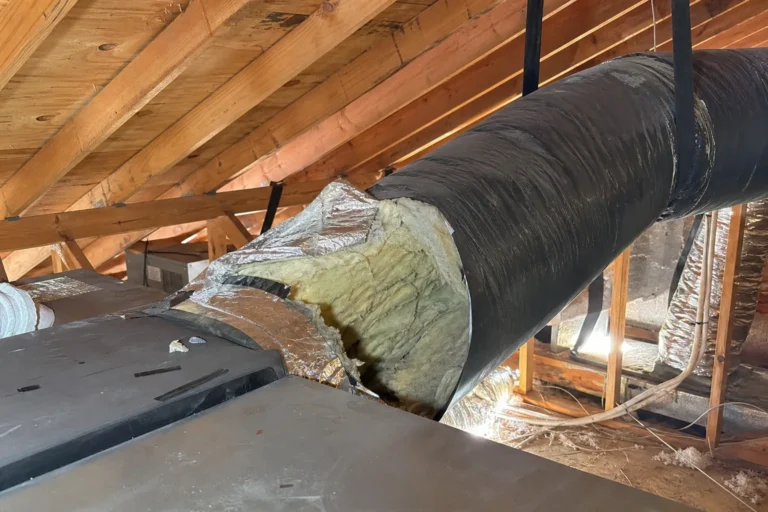
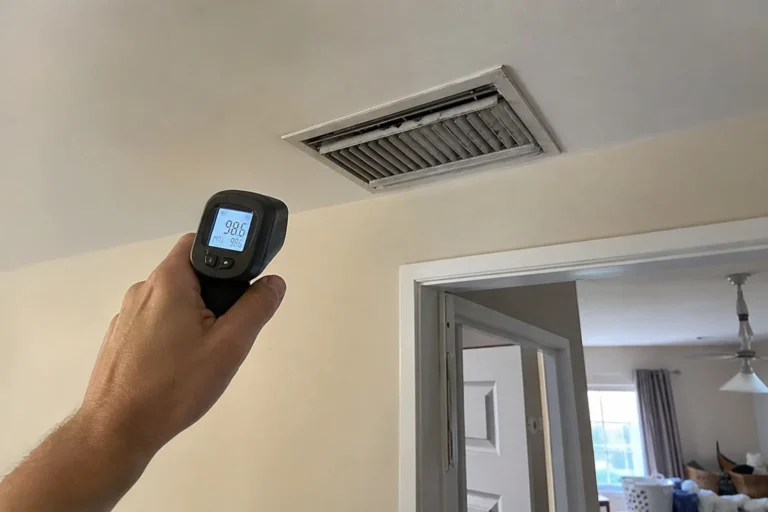
Hot upstairs rooms can point to attic heat, air leaks, duct losses, or airflow trouble instead of an AC problem...
Commercial HVAC System Installation In Pasadena by Pioneers Heating & Air. Expert design, rooftop and split installs, permits, clean startup, fast quotes today

Pioneers Heating & Air provides Commercial HVAC System Installation that keeps your building comfortable, compliant, and easy to manage. Commercial HVAC System Installation in Pasadena helps businesses get the right heating and cooling system for their space, usage, and budget goals. We handle system planning, permits, installation, and startup. We keep the process organized, communicate clearly, and install equipment that fits how your Pasadena, CA building actually runs.
Need Help? Call Pioneers Heating & Air near you
Pioneers Heating & Air treats commercial HVAC installation as the full process of designing, placing, and starting up a new system for a business space. It covers more than setting a unit on a roof and turning it on. A good install starts with understanding your building, your occupancy, and your comfort needs. It ends with clean startup, correct airflow, steady temperatures, and controls your staff can actually use.
For building wide planning, many owners also compare options like Commercial AC Installation and HVAC Installation before committing to an equipment approach.

Do you need simple cooling for office hours, or steady conditioning for long operating days. That answer changes equipment sizing, duct layout, and control strategy. When comfort complaints keep returning, starting with Commercial HVAC Troubleshooting & Diagnostics can help confirm what the building actually needs.
You may need a new commercial system when comfort problems keep coming back or your equipment no longer matches the space. A replacement is not just about age. A system can be old and still fit the building, or new and wrong for the job. We look at symptoms that point to sizing issues, duct problems, control issues, or equipment that is simply worn out. If you are unsure whether you need a full swap, Commercial HVAC System Replacement guidance can clarify next steps.
If your team has started playing thermostat tug of war, your system is telling you something. Getting a baseline with a HVAC Inspection can help confirm whether the issue is equipment, ductwork, controls, or ventilation.
The most common reasons commercial systems fail are sizing mistakes, airflow limits, and neglected ventilation. Many comfort and reliability issues trace back to install decisions made years ago. A unit can be powerful on paper and still fail in real life if it cannot move air correctly or breathe fresh air the way the space needs. For ongoing reliability after the install, many businesses schedule Commercial HVAC System Maintenance.
Ventilation matters a lot in CA and across California. Many commercial spaces need outside air to meet code and keep indoor air from getting stale. We plan for that early so you do not get surprised later, and we can support upgrades through Ventilation Upgrades.
Our installation process starts with a site walk and ends with a startup you can trust. We keep the job moving by confirming scope early and checking details that cause delays. That includes access, power, curb sizes, duct transitions, and how your business can keep operating during the work. When equipment needs to connect cleanly with existing systems, we also plan for Commercial HVAC System Integration where it applies.
Want the system to run quietly in customer areas. Tell us early. Small placement choices make a big difference, and later fine tuning may include Commercial Duct Balancing.
Need Help? Call for Heating & Air Services
Rooftop unit installations are a smart fit when you want centralized service access and clean tenant spaces. Rooftop packaged units are common in Pasadena commercial buildings because they free up indoor space and simplify distribution. RTUs can serve open offices, retail, light industrial areas, and many multi zone layouts when ductwork supports it. For ongoing care after the install, we can set up Commercial AC Maintenance.
Roof details matter. A small sealing mistake can turn into a ceiling stain later. We treat roof penetrations and curb transitions like they matter because they do.
Split system installations work well when you need flexible zoning or cannot place a large unit on the roof. Split systems can be a good match for smaller commercial spaces, suites, and buildings with limited roof space. They also support equipment placement options that help with noise or access. If your building needs this configuration, Commercial Split System Services can support the full setup.
If your current tenant build out changed the duct layout, split installs are a chance to correct airflow problems rather than repeat them. When duct condition is unknown, Commercial Air Duct Testing can help confirm performance before final adjustments.
Ductwork and airflow changes are often the difference between installed and works the way you expected. A new unit cannot fix a duct system that is too small, crushed, leaking, or poorly laid out. We check static pressure, return sizing, and supply distribution so the new equipment can deliver comfort without strain. When needed we include Commercial Air Duct Installation as part of the plan.
| What you notice | What we often find | What we do next |
|---|---|---|
| Rooms are hot at the end of the day | High static pressure or low return | Check duct sizing, add return, adjust dampers |
| Unit is loud and rushes air | Grilles or ducts too small | Resize grilles, correct transitions |
| System freezes or trips out | Low airflow across coil | Correct airflow, verify charge after airflow is right |
Permits and code steps are part of commercial work in Pasadena, CA, and we plan for them early. Permits can affect schedule, equipment selection, and inspection timing. We help keep that organized so you are not stuck waiting with half a system. If you need an added check before closeout, Commercial HVAC Inspection & Tune Up can support final readiness.
If your building has an HOA, property manager, or landlord approval process, we can coordinate access needs and work windows with them. For background on mechanical ventilation concepts, see ventilation.
A clean startup means testing, adjustments, and controls setup, not just powering on the equipment. Startup day is where many installs succeed or fail. We take time to check the parts that affect comfort and longevity. That includes airflow, drains, and thermostat logic. If control schedules need refinement later, Commercial Thermostat Programming can help keep operation aligned with real hours.
If you have multiple zones or schedules, we set them up with real building hours. Nobody wants the AC blasting at midnight for an empty office. Unless your building is haunted, then we have other problems.
Timelines depend on equipment type, access, permits, and how much ductwork needs attention. Many commercial replacements can be completed in a focused work window, while new installs and major duct changes take longer. We set expectations early and keep you updated if site conditions change. If unexpected failures happen mid project, Commercial Emergency HVAC Services may be needed to protect occupants and inventory.
If you have critical hours, tell us. Night or weekend coordination is sometimes the cleanest way to keep customers and staff comfortable during the day.
Pioneers Heating & Air
Safety matters on commercial installs because rooftops, power, gas, and refrigerant all demand respect. Commercial HVAC work has real hazards, and some are not obvious. We use practical jobsite controls to keep your team and ours safe. If issues appear during operation after the install, Emergency HVAC Services can be the safest next step.
If you ever smell gas, hear unusual electrical buzzing, or see water dripping near light fixtures, stop and call a pro right away. That is not a wait and see situation.
You can prepare for installation day by planning access, communication, and basic building logistics. Preparation prevents delays and helps your business operate with less disruption. A few simple steps also protect your inventory and customer areas. If you want a readiness check before work begins, HVAC Tune Up style checks can help confirm basic airflow and control needs.
Do you have a server closet, medical room, or product storage that cannot drift in temperature. Tell us so we can plan temporary steps and scheduling.
After installation, simple maintenance habits protect comfort and reduce surprise shutdowns. A new system still needs care. Filters load up, drains can clog, and thermostats can get bumped. We show your point person what to watch for so small issues do not turn into big ones. Many teams schedule Commercial HVAC System Maintenance to keep performance steady.
If occupants complain about one room after the install, it often points to balancing needs. Tell us early so we can correct airflow while the feedback is fresh, often through Airflow Balancing.
Pasadena conditions call for smart equipment choices that handle heat, sun exposure, and mixed use buildings. Pasadena, California buildings often deal with strong summer heat, sunny roof exposure, and a mix of older structures and new tenant improvements. That combination can stress equipment and expose duct problems. When the space needs targeted control, HVAC Zoning Setup may be part of the plan.
We also pay attention to building pressure and ventilation in spaces like salons, gyms, and food service. Exhaust fans change how HVAC behaves, and ignoring that can make comfort a daily complaint. If indoor air concerns come up, Commercial UV Air Purifier Installation can be considered as part of an overall strategy.
Pioneers Heating & Air keeps commercial projects organized with clear communication and practical field decisions. Commercial jobs go smoother when the contractor respects your schedule and your space. We focus on doing the basics right and keeping you informed, from planning through final startup. If you want to understand our team and approach, see About Us.
If you are comparing bids, ask each contractor how they handle airflow setup, condensate routing, and controls programming. Those details decide how the system feels day to day. If you need a baseline for comparison, Commercial HVAC Inspection & Tune Up can help document what you have now.
Commercial HVAC System Installation in Pasadena starts with a conversation about your building and ends with comfort you can manage. If you are planning a replacement, tenant improvement, or new build system, we can help you choose equipment that fits the space and install it with clean startup and clear handoff. Call (626) 217-0559 to schedule a site visit and next steps.
To schedule Commercial HVAC System Installation in Pasadena, contact us through our Contact Us page and we will coordinate a site visit, permits planning, and an installation timeline that fits your business.
It can support better ventilation and filtration when properly designed and maintained, which may help manage dust, humidity, and other indoor air concerns.
Hot upstairs rooms can point to attic heat, air leaks, duct losses, or airflow trouble instead of an AC problem...
Uneven room temperatures, weak airflow, dust near vents, and long AC cycles can point to leaky attic ducts. Check the...
AC cleaning removes buildup from key cooling parts. Learn the signs that point to cleaning, routine maintenance, or a repair...