Why Upstairs Rooms Stay Hot With AC
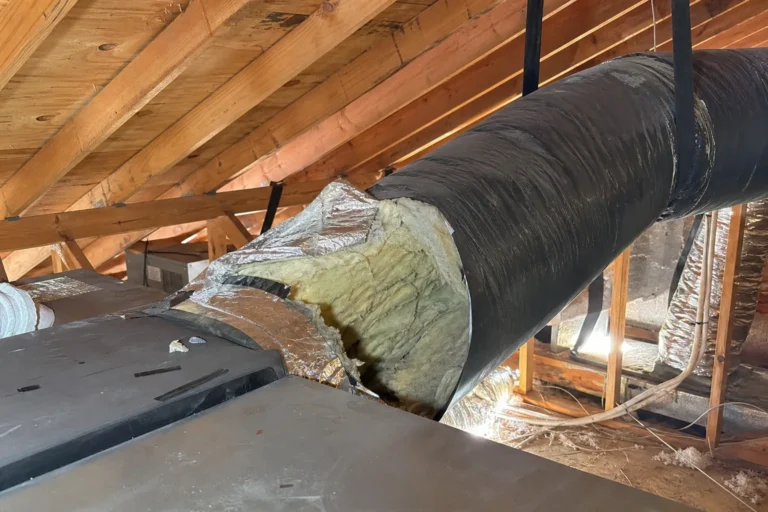
Hot upstairs rooms can point to attic heat, air leaks, duct losses, or airflow trouble instead of an AC problem...
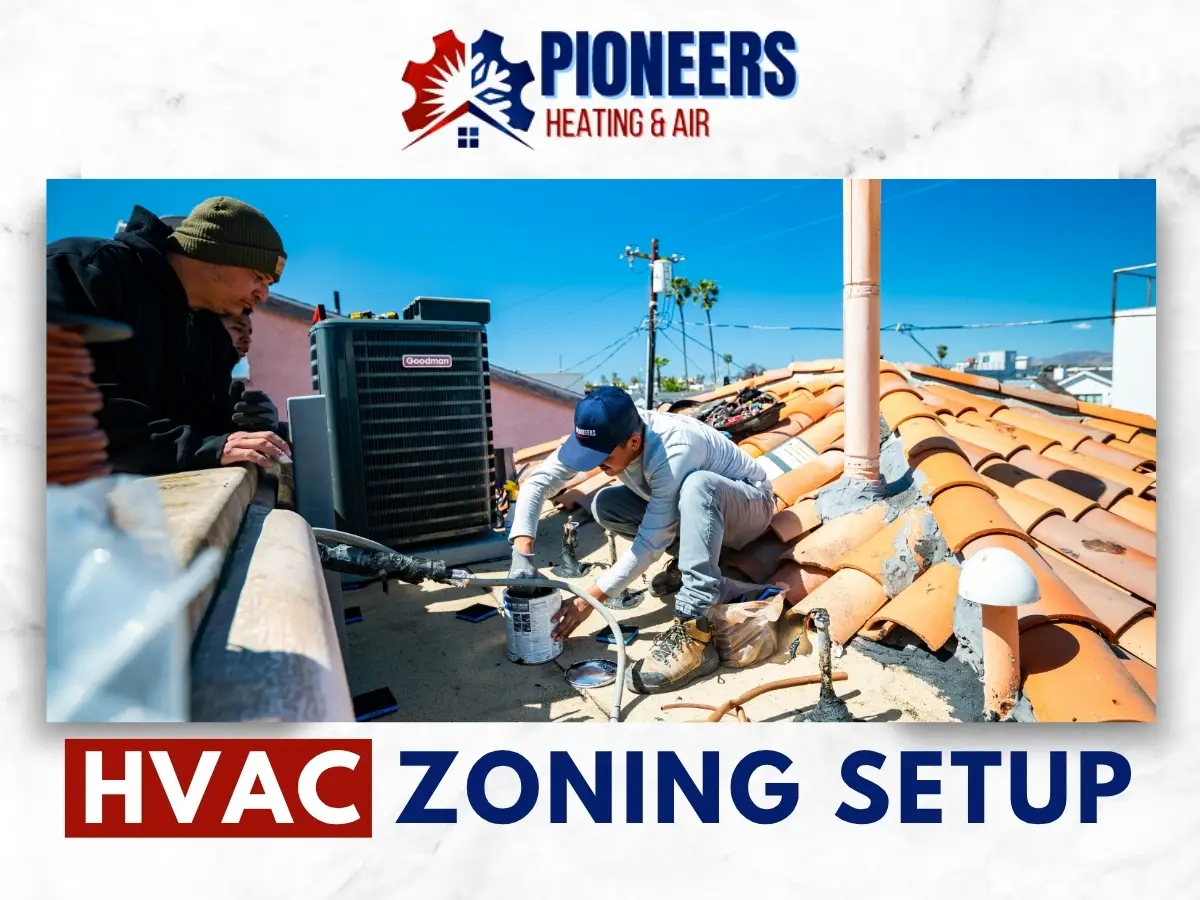
HVAC zoning lets you heat and cool different parts of your home separately, so comfort feels even and waste drops. Pioneers Heating & Air handles HVAC Zoning Setup in Pasadena by planning zones that match your rooms, installing the right controls, and tuning airflow so each area responds the way it should in Pasadena, CA in California.
HVAC zoning setup separates your home into comfort zones with their own control. A zoning system uses dampers inside the ductwork to direct air where it is needed. Each zone has its own thermostat, so a warm upstairs and a cool downstairs can both feel right at the same time.
Need Help? Call Pioneers Heating & Air near you
This is not a gimmick. Many homes in Pasadena have hot and cold spots because of sun exposure, room placement, duct layout, or older equipment choices. Zoning gives you a practical way to manage those differences without overcooling or overheating the whole house.
Pioneers Heating & Air approaches zoning as a full system job, not a gadget install. We look at airflow, equipment limits, duct design, and thermostat placement so the setup actually works day to day. If you are also dealing with system performance concerns, an HVAC inspection can help confirm what the equipment and duct system can support.

HVAC zoning is a good fit when your home has uneven comfort or different schedules. If your household lives in only part of the home at certain times, zoning can help. If one floor is always uncomfortable, zoning can also help. The goal is simple comfort where you are, without forcing the rest of the house to match.
Ask yourself a direct question are you paying to condition rooms that no one is using most of the day. If the answer is yes, zoning is often a smart next step. If run times are unusually long, HVAC troubleshooting and diagnostics may also be part of the conversation.
Hot and cold spots usually come from airflow limits, not bad luck. Most comfort complaints trace back to a handful of causes. Zoning can solve some, and it can expose others that should be fixed first.
Shutting vents is not zoning. Closed vents can raise static pressure and make the system work harder. Real zoning controls airflow safely and intentionally. If duct issues are suspected, a ductwork inspection can pinpoint restrictions, leakage, and access limits.
A zoning plan starts with how your home is used, not just where the ducts run. Good zone design follows real life. Where do you sleep, work, cook, and relax. Which rooms sit empty most days. Which rooms need special attention.
We also keep equipment limits in mind. Some systems handle multiple zones better than others. If the system cannot support the zone count you want, we will talk through options that still improve comfort without forcing a setup that fights itself. In some cases this includes updates tied to HVAC installation planning or a system changeout through HVAC replacement.
Our process checks equipment, ducts, and controls so the finished system behaves predictably. An HVAC zoning setup works best when it is treated like a complete project. We focus on comfort, reliability, and clear operation, so you do not need a manual just to sleep comfortably. For ongoing performance, we may also recommend HVAC maintenance after the system is dialed in.
We start by inspecting the system and mapping the airflow. We look at the equipment type, duct layout, and current airflow balance. We also review thermostat placement and how the system cycles during typical use.
We also ask simple questions that matter. Do you keep doors closed at night. Do you have rooms over a garage. Do you notice the problem more during heat waves or cool evenings. If airflow is uneven, airflow balancing may be part of the plan.
Need Help? Call for Heating & Air Services
We design zones that stay stable under real conditions. Each zone needs enough air volume to keep the system operating within safe ranges. If a zone is too small, we may need a bypass strategy, a different zone grouping, or duct changes that make the airflow workable.
We also plan damper placement for service access. If a damper is buried where no one can reach it later, that is a bad day for everyone. When duct layout needs correction, we may discuss air duct repair or air duct installation options.
We install dampers, a zone control panel, and thermostats that match the plan.
We keep wiring neat and labeled. Future you will appreciate that. If you want thermostat upgrades as part of the project, we can coordinate with thermostat installation and follow up with thermostat programming.
We test, balance, and fine tune after installation. This step is where zoning goes from installed to works. We verify damper operation, thermostat calls, and equipment response. We also fine tune airflow at registers if needed.
You should be able to say Zone 1 wants cooling and see the system react the same way every time. If it acts moody, we keep working until it is consistent. If cooling performance needs attention during setup, we can coordinate with AC repair or AC maintenance as needed.
Zone controls and smart thermostats can simplify comfort, not complicate it. A well chosen thermostat setup can make zoning easy to live with. Many homeowners want schedules, app control, and clear temperature readouts. Others want simple buttons and nothing else.
More features are not always better. If the system is hard to operate, people stop using it correctly. That can wipe out the comfort gains. When comfort complaints overlap with reliability issues, HVAC repair may be recommended before adding complexity.
Ductwork changes are sometimes part of zoning, because dampers cannot fix every duct problem. Zoning assumes the duct system can deliver air to each zone. If a key duct run is undersized, crushed, or leaking badly, a damper alone will not fix the room.
This is not about chasing perfection. It is about removing the big obstacles so zoning can do its job. If the duct system is near end of life, air duct replacement may be the more dependable foundation.
Zoning can reduce energy waste, but comfort and control are the first wins. Many people start with comfort complaints. Then they realize zoning can also cut down on conditioning unused areas. That can help lower energy bills, especially during heavy cooling or heating periods in CA.
If someone in your home likes it colder than everyone else, zoning can keep peace. It may not solve every household debate, but it helps. Your thermostat should not be the most argued over device in the house. For seasonal readiness, pairing zoning with an HVAC tune up can help keep performance steady.
Timelines depend on access, duct layout, and how many zones you need. Most zoning jobs involve planning, install work in ducts, control wiring, and testing. The time needed depends on how open the ductwork is and how many dampers are required.
We will walk you through what we can reach, what we cannot, and what that means for the final design. If something is hidden behind finished ceilings or walls, we keep the plan realistic. If urgent comfort issues are happening now, emergency HVAC services may be appropriate before a full zoning buildout.
Zoning needs safe airflow management, so DIY installs can create real problems. Zoning touches critical parts of how your HVAC system breathes. If airflow becomes too restricted, you can cause issues like coil icing in cooling mode or overheating in heating mode.
A little humor, but true your HVAC system should not sound like it is trying to learn the saxophone. Odd noises often point to pressure issues that need correction. If you suspect airflow restriction, start with HVAC troubleshooting and diagnostics rather than trial and error.
Preparing your home helps the install go faster and keeps things cleaner. A few simple steps make zoning work smoother, especially when we need attic or closet access.
If you have rooms that are always uncomfortable, point them out early. The more specific you are, the better the zone plan fits your needs. If indoor air quality is also a concern during duct access work, air duct cleaning may be worth discussing.
After installation, small habits help keep each zone consistent. Once zoning is installed, daily use matters. A few practical habits can prevent most why does this zone feel off calls.
If a zone seems slow to respond, check simple items first. Is the door closed. Is a supply vent blocked by a bookcase. Is the thermostat in direct sunlight. Little things can throw off a zone. If you want a full refresh after zoning is installed, HVAC maintenance can help keep performance steady over time.
Pasadena homes often benefit from zones based on sun exposure and multi level layouts. Pasadena, CA has a mix of older homes, additions, and remodeled spaces. That often means mixed insulation levels, changed duct paths, and rooms that heat up differently during the day.
Zoning can help you respond to these patterns without constantly adjusting one thermostat. If your home has a good side and a bad side for comfort, zoning is worth a closer look. Improving the building shell can also support comfort, including attic air sealing when appropriate.
Zone sizing matters, so we match zone demand to what the system can deliver. Each zone needs enough airflow to keep the system stable. This is a core design rule that protects performance and helps comfort stay even.
| What you notice | What it can point to | What we adjust |
|---|---|---|
| A zone gets too much airflow and feels drafty | Damper set too open or zone is oversized | Damper settings, register balance, zone grouping |
| A zone barely gets airflow when it calls | Duct restriction or damper placement issue | Duct correction, damper placement, balancing |
| System gets noisy when only one zone runs | Zone is too small for equipment airflow | Zone design, bypass strategy, zone combination |
We explain the why behind these adjustments. Zoning should feel straightforward once it is set up correctly. When balancing is needed to finalize results, airflow balancing helps the system deliver consistent comfort.
Homeowners choose Pioneers Heating & Air for clear options and careful setup work. You need a contractor who treats zoning like system design, not a quick add on. We focus on practical choices, clean installation, and real testing after the work is done. If you want to learn more about our team, visit About Us.
Do you want a simple upstairs downstairs split, or do you need more control for specific rooms. Tell us what is driving the project, and we will build the plan around that. If your current system is older, we can also discuss how zoning pairs with HVAC installation planning for long term comfort.
HVAC Zoning Setup in Pasadena starts with a walkthrough and ends with a home that feels more even. If you are tired of hot bedrooms, chilly living rooms, or thermostat battles, zoning can bring order back to your comfort. Pioneers Heating & Air handles HVAC Zoning Setup in Pasadena with careful planning, proper damper control, and the testing needed for stable results.
For help with HVAC Zoning Setup in Pasadena, call (626) 217-0559 or use our Contact Us page to schedule service.
Hot upstairs rooms can point to attic heat, air leaks, duct losses, or airflow trouble instead of an AC problem...
Uneven room temperatures, weak airflow, dust near vents, and long AC cycles can point to leaky attic ducts. Check the...
AC cleaning removes buildup from key cooling parts. Learn the signs that point to cleaning, routine maintenance, or a repair...