Why Upstairs Rooms Stay Hot With AC
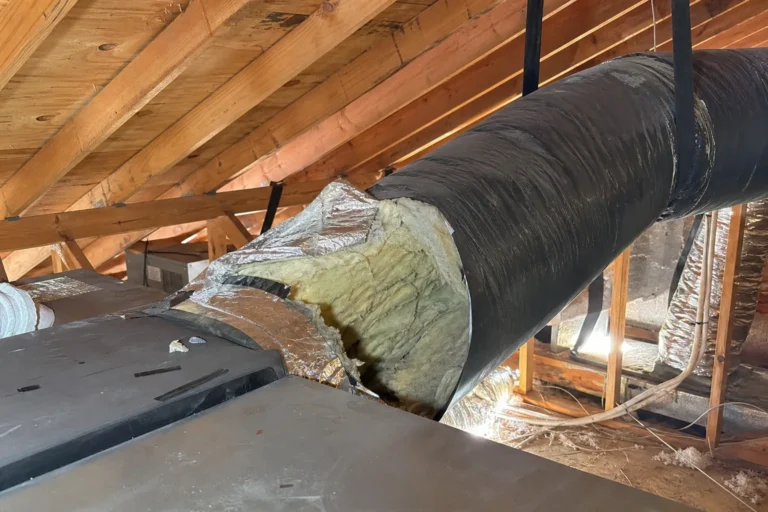
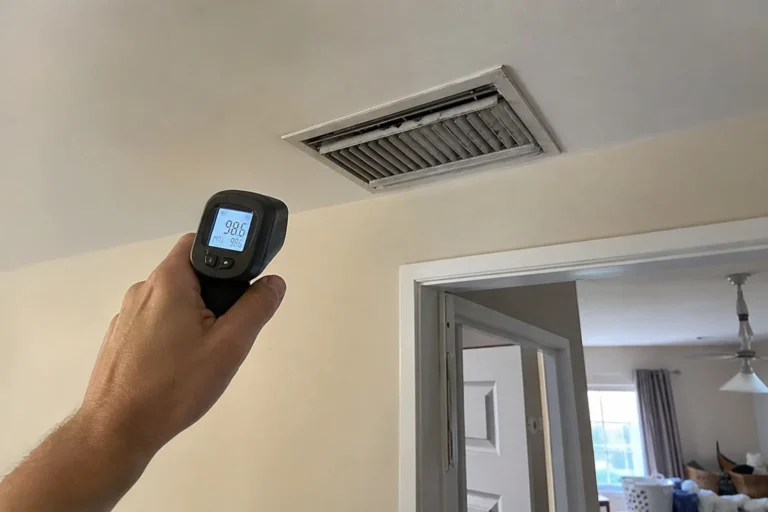
Hot upstairs rooms can point to attic heat, air leaks, duct losses, or airflow trouble instead of an AC problem...

Pioneers Heating & Air provides fast, practical help to get your heat back on in Pasadena, CA. Furnace repair in Pasadena means finding the real cause of a no heat problem, fixing it safely, and testing the system so it runs the way it should. If your furnace is acting up, we can help.
For broader system support beyond this visit, you can also explore heating services and heating repair for additional options in California.
Need Help? Call Pioneers Heating & Air near you
Furnace repair is about restoring safe, steady heat by correcting what failed and confirming the furnace operates normally afterward. That might mean replacing a worn igniter, clearing a clogged drain line, correcting a thermostat issue, or fixing airflow problems that cause overheating. When symptoms overlap with other equipment, we may also recommend HVAC troubleshooting and diagnostics to confirm the full picture.
A furnace can sort of run while still being unsafe or hard on parts. If you are hearing odd noises, smelling something off, or noticing cold rooms, it is worth addressing now. Do you want a quick patch, or do you want a fix that stops the same issue from coming back next week. Many recurring issues trace back to comfort problems that benefit from airflow balancing and ductwork inspection.

Most furnaces give warning signs before they quit fully. Catching them early often prevents bigger damage and helps you avoid a cold night in CA.
If your furnace is turning on but not warming the house, do not ignore it. That almost working stage can be when parts take the most stress. If you are also noticing whole home airflow problems, consider adding duct sealing or air duct repair after the furnace issue is corrected.
Many breakdowns trace back to a few systems that every furnace depends on. Once you know the categories, the symptoms make more sense. If you need a broader checkup, an HVAC inspection can help confirm what is happening across the system.
Ignition trouble stops the heating cycle early. Depending on your system, the issue may involve an igniter, flame sensor, pilot assembly, gas valve signals, or burner cleanliness. If symptoms remain unclear, diagnostics can narrow it down quickly.
Restricted airflow makes the furnace run hot. Modern furnaces protect themselves by shutting down, which looks like short cycling. Air issues can also point to duct problems, so we may recommend air duct maintenance or air duct cleaning when buildup or restrictions are part of the story.
That can matter more than most people think, especially in older California homes with limited return air pathways.
Furnaces rely on safeties and sensors. A small sensor problem can shut the whole unit down even if the major parts are fine. When thermostat behavior is part of the issue, we may recommend thermostat programming or thermostat installation.
Need Help? Call for Heating & Air Services
A service visit should be structured and calm, not guesswork. Our goal is to locate the failure, explain it in plain language, and get your system operating safely. If the visit shows wider system wear, we can also discuss HVAC repair options that fit your home.
You will know what we found, what we fixed, and what to keep an eye on. If follow up care makes sense, an HVAC tune up can help keep operation steady.
Furnace repair includes many small and medium fixes that restore normal operation. Some are quick part swaps. Others involve cleaning, adjustments, or correcting installation and airflow issues. When airflow corrections point to distribution issues, we may recommend air duct installation or air duct replacement when ducts are damaged or undersized.
If the furnace is older, we still focus on the same basics. safe ignition, stable flame, correct airflow, and reliable controls. If the better long term answer is replacement, we can talk through furnace installation rather than repeated repairs.
These are not final diagnoses, but they can help you describe the problem clearly when you call. For definitions and general background, see central heating furnaces.
| What you notice | What it often points to | What to do right now |
|---|---|---|
| Furnace runs, but air feels cool | Ignition not staying lit, sensor trouble, airflow issues | Check filter, confirm thermostat mode is Heat, then call |
| Turns on and off quickly | Dirty filter, closed vents, overheating, limit switch trips | Replace filter, open vents, do not keep resetting it |
| Clicking but no flame | Igniter failure, gas supply signal issue, control problem | Turn system off and call |
| Loud banging at start | Delayed ignition or burner issue | Shut it down and call |
| Burning smell that persists | Dust buildup, wiring, motor issue | Turn off and call if it does not fade fast |
If you smell gas, leave the area and contact your gas provider and emergency services as appropriate. Safety first, even if it ruins your evening plans. For consumer guidance on carbon monoxide, review CDC carbon monoxide information.
Many repairs can be completed the same visit when the issue is straightforward and the correct part is available. Some situations take longer, especially if the furnace is in a tight attic space, has multiple issues, or needs extra airflow corrections. If access or layout is a factor, we may suggest support work like attic air sealing or ventilation upgrades to reduce strain on the system.
We keep the process clear, and we do not rush steps that affect safe operation. If you need help outside standard hours, ask about emergency HVAC services.
A furnace is a fuel burning appliance, and safety is not a place for experiments. If anything seems risky, shut the system down and call a professional. If you are unsure where the problem sits, start with a full inspection rather than repeated resets.
If you are handy, it is fine to change a filter or check a breaker. Past that, most furnace internals are not worth the risk. Your furnace does not need a little encouragement. It needs the right fix. For general guidance on home heating safety, see NFPA heating safety information.
A little prep can save time and reduce back and forth. It also helps you feel in control of the situation. If you suspect a bigger system issue, pairing the visit with HVAC maintenance can help reduce repeat problems.
If the furnace is in an attic, turn on the attic light if you can. If not, no problem. We come prepared.
Once the heat is back, a few small habits help prevent repeat issues. You do not need to baby the system, but a little attention goes a long way. Many homeowners benefit from a seasonal tune up to catch small issues before they become no heat calls.
Ask yourself. has airflow changed since last season. New furniture, rugs, or closed doors can change how your system breathes. If comfort remains uneven, airflow balancing can help.
Pasadena weather can swing from mild days to chilly nights, and that pattern can hide furnace problems until the system runs longer. When a furnace only runs in short bursts, weak parts can go unnoticed until a colder stretch hits. If the root cause is not only the furnace, we may point you toward system repair or replacement planning.
If you live near the foothills, you may also notice colder nighttime lows. That can make a marginal furnace issue show up fast in California.
A few checks can help you describe the issue and sometimes restore heat if the problem is simple. Keep it basic and avoid opening sealed furnace panels beyond the filter access. If these checks do not help, it may be time for professional heating repair.
If the furnace starts then stops repeatedly, do not keep cycling power. That can stress components.
You deserve straight talk and solid work, especially when your house is cold. We take time to explain what failed, what it affects, and what we recommend next. We also keep our work area clean and respect your home. If you want to know more about the company, visit about us.
If you have questions during the visit, ask. A furnace should not feel like a mystery box in a closet. If you are considering other heating equipment, we can also discuss heat pump repair and heat pump installation.
If your furnace will not start, will not stay running, or is making new noises, it is time to schedule furnace repair in Pasadena. Pioneers Heating & Air is ready to help with furnace repair in Pasadena that focuses on accurate diagnosis and safe operation. Call (626) 217-0559 to get started.
Schedule your visit today through the contact page and we will help you get dependable heat back in Pasadena in the state of California.
Hot upstairs rooms can point to attic heat, air leaks, duct losses, or airflow trouble instead of an AC problem...
Uneven room temperatures, weak airflow, dust near vents, and long AC cycles can point to leaky attic ducts. Check the...
AC cleaning removes buildup from key cooling parts. Learn the signs that point to cleaning, routine maintenance, or a repair...