Why Upstairs Rooms Stay Hot With AC
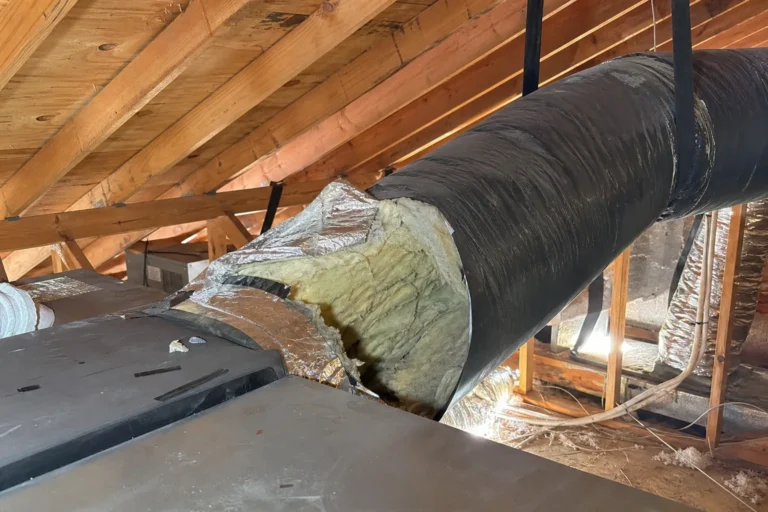
Hot upstairs rooms can point to attic heat, air leaks, duct losses, or airflow trouble instead of an AC problem...
Commercial Mini Split system In Pasadena for efficient zoning comfort. Pioneers Heating & Air provides expert install repair and maintenance. Book now today
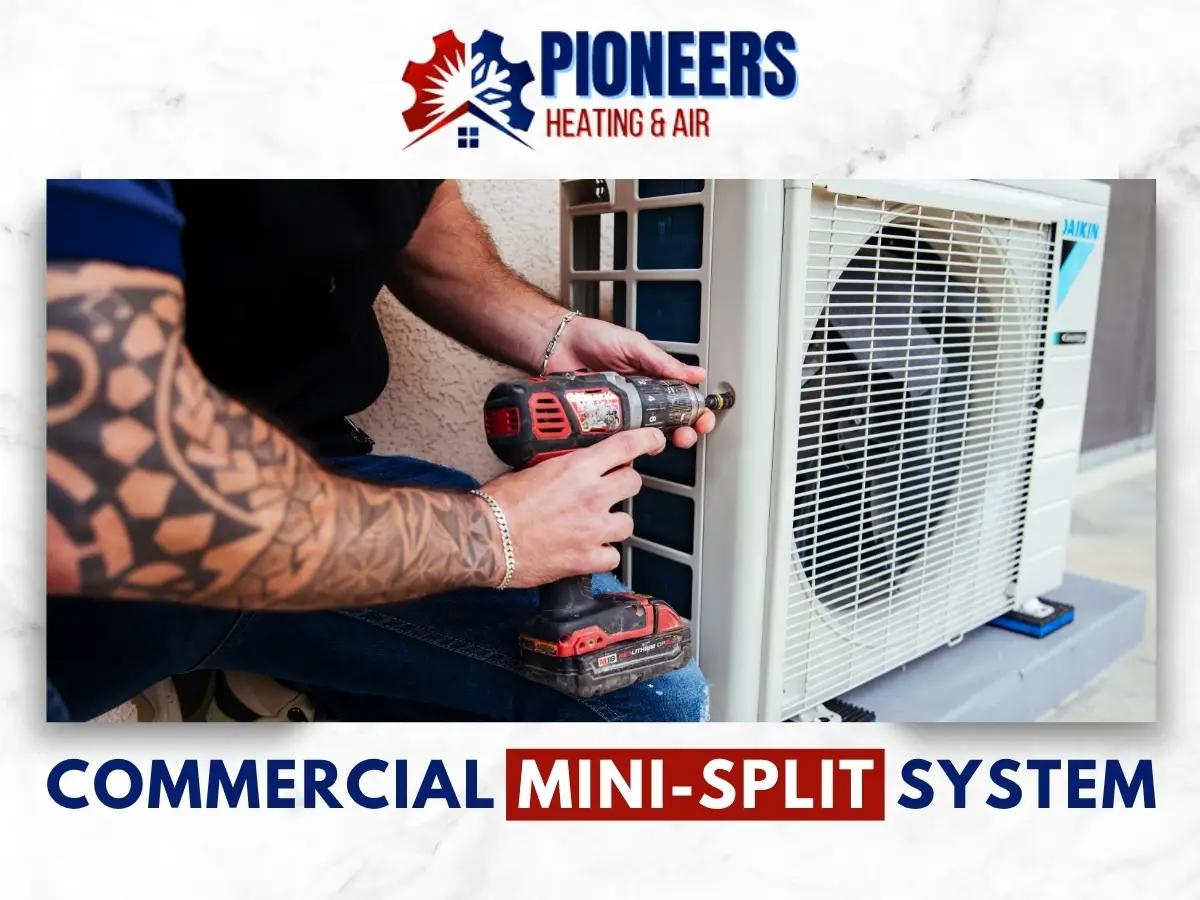
Commercial mini split systems give businesses room by room comfort without major ductwork, and we handle the full job in Pasadena, CA. A Commercial Mini-Split system In Pasadena is a ductless heating and cooling setup that lets you control temperatures by zone. Pioneers Heating & Air helps with planning, installation, repairs, and maintenance for reliable daily comfort. We size equipment correctly and keep disruption low for your staff and customers.
Commercial mini split systems solve zoning and comfort problems that ducted systems often cannot. A commercial ductless mini split uses an outdoor unit connected to one or more indoor units. Each indoor unit conditions a specific area, so you can cool a server closet, warm a back office, and keep a lobby steady without fighting one thermostat.
Need Help? Call Pioneers Heating & Air near you
This setup works well for many Pasadena businesses that have mixed use spaces or changing occupancy. Think storefronts with sunny windows, offices with interior rooms, studios, clinics, and small warehouses with separate work areas. For businesses comparing options, we can also review how this approach differs from commercial split system services and commercial rooftop unit services.

A mini split is usually a smart fit when you want comfort without opening ceilings for new ducts. If your building has limited attic space, older construction, or past remodels, ducts can be hard to route. Ductless systems use refrigerant lines and wiring instead. That means less building disruption in many cases, and it can pair well with a commercial HVAC system integration plan when a site has multiple system types.
Zoning is the big win, and it can also help manage operating costs. You can run only the zones you need. If the front showroom is closed, you do not have to condition it like it is full of people. Do you have areas that sit empty for hours at a time. Zoning helps you stop paying to condition empty space. If zoning control needs come up, we also support commercial HVAC control and zoning setup.
A Commercial Mini-Split system In Pasadena is a strong option for comfort in mixed weather and mixed building layouts. Pasadena, California gets warm stretches where sun exposure varies by room, plus cool evenings where staff comfort matters. Ductless zoning lets you respond to those swings without constant thermostat battles, and it complements planned commercial HVAC system maintenance for busy properties.
Many commercial spaces also have heat loads that change during the day. Computers, lighting, kitchen equipment, and foot traffic all add heat. A mini split layout can target those areas directly, and we can confirm performance during a commercial HVAC inspection and tune up.
You may need service if you notice comfort swings, noise changes, or rising complaints from staff. Most commercial HVAC problems show up as patterns. The earlier you act, the simpler the fix tends to be, and we can start with commercial HVAC troubleshooting and diagnostics.
A quick question worth asking your team is are complaints coming from the same area every day. That detail helps pinpoint airflow, placement, or load issues, and it can also guide whether airflow balancing is needed in spaces with mixed equipment.
Most mini split failures come from airflow restrictions, drainage problems, electrical issues, or refrigerant leaks. Ductless systems are dependable, but they still need clean airflow and correct refrigerant charge. Commercial use can be tougher because doors open often, filters load faster, and units run longer hours. When symptoms escalate, we can respond with commercial emergency HVAC services.
Mini splits do not like being smothered. If an indoor unit is blocked by shelving, signage, or tall product displays, performance drops fast. That is a simple fix, and yes, we have seen an indoor unit hidden behind a poster. It did not end well for the poster. If buildup is suspected, we may recommend commercial AC cleaning as part of the solution.
Our commercial mini split installation starts with sizing and zoning so the system matches your building and your schedule. A good install is about planning, not rushing. We look at layout, heat gains, operating hours, and how each zone is used. Then we recommend a configuration that supports comfort without overcomplicating controls. For businesses planning ductless projects, we also provide ductless system installation and support commercial HVAC system installation when multiple systems are involved.
Need Help? Call for Heating & Air Services
You get clear guidance on how to operate the remotes or wall controls. We also label zones so staff do not guess which control runs which area. If your site needs centralized control, we can connect the plan to commercial thermostat programming.
Where an indoor head goes affects airflow patterns, comfort, and noise. We aim for open airflow paths, away from heat sources, and with access for filter service. We also avoid blasting air directly onto seating areas when possible, because nobody wants a cold wind during a haircut or a client meeting. When placement affects comfort, we may also suggest commercial duct balancing for areas that share ducted zones with other equipment.
Commercial spaces see carts, deliveries, and daily traffic. We route and secure line sets to reduce the chance of damage. We also plan penetrations to help control water intrusion and reduce vibration transfer. If the building envelope is a factor, improvements like commercial attic air sealing can support more stable comfort in some layouts.
Our repair visits focus on confirming the cause, not guessing, so your business can get back to normal faster. We start by listening to what you are seeing and when it happens. Then we check error codes, temperature split, airflow, and electrical readings. We inspect drains, coils, and filters, since those are common sources of trouble. When needed, we coordinate follow up through commercial AC repair support for broader cooling issues.
If a part replacement is needed, we explain what failed and what it affects. We also share what to watch for after we leave, so you can spot repeat issues early. If replacement becomes the best path, we can review commercial AC replacement options that fit the building.
If a drain line clogs, water can back up and drip from the indoor unit. That can damage walls, floors, and inventory. We clear clogs, check slope, and confirm the pump operation if your system uses one. If airflow and cleanliness are also concerns, duct sanitizing may be discussed for mixed systems that share return pathways.
Multi zone systems rely on control wiring and correct addressing. A loose connection, damaged wire, or power issue can trigger errors. We test signals and connections to restore reliable zone operation, and we can align controls with commercial thermostat installation when a site needs updated control hardware.
Maintenance reduces downtime by keeping airflow, drainage, and controls in good shape. Commercial spaces do better with planned upkeep, because daily run time is higher than a typical home. Maintenance helps you avoid surprise shutdowns during a busy day. Many businesses schedule service through commercial AC maintenance and extend it into full site coverage with HVAC maintenance when they have multiple systems.
How often should it be done. That depends on your hours, foot traffic, and dust levels. A small office with steady occupancy may need less frequent attention than a salon with hair spray, or a workshop with fine dust.
Some indoor units have filters that staff can rinse and reinstall. Others use replaceable styles. We show you the right method, because a backwards filter or a missing filter can cause coil buildup quickly. If you want a broader baseline check, we can pair maintenance with an HVAC inspection.
We offer several commercial mini split system options so you can match the system to your space. Not every business needs the same setup. We help you compare layouts and control styles so the system works for your staff. If you are evaluating ductless from the start, we can also review mini split air conditioners and mini split installation planning for the right fit.
| Indoor unit type | Best for | Things to consider |
|---|---|---|
| Wall mounted | Offices, exam rooms, small retail | Needs clear wall space and open airflow |
| Ceiling cassette | Lobbies, studios, open work areas | Requires ceiling space and proper drainage routing |
| Concealed ducted | Areas where you want minimal visual impact | Needs duct runs and access panels for service |
We talk through noise sensitivity too. A therapy office has different needs than a stockroom. If indoor air quality is part of the goal, we can also discuss commercial UV air purifier installation.
Most projects take from a day to several days, depending on zones, access, and electrical needs. A simple single zone replacement can be quicker than a multi zone installation across several rooms. Access to roof areas, long line set runs, or tight ceiling spaces can slow progress. When a system is at end of life, we can compare schedules for commercial AC installation versus replacement planning.
We coordinate scheduling to reduce business disruption. Do you need work done before opening, after closing, or in stages. Tell us, and we will plan around it. If downtime risk is high, ask about emergency HVAC services planning.
Pioneers Heating & Air
Safety matters because mini splits mix electricity, moving parts, and refrigerant under pressure. Some quick checks are fine for staff, but others should be left to a trained HVAC technician. If you are unsure, stop and call. For general background on refrigerant safety, see refrigerant.
You can prepare in a few simple ways to help the visit go smoothly. Small prep steps save time and reduce interruptions. If your building also relies on ducts in some areas, we can combine planning with ductwork inspection to spot related issues.
If your business is busy, consider marking off a small work area near the indoor unit. It helps keep customers from walking right under a ladder. People are curious. Ladders make them extra curious.
After service, simple habits help keep performance steady and prevent repeat issues. Most mini split problems repeat because a root cause was not addressed or conditions changed. If comfort complaints continue, we can revisit controls through thermostat programming and confirm system health with HVAC tune up.
A practical tip for commercial spaces is to set clear rules for thermostat and remote use. Too many hands on the controls can cause comfort complaints that look like equipment problems.
Pasadena, CA properties bring real world challenges like sun exposure, older construction, and mixed use spaces. Pasadena has many buildings with a mix of old and new features. Some have limited chases for ducts. Others have additions that never tied into the original HVAC evenly. Mini splits can correct those comfort gaps. For sites needing envelope improvements, attic air sealing and ventilation upgrades may support more consistent results in CA climates.
If your building has comfort complaints tied to time of day, that points to load and zoning issues. Those are areas where ductless systems can shine, and we can validate the plan during a HVAC troubleshooting and diagnostics visit.
Pioneers Heating & Air keeps commercial work organized so you can stay focused on running your business. You need clear communication, clean work areas, and systems that operate the way your space is used. We take time to understand who uses each zone and what comfort means for your business. If you would like to learn more about the team, visit About Us.
If you have multiple decision makers, we can explain options in plain language. Nobody needs a mystery box on the wall that only one person understands.
A Commercial Mini-Split system In Pasadena can be installed, repaired, or maintained with one clear plan and one trusted HVAC contractor. If you are planning a new setup, dealing with uneven comfort, or keeping an existing system running, we are ready to help. Pioneers Heating & Air works on Commercial Mini-Split system needs for offices, retail, studios, and other commercial spaces across California and CA.
Call (626) 217-0559 or use our Contact Us page to schedule service and talk through your building, your zones, and your goals.
Hot upstairs rooms can point to attic heat, air leaks, duct losses, or airflow trouble instead of an AC problem...
Uneven room temperatures, weak airflow, dust near vents, and long AC cycles can point to leaky attic ducts. Check the...
AC cleaning removes buildup from key cooling parts. Learn the signs that point to cleaning, routine maintenance, or a repair...