Why Upstairs Rooms Stay Hot With AC
Hot upstairs rooms can point to attic heat, air leaks, duct losses, or airflow trouble instead of an AC problem...
Commercial Air Duct Replacement In Pasadena by Pioneers Heating & Air for offices and retail. Improve airflow, cut energy waste, request an estimate today
Commercial air duct replacement removes old, damaged, or poorly sized ductwork and installs new duct paths that move air the way your building needs. Pioneers Heating & Air handles Commercial Air Duct Replacement in Pasadena with practical planning, clean installation, and clear communication. If airflow feels uneven, noisy, or wasteful, commercial duct replacement can restore control.
Need Help? Call Pioneers Heating & Air near you
Commercial duct replacement solves issues that keep coming back because the duct system itself is the problem. Patchwork can help for small leaks, but it cannot correct crushed runs, bad layout, undersized trunks, or aging materials that shed dust and restrict air.
For many offices, retail spaces, and light industrial buildings, the duct system is the hidden equipment that decides comfort. If the ducts are wrong, even a good rooftop unit or split system struggles. Have you ever had a room that never cools down, no matter what the thermostat says. Duct design is often the reason.

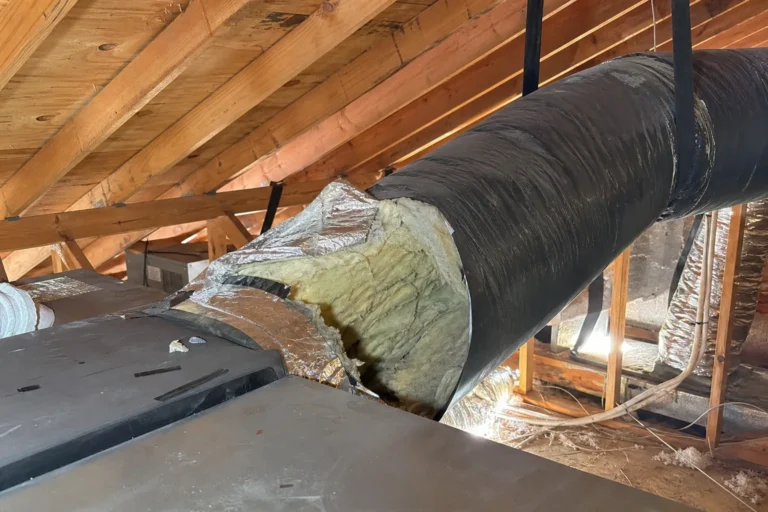
Commercial duct replacement is often the practical choice when ductwork is damaged, contaminated, or built in a way that cannot deliver proper air. Old sections can collapse internally, joints can separate, and insulation can break down and spread particles.
Replacement is also common after a remodel. New walls, new ceiling grids, and new room layouts change air needs. If the ductwork stayed the same while the floor plan changed, comfort problems are almost guaranteed.
You may need duct replacement when the building never feels consistent from room to room. These signs show up in real life, not just on paper.
If you are hearing more about comfort than your team wants to hear, the duct system may be the real issue.
Most commercial duct trouble traces back to a few root causes. Once you see them, the symptoms make more sense.
Bad sizing forces air to move too fast in some sections and too slow in others. Fast air gets noisy and can lead to drafts. Slow air leaves rooms under served, especially at the far end of the run. When we confirm sizing during a ductwork inspection, it helps define whether targeted fixes or full replacement makes sense.
Older insulated duct board and lined ducts can wear over time, especially if moisture is present. When surfaces deteriorate, you may see dust and fibers at diffusers. That is not the kind of snow anyone wants in their store. In some cases, pairing replacement with commercial air duct cleaning can help reset the system after the new runs are in place.
Ceiling work and tenant improvements sometimes leave older duct sections capped, crushed, or simply forgotten. Air then takes the path of least resistance, which is rarely the path you want. When layout is the core issue, commercial air duct installation style rerouting is often part of the replacement plan.
Water intrusion changes everything. Even small leaks can damage insulation, stain ceiling tiles, and create odor issues. If moisture keeps showing up, replacing affected duct sections may be the safest path. For ventilation related moisture patterns, ventilation upgrades may also be part of the long term solution.
Supply air can only work if return air can get back to the unit. Missing returns, blocked transfer paths, or undersized return grilles can make rooms feel pressurized and uncomfortable. When return paths are part of the problem, airflow balancing and layout corrections can work together with replacement.
A productive duct replacement begins with a careful walkthrough and a plan you can understand. We look at how your building actually operates, not just how it should operate. When needed, we can support decisions with commercial air duct testing to confirm restrictions and distribution issues.
You will get clear options, not a confusing pile of jargon. If replacement is not needed, we will say so. If it is needed, we will explain why, and when appropriate we may recommend commercial air duct repair for limited sections.
A successful replacement is a sequence, not a single task. Skipping steps is how you end up with a new duct system that still performs like the old one. If sealing is part of the scope, we may also align the plan with duct sealing practices to reduce loss and improve consistency.
We remove what is holding airflow back, then we rebuild the path so air can do its job. If odor control is a concern, some projects also include duct sanitizing after the new system is in.
Need Help? Call for Heating & Air Services
The right duct plan depends on ceiling type, roof access, tenant layout, and the kind of HVAC equipment you have. We handle projects in offices, medical and professional suites, retail spaces, restaurants with non grease HVAC zones, schools, and light industrial areas. When equipment is also underperforming, we may recommend aligning duct changes with commercial HVAC system maintenance so the full system works together.
Full replacement makes sense when the duct layout is wrong across the building, or when materials are aged and failing in many areas. It also helps after large remodels where the old duct map no longer matches the rooms. When the duct system is being rebuilt end to end, commercial duct balancing becomes especially important at the finish.
Partial replacement focuses on the worst runs, common choke points, and damaged sections. That can restore comfort without changing every piece of duct in the building. In some cases, this pairs well with commercial air duct maintenance to keep the remaining sections stable.
Re routing helps when offices moved, walls were added, or a retail floor was divided. It can also reduce complaints by moving supply air to the areas that actually need it now. When zones and controls are part of the issue, commercial HVAC control and zoning setup can support the new duct layout.
Return paths are the quiet hero of comfort. A better return layout can reduce odors lingering in rooms and help temperatures stabilize. If returns are starved, we may also recommend follow up airflow balancing to confirm distribution after changes.
Some commercial buildings in CA have rooftop duct runs or transitions that see heat, UV exposure, and rain. If insulation is failing or metal is rusting, replacement can reduce heat gain and improve system response. Buildings using rooftop equipment may also benefit from commercial rooftop unit services when access is already planned.
Ductwork is not just metal tubes. It is a system with rules. A plan that follows those rules usually feels better and sounds better. For a background overview of duct systems, you can reference ducts in HVAC.
If your current system sounds like a wind tunnel at 3 pm, that is often a duct velocity issue, not a bad thermostat. In these cases we may verify control behavior and airflow with commercial HVAC troubleshooting and diagnostics.
Choosing between duct repair and replacement comes down to condition, access, and whether the layout can meet today’s needs. Many building teams start with air duct repair, then move to replacement when recurring issues show the system is beyond patching.
| Situation in your building | Repair may fit | Replacement may fit |
|---|---|---|
| Isolated leak at one joint | Yes | Sometimes |
| Multiple crushed or sagging runs | Rarely | Yes |
| Duct layout no longer matches room layout | No | Yes |
| Ongoing dust and insulation breakdown | Rarely | Yes |
| Persistent hot spots at far rooms | Sometimes | Often |
| Major remodel and ceiling work planned | Sometimes | Often |
We will walk you through what we see, then help you pick the option that makes operational sense. If your building is also due for a broader review, an HVAC inspection can help connect duct performance to overall system condition.
Most commercial duct projects move faster when ceilings are accessible and the layout is straightforward. Projects slow down when access is tight, when work must happen outside business hours, or when multiple tenants share the same system. For occupied sites, we may coordinate timing alongside commercial emergency HVAC services planning so comfort stays protected.
If your space has customers all day, we plan work to limit disruption. If your operation runs late, we plan for that too.
Commercial duct replacement should be handled with proper jobsite control because the risks are real. Work often involves ladders or lifts, ceiling access, sharp metal edges, and electrical equipment in the same spaces. If you are unsure about what you are seeing, start with commercial HVAC inspection and tune up style evaluation and then decide on scope.
Trying to just push it back in place can turn into a bigger mess fast. Also, nobody wins a prize for wrestling sheet metal in a ceiling grid.
Pioneers Heating & Air
A little prep makes a noticeable difference on commercial work. It helps us move safely and helps your team stay productive. If you are coordinating multiple HVAC items at once, commercial HVAC system integration planning can also reduce rework.
Do you have a back office that must stay quiet for calls or recording. Tell us early so we can plan noisy steps around it.
A new duct system should deliver more consistent airflow and fewer comfort swings. You should also have an easier time controlling temperature across rooms, especially at the far ends of the system. To keep performance steady, schedule ongoing HVAC maintenance and include the duct system in your routine checks.
If anything feels off, it is better to address it early. Small adjustments are easier before a busy season hits. If needed, follow up HVAC tune up work can help confirm settings after airflow changes.
Pasadena properties often mix older construction with newer tenant upgrades, and that can create odd duct layouts. Ceiling heights vary, older soffits hide duct runs, and retrofitted HVAC equipment sometimes gets connected to ductwork that was never meant for it. When that happens, commercial HVAC system repair planning may need to be coordinated with duct replacement so the system operates as intended.
If your building has been updated more than once, the duct system may have history. We can help clean that up, literally and figuratively.
You need a contractor who can coordinate, communicate, and finish the job without turning your business into a construction zone. We keep the process simple and keep you informed. If you want to learn more about our company, visit our About Us page.
Commercial HVAC work has enough surprises without anyone adding mystery to the plan. For urgent comfort breakdowns, ask about emergency HVAC services support.
The next step is getting eyes on the duct system, the ceiling space, and the equipment setup so the plan matches reality. If you are dealing with uneven airflow, rising run time, or comfort complaints that never end, Commercial Air Duct Replacement may be the fix that finally sticks for your Pasadena California space.
Call (626) 217-0559 to talk with Pioneers Heating & Air about your building and schedule a visit for commercial air duct replacement in Pasadena CA.
To schedule a site visit for commercial air duct replacement in Pasadena, contact our team through Contact Us or call (626) 217-0559.
Hot upstairs rooms can point to attic heat, air leaks, duct losses, or airflow trouble instead of an AC problem...
Uneven room temperatures, weak airflow, dust near vents, and long AC cycles can point to leaky attic ducts. Check the...
AC cleaning removes buildup from key cooling parts. Learn the signs that point to cleaning, routine maintenance, or a repair...