Why Upstairs Rooms Stay Hot With AC
Hot upstairs rooms can point to attic heat, air leaks, duct losses, or airflow trouble instead of an AC problem...

Commercial Radiant Barrier Installation cuts attic heat gain so your building stays more comfortable during hot Pasadena days.
Commercial Radiant Barrier Installation in Pasadena helps reduce radiant heat that pushes your HVAC system to work overtime. At Pioneers Heating & Air, we plan and install the right barrier setup for your roof and attic layout, then confirm it works with your ventilation and equipment.
Need Help? Call Pioneers Heating & Air near you
Commercial radiant barriers block radiant heat before it warms your building
A radiant barrier is a reflective material installed under the roof deck or over attic insulation to reflect heat away. In commercial spaces, that heat often becomes higher indoor temps, longer run times, and uneven comfort.
Radiant heat is different from hot air leaks. Hot air leaks are handled by sealing gaps and improving insulation. Radiant heat travels from the hot roof to cooler surfaces below. The barrier reflects that energy back toward the roof.
If you manage a building in Pasadena, CA, you already know how fast a sunny roof can turn an attic into a pizza oven. The barrier helps keep that heat from soaking into your ceiling and ductwork. If you also need gap and bypass work, consider commercial attic air sealing.

Commercial Radiant Barrier Installation improves comfort most where attics and roof decks get intense sun. This service makes the biggest difference in buildings with long roof runs, limited shade, and ductwork in the attic or ceiling plenum. Many commercial properties in California have rooftop HVAC equipment and duct routing that gets exposed to high roof temperatures. If you are troubleshooting HVAC loads, commercial HVAC troubleshooting and diagnostics can help connect comfort issues to system behavior.
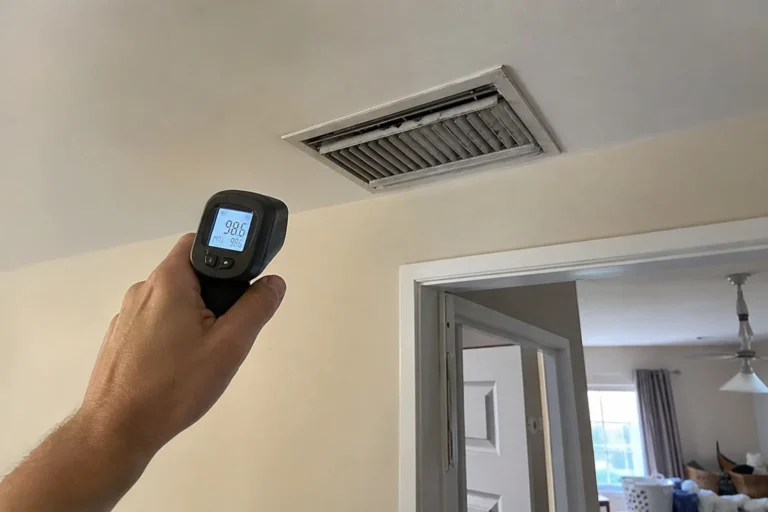
Do you have rooms that are always warmer than others, even after thermostat adjustments. That is often a roof heat issue, not a thermostat issue. In those cases, commercial thermostat programming may help, but roof heat control is often the missing piece.
Commercial Radiant Barrier Installation is often paired with ventilation and duct corrections for best results. A radiant barrier works best when the attic has the right airflow and the duct system is not leaking or poorly insulated. If the attic is trapping heat, a barrier helps, but ventilation keeps the attic from holding that heat all day. We often coordinate with commercial attic ventilation upgrades so the barrier and airflow work together.
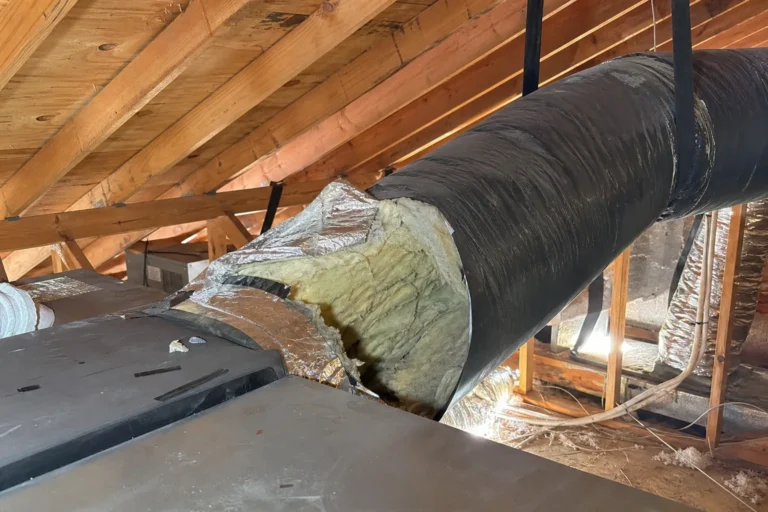
We look at the whole system because commercial comfort complaints rarely come from one cause. You might have duct leakage, missing insulation, return side issues, or ventilation problems that all stack up. When needed, we also recommend commercial air duct testing to verify what is happening in the duct system.
If you have rooftop units, we also pay attention to how the roof assembly and plenum spaces interact with your HVAC loads. For sites with rooftop equipment, commercial rooftop unit services may be part of the overall plan.
Commercial Radiant Barrier Installation in Pasadena is a smart choice when cooling runs long and spaces still feel warm. You do not need to wait for a total comfort meltdown to act. Many owners and facility managers schedule a radiant barrier install after a season of heavy cooling use and constant complaints. If you want baseline performance checked first, schedule commercial HVAC inspection and tune up.
Quick question are you cooling the people, or cooling the roof. If it feels like the roof is winning, a radiant barrier may be the missing piece. For background on radiant heat, see Radiant barrier.
Commercial roof heat gain comes from sun load, dark roofing, and trapped attic heat. Heat gain is not always about outside air getting in. Roof assemblies absorb solar energy and pass it inward by radiation and conduction. Dark or older roofing materials often absorb more heat. Limited attic ventilation can keep temperatures elevated for hours after peak sun. If insulation levels are inconsistent, commercial attic insulation replacement may be part of the solution.
A radiant barrier helps most when your roof assembly is acting like a heat lamp aimed at your ceiling. If roof heat is forcing long runtimes, commercial HVAC system repair may still be needed after load is reduced.
Need Help? Call for Heating & Air Services
Our on site evaluation starts with the building layout, attic access, and HVAC conditions. We begin by understanding your building use and comfort goals. A small office that needs steady comfort is different from a warehouse that mainly needs lower peak heat. We also check access points and safety requirements for commercial spaces. If the HVAC side needs a wider review, we can include HVAC maintenance planning.
If your attic access is tight, we will tell you what is practical. No surprises, no mystery steps. If access limits coverage, we may also discuss commercial attic insulation removal when repositioning is necessary.
We recommend the install approach based on your roof deck, attic use, and interference points. Commercial buildings vary a lot. Some have open truss attics. Others have tight cavities with limited movement. Some have mechanical chases that complicate a clean layout. When a building needs additional thermal work, we may pair this with attic insulation replacement planning.
We also consider how your space is used. If you have sound sensitive areas, we plan work hours and access routes that reduce disruption. If comfort varies by zone, HVAC zoning setup can complement heat gain control.
The installation process focuses on coverage, airflow, and safe clearances. A radiant barrier is only useful when it is installed correctly. Gaps, sagging material, and blocked vents can reduce performance. We take time to keep the barrier flat, properly fastened, and clear of heat sources. When ducts are in the work area, we coordinate with commercial air duct maintenance needs we spot along the way.
We keep it practical. The goal is a barrier that stays in place and does not interfere with airflow. If airflow remains uneven after heat reduction, airflow balancing can be the next step.
Ventilation and radiant barriers must work together, not fight each other. A barrier reflects radiant heat, but ventilation moves hot air out. If the barrier blocks vents, the attic can trap heat and moisture. That is why we check vent locations and keep the airflow paths open. If airflow hardware needs improvement, we recommend commercial attic ventilation upgrades.
If your building has powered attic fans or exhaust systems, we confirm they are not pulling conditioned air from the occupied space. If system pressures look off, we may suggest commercial duct balancing.
| Component | What we check | Why it matters |
|---|---|---|
| Intake vents | Clear paths at soffits or lower vents | Feeds cooler air into attic space |
| Exhaust vents | Ridge, gable, or roof vents are open | Lets hot air leave the attic |
| Duct routing | Ducts are insulated and supported | Reduces heat pickup and loss |
| Clearance | Space from lights and heat sources | Helps prevent heat related issues |
We can coordinate radiant barrier work with duct insulation, sealing, and airflow corrections. Radiant barriers help, but duct problems can still cause comfort complaints. Many commercial buildings in CA have ducts that were modified over time, leaving joints loose or insulation damaged. When duct issues are suspected, we may recommend commercial air duct repair or commercial air duct replacement depending on condition.
If you have multiple tenants, we can focus on the hottest zones first and expand work as access allows. If the building needs broader coverage, we can align timing with commercial HVAC system maintenance.
Most projects take a day to a few days depending on attic size and access. Time depends on square footage, roof framing complexity, and how many obstacles exist. A wide open attic moves fast. A tight space with lots of ducting, wiring, and platforms takes longer. If you are planning other work like commercial air duct installation, we can help schedule in a sensible order.
We will give you a realistic schedule based on what we see onsite. If cooling performance is still strained, we can discuss commercial AC installation planning after load reduction.
Safety matters because commercial attics have heat, wiring, and fall risks. Attic work is not the place for guesswork. Commercial buildings can have high voltage wiring, low visibility, and weak ceiling surfaces that are not meant to be walked on. If you suspect an urgent HVAC issue during extreme heat, consider commercial emergency HVAC services.
If someone says, It is fine, just step on the drywall, it is time to back away. Drywall is not a walkway. It is a ceiling. For general attic safety guidance, review OSHA fall protection.
You can prepare your building in a few simple steps before we arrive. Preparation speeds up the work and reduces disruptions. If you have tenants, advance notice prevents access delays and confusion. If you are coordinating other work like commercial air duct cleaning, let us know so we can stage the sequence.
Do you have a maintenance log of HVAC complaints. If yes, it helps us connect patterns to roof heat gain. Logs also support decisions about commercial HVAC system repair versus load improvements.
After installation, you should monitor comfort patterns and HVAC run behavior. You may notice that peak afternoon temperatures feel more stable and that top floor spaces recover faster after doors open. Changes are often most noticeable during sunny days. If you want to confirm performance after the change, HVAC inspection can help verify airflow and equipment response.
If something feels off, call us. Sometimes a vent path needs a small adjustment, or a duct issue becomes more obvious once roof heat is reduced. In that case, air duct repair may be the next practical step.
Pasadena conditions make roof heat control a practical priority for many commercial buildings. Pasadena gets plenty of sun, and many commercial properties have roof lines that soak up heat for long stretches of the day. Add a busy schedule, doors opening often, and mixed occupancy loads, and cooling can feel like a constant race. For buildings with chronic runtime issues, commercial AC maintenance can help keep the system stable while you reduce heat gain.
Commercial comfort is not just about the thermostat setting. It is about controlling how much heat the building absorbs in the first place. For the local climate context, see Pasadena California.
Pioneers Heating & Air focuses on practical commercial solutions that support your HVAC system. We work as an HVAC contractor, so we look at radiant barriers through the lens of system performance and comfort. That keeps the job grounded in what your building actually needs, not what sounds good on paper. If you want to learn more about our team, visit About Us.
If you have multiple units, multiple zones, or multiple people complaining, you are not alone. Commercial buildings are great at producing opinions about temperature.
Commercial Radiant Barrier Installation in Pasadena should start with a conversation about your building and goals. If you want steadier comfort and less roof driven heat gain, we are ready to help you plan the right approach. We will look at your attic, your duct layout, your ventilation, and your usage patterns, then recommend a clean install plan. If you are also considering non commercial options for another property, see radiant barrier installation.
For Commercial Radiant Barrier Installation in Pasadena, call Pioneers Heating & Air at (626) 217-0559 or schedule through our Contact Us page.
Hot upstairs rooms can point to attic heat, air leaks, duct losses, or airflow trouble instead of an AC problem...
Uneven room temperatures, weak airflow, dust near vents, and long AC cycles can point to leaky attic ducts. Check the...
AC cleaning removes buildup from key cooling parts. Learn the signs that point to cleaning, routine maintenance, or a repair...