What Does AC Cleaning Include, and When Is It Worth Scheduling?
AC cleaning removes buildup from key cooling parts. Learn the signs that point to cleaning, routine maintenance, or a repair...
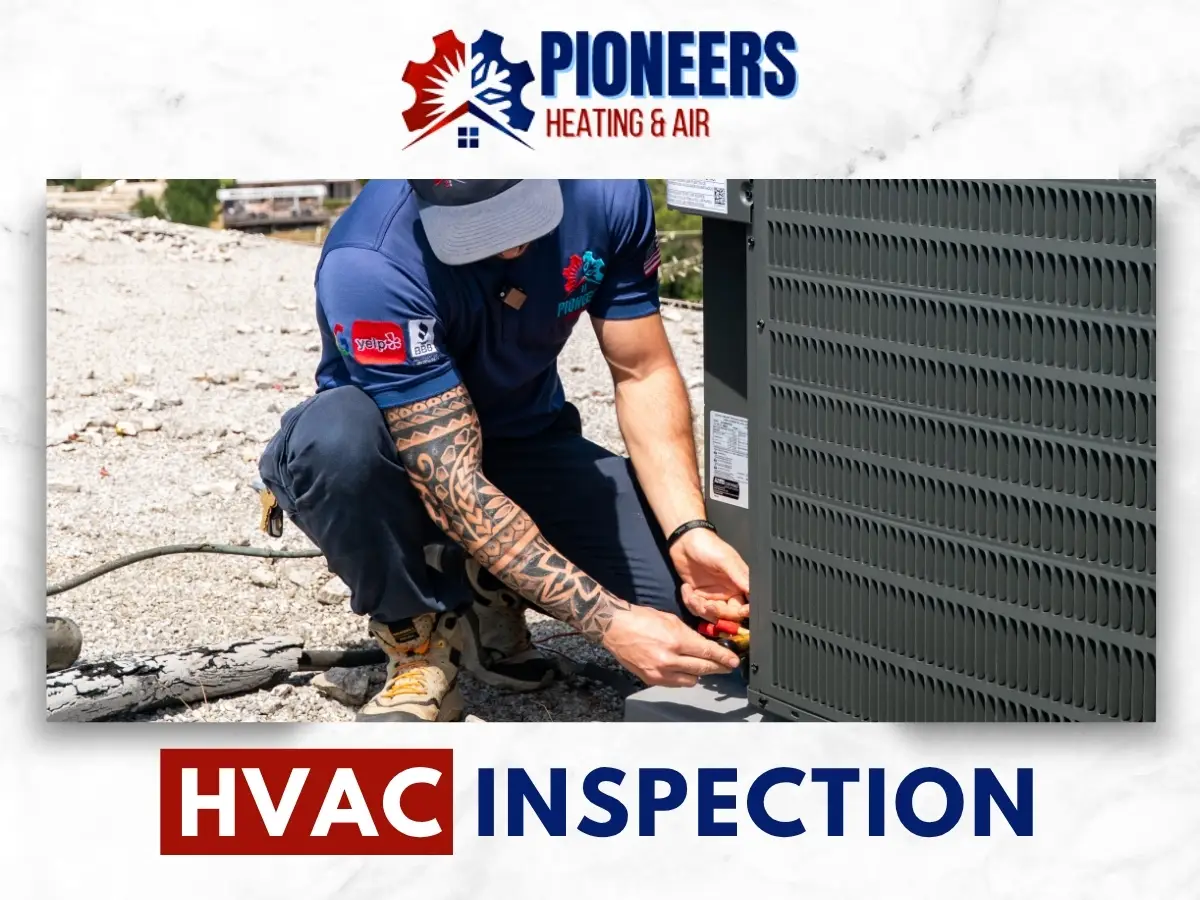
Pioneers Heating & Air provides HVAC Inspection to keep your system safer, steadier, and easier to live with in Pasadena, CA. HVAC Inspection in Pasadena helps you spot safety risks, airflow problems, and wasted energy before they turn into a breakdown. We check your heating and cooling system, document what we find, and explain your next steps in plain language so you can make smart choices for your home in Pasadena, California.
Need Help? Call Pioneers Heating & Air near you
An HVAC Inspection is a full check of your heating and cooling system for safety, performance, and wear. Most homeowners think of an inspection as a quick look, but a real HVAC inspection is a step by step review of how your system runs. We check the equipment, the electrical side, airflow, controls, and drainage. We also look for early signs of damage that can lead to leaks, short cycling, or uneven temperatures.
A good inspection answers practical questions. Is the system operating within normal ranges. Is anything overheating or failing. Is airflow being choked off by a dirty filter, a blower issue, or a duct problem. You get clear findings, not guesswork.

If you are planning to stay in your home for years, inspections help you keep the system steady. If you are planning to sell, inspections can help you catch items that may come up later during a buyer walk through.
If you want routine care instead of a one time review, consider HVAC maintenance or a seasonal HVAC tune up as a steady plan.
You may need an inspection if comfort has gotten worse or the system has started acting weird. Small changes are often the first clue that something is off. You might still get heating or cooling, but the system works harder than it should. That extra strain tends to show up as noise, longer run times, or rooms that never feel right.
Are you noticing that one bedroom is always warmer than the rest. Does the system feel like it runs forever but the house still feels sticky. Those are solid reasons to schedule a visit. If the issue feels urgent, HVAC troubleshooting and diagnostics may be the next step.
Many HVAC problems start with airflow restrictions, electrical wear, or drainage issues. A lot of breakdowns do not start with a dramatic failure. They start with something small that gets ignored. That is why inspections matter. We look for the small things before they grow teeth.
If your system is running but not keeping up, the cause may not be the big parts. It may be something simple that has been quietly dragging performance down. When repairs are needed, we can point you toward HVAC repair or targeted AC repair when cooling is the issue.
Our inspection visit follows a consistent, easy to understand process. We start by listening to what you have noticed, then we verify it with measurements and visual checks. That keeps the visit focused on what matters in your home.
You will not get a pile of confusing jargon. You will get straight talk about what is normal, what is not, and what should be handled first. If airflow is a key concern, we may recommend airflow balancing or a deeper ductwork inspection.
Need Help? Call for Heating & Air Services
Safety checks focus on fire risk, electrical trouble, and indoor air concerns. Safety is not just about comfort. A heating and cooling system has moving parts, electrical loads, and in many homes, combustion. We watch for issues that can put your home at risk.
If something looks unsafe, we will tell you plainly and explain what to do next. No drama. No scare tactics. Just clear information. For broader background on indoor air concerns, you can read about indoor air quality.
Efficiency tips usually come down to airflow, clean heat transfer surfaces, and proper control settings. Most efficiency losses are not mysterious. They come from the system struggling to move air or exchange heat. If the system cannot breathe, it cannot perform.
If you want, we can also point out habits that quietly waste energy. Closing too many vents is a classic. It feels like it should help, but many systems hate it. If duct loss is found, duct sealing can be a practical fix.
Inspection findings are shared in a clear report you can actually use. You should not need a dictionary to understand your own HVAC system. We explain what we saw, where we saw it, and why it matters.
If you are the type who likes a simple snapshot, here is how we often group results. If the priority points toward corrective work, we can help with HVAC repair or planning for HVAC replacement when the system is near end of life.
| Priority | What it usually means | What you do next |
|---|---|---|
| High | Safety risk or system may fail soon | Schedule repair soon and limit use if needed |
| Medium | Performance problem or wear is building | Plan a repair and monitor symptoms |
| Low | Maintenance or minor improvement | Handle during routine upkeep |
Do you want the shortest path to what should I do first. We will give you that.
Inspections can cover split systems, heat pumps, packaged units, and ductless setups. Pasadena homes are a mix of styles, ages, and system types. Some have a classic furnace and AC split system. Others use a heat pump for both heating and cooling. Some homes use ductless mini splits for room by room comfort.
If you are not sure what type you have, that is normal. You can tell us what you see, and we will take it from there. If you are considering upgrades after the visit, we can talk through HVAC installation, heat pump installation, or mini split installation.
Timing is usually straightforward, but access and system condition can slow things down. Most inspections fit neatly into a normal appointment window. The biggest delays are not the checks themselves. The delays come from tight attic access, blocked closets, or a system that is already failing and needs extra troubleshooting.
If we run into something unexpected, we will explain what we can confirm right away and what may need follow up work. For stubborn comfort problems, HVAC troubleshooting and diagnostics can help narrow down the root cause.
You should stop and call a pro if you notice burning smells, repeated breaker trips, or water around equipment. Some symptoms should not be ignored. If you see them, turn the system off and reach out.
A system can sort of work while still being unsafe. If something feels off, trust that instinct. If you need fast help, ask about emergency HVAC services.
You can prepare for our visit in a few simple steps that save time. A little prep makes the inspection smoother. It also helps us focus on the equipment, not on moving storage bins.
Do you have pets that get curious about tools and open doors. Let us know. We like pets, but we also like keeping everyone safe. If controls are part of the issue, we can also help with thermostat programming and thermostat installation.
After the inspection, basic upkeep helps you keep the system steady between visits. An inspection gives you a snapshot. Ongoing habits help keep that snapshot from changing in the wrong direction.
If you want better comfort, start with airflow. Most comfort complaints trace back to air movement, not thermostat settings. If ducts are part of the story, air duct maintenance or air duct repair may be recommended.
Pasadena weather and home layouts create a few common inspection themes. Pasadena, CA swings from cool nights to hot afternoons, especially in summer. That temperature change can expose weak airflow, duct leakage, and control issues.
If your upstairs feels like a different zip code than downstairs, you are not alone. We will explain what is causing it and what options make sense. Options may include HVAC zoning setup, ventilation upgrades, or sealing work like attic air sealing.
Homeowners call Pioneers Heating & Air because they want straight answers and clean work habits. You deserve a contractor who respects your home and your time. We show up ready to inspect carefully, explain what we find, and leave your space clean.
We also know that HVAC problems love bad timing. They pick the hottest week or the coldest night, like they have a calendar. Regular checks help you stay ahead of that. If inspection results point to a bigger change, we can discuss AC replacement or broader HVAC replacement.
Scheduling HVAC Inspection in Pasadena is simple when you are ready to get clear answers. If you want fewer surprises and better comfort, an inspection is a solid next step. HVAC Inspection in Pasadena is also helpful before the heavy cooling season, after a remodel, or any time the system starts acting different.
Call (626) 217-0559 to book your HVAC Inspection. You can also schedule through our Contact Us page. If you tell us what symptoms you are seeing, we will arrive prepared and keep the visit focused.
AC cleaning removes buildup from key cooling parts. Learn the signs that point to cleaning, routine maintenance, or a repair...
An AC that keeps running but leaves rooms warm may have an airflow, coil, duct, thermostat, refrigerant, or equipment problem....
A ductless mini-split may cool a garage, ADU, or sunroom without extending central ductwork, but the room, electrical setup, drainage,...