Why Upstairs Rooms Stay Hot With AC
Hot upstairs rooms can point to attic heat, air leaks, duct losses, or airflow trouble instead of an AC problem...
Get Duct Sanitizing In Pasadena from Pioneers Heating & Air for fresher indoor air and cleaner vents. Transparent pricing and convenient scheduling. Call today

Duct sanitizing clears out odor causing buildup and helps your HVAC system deliver cleaner air through your vents. Pioneers Heating & Air handles Duct Sanitizing In Pasadena with careful inspection, the right products for HVAC use, and clean work habits that respect your home. If your vents smell musty or your allergies act up indoors, we can help.
Need Help? Call Pioneers Heating & Air near you
Duct sanitizing focuses on the inside surfaces your air passes over. Duct sanitizing targets bacteria, mold like growth, and odors that can linger in ductwork, vents, and certain HVAC components. It is not the same thing as changing a filter or wiping down vent covers. It is also not a shortcut for fixing moisture or a damaged duct run.
Sanitizing works best as part of a bigger plan. That plan may include air duct cleaning, duct sealing, fixing drainage issues, or improving filtration. Want the simplest way to think about it. Cleaning removes debris, and sanitizing helps address what you cannot see.
If you are unsure what you need, we can explain what we find and what each step is meant to do. No pressure. Just clear options.

You may need duct sanitizing when your nose tells you something is off. Odd smells and irritation indoors often show up before you notice anything else. Many homes in Pasadena, California run heating at night and cooling during warm stretches, so air moves through the ducts for long periods. That steady airflow can spread odors and contaminants quickly.
Do you notice the smell only in cooling mode, only in heat, or both. That detail can point to where the source sits.
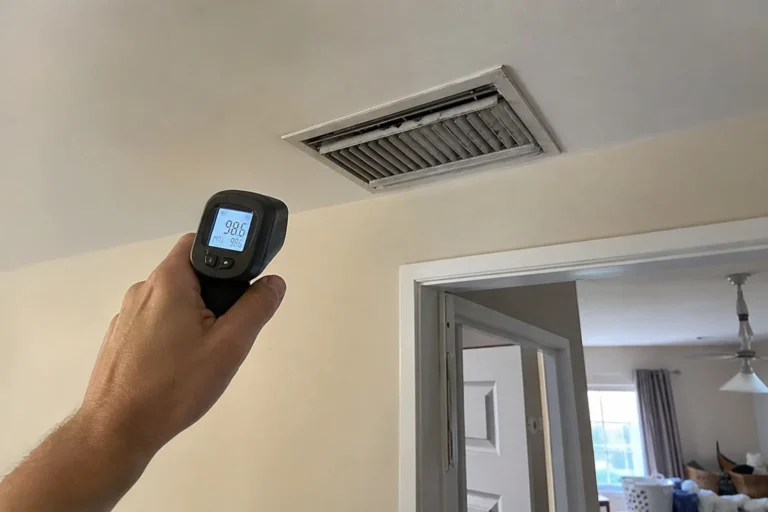
If odor issues come with comfort problems like weak airflow or uneven rooms, an HVAC inspection or ductwork inspection can help confirm what is going on.
Lingering moisture is a common reason ducts start to smell. Moisture is the fuel for many indoor air problems. Ducts can pick up moisture from several places, and it does not take a major flood to cause trouble. Small, repeated humidity events can do it.
If a duct system keeps getting damp, sanitizing alone will not last. We focus on the why so you are not calling again for the same smell next month. In many cases that starts with air duct repair, air duct maintenance, or system checks tied to HVAC maintenance.
Dust, dander, and past construction debris can hold odors inside ductwork. Air ducts can act like a long hallway where particles settle and stay put. That settled material can collect pet dander, cooking residue, smoke residue, and general household dust. Once odors latch onto that layer, the HVAC fan can spread the smell each cycle.
If a home had past remodeling, sanding, or drywall work, the ducts may have collected fine debris. That debris can also affect airflow and make filters load up faster. When buildup is the main issue, air duct cleaning and AC cleaning can be the right companion steps.
Our visit starts with a clear check of the system and the spaces it serves. We begin by listening to what you have noticed and where. That helps us avoid guesswork. Then we inspect the parts that most often affect air quality and odor.
If we see signs that point to a bigger issue, we will explain it in plain language. If sanitizing is not the right next step, we will tell you. When troubleshooting is needed, we may recommend HVAC troubleshooting and diagnostics to narrow down the source.
Need Help? Call for Heating & Air Services
Duct sanitizing is performed with HVAC appropriate products and controlled application. We use products intended for HVAC use and apply them where they belong, not sprayed randomly into the home. The goal is to treat the surfaces that air contacts while keeping the process neat and controlled.
We also explain what you might smell right after service. Some products have a mild, clean scent that fades. If you are sensitive to smells, tell us up front so we can plan the best approach. If airflow is not where it should be, we may suggest airflow balancing as part of the plan.
Sanitizing often pairs well with targeted cleaning in problem areas. Sanitizing works best when the surfaces are not coated in heavy debris. If ductwork has thick dust layers or signs of contamination, cleaning first makes the sanitizing step far more effective.
Some homes do not need a full duct cleaning. Others do. We will show you what we see and explain why a certain scope makes sense. Depending on what we find, we may recommend air duct maintenance or air duct repair to keep results lasting.
Here is a simple way to compare cleaning and sanitizing. This quick table helps clarify what each step is meant to accomplish.
| Service step | Main purpose | Best time to do it |
|---|---|---|
| Duct cleaning | Remove dust, debris, and particle buildup | When ducts are dirty, after remodeling, or after pest issues |
| Duct sanitizing | Reduce odor causing microbes on treated surfaces | When odors persist, after moisture issues are corrected, or after cleanup |
If you are dealing with ongoing water problems, we focus on solving the water source first. Otherwise you are treating symptoms, not the cause. In some cases that means addressing system performance with HVAC tune up.
Timing depends on home size, access, and how the ducts are laid out. Many duct sanitizing visits fit into a standard service window, but a few factors can slow things down. Older homes can have tight attic access, unusual duct paths, or past repairs that make sections harder to reach.
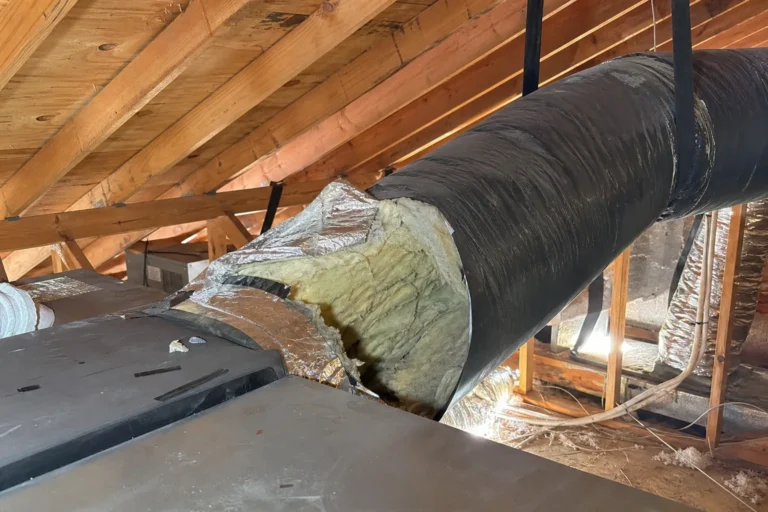
If we find damaged ducts or disconnected runs, we will talk through options. A sanitizer cannot fix a torn flex duct. When replacement is the right move, we may recommend air duct replacement or air duct installation.
Safety matters most when you suspect active mold, sewage odor, or pests. Some situations call for stopping and getting help quickly. If you smell sewage near vents, see wet insulation, or notice rodent droppings, do not keep running the system and hope it goes away. That can spread contaminants through the home.
We can inspect your HVAC equipment and duct system and help you choose the next step. If another trade is needed for a non HVAC issue, we will say so plainly. For urgent situations, consider emergency HVAC services.
You can prep in a few minutes and make the visit smoother. A little access goes a long way, especially if the air handler is in a closet or attic. You do not need to deep clean your house for us. Just clear the work areas so we can move carefully and safely.
Have you noticed the odor after rain, after cooking, or only after the AC runs for a while. Small details help us narrow down the cause faster. If comfort issues show up at the thermostat, thermostat programming or thermostat installation may also be part of the bigger solution.
After service, smart filter habits help keep the ducts fresher. A clean filter that fits correctly is your first line of defense. If air can slip around the filter frame, dust will bypass it and settle inside the system.
If odors return, pay attention to timing. Does it start after the system runs for 10 minutes. Does it happen only in one hallway. Patterns help pinpoint the source. For ongoing cleanliness and airflow, air duct maintenance and ventilation upgrades can help.
Pasadena conditions can push dust and odors into the HVAC system. Pasadena, CA homes deal with a mix of seasonal heat, dry stretches, and occasional humid pockets. That mix can create two common problems, dust that builds up quickly and moisture that shows up where you least want it.
If your home has an attic HVAC unit, duct integrity matters a lot. A small gap can pull in hot, dusty attic air and spread it everywhere. Sealing those leaks with duct sealing can make a noticeable difference.
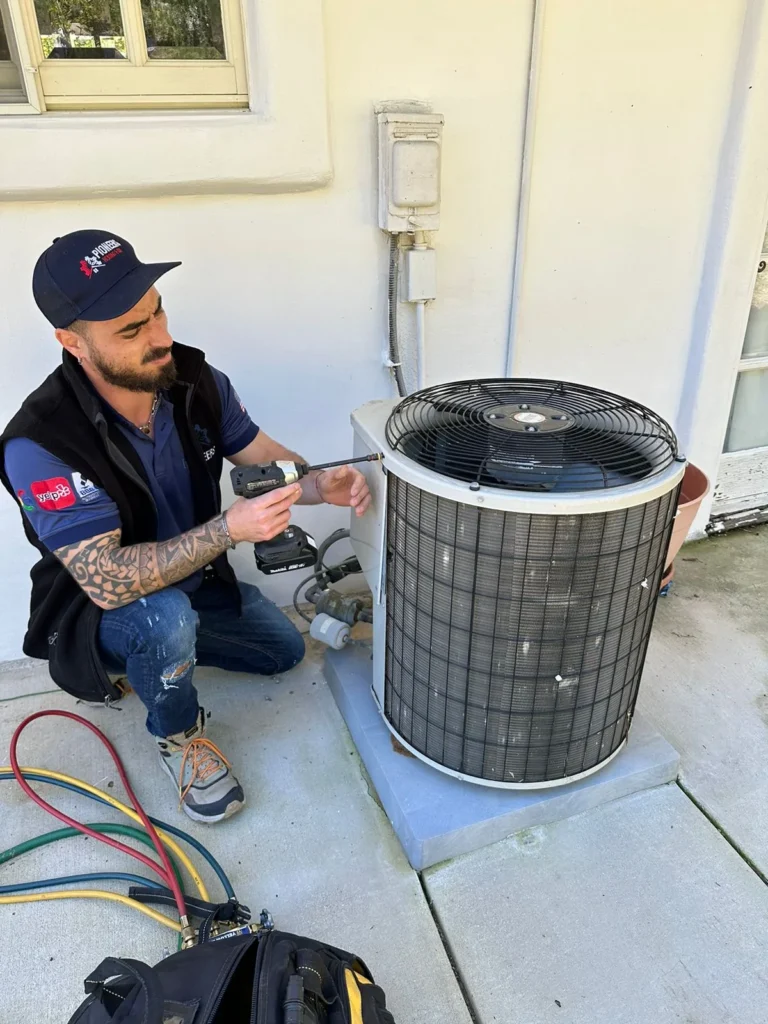
Homeowners call us because they want straight answers and clean work. Pioneers Heating & Air approaches indoor air issues like a comfort problem, not a mystery novel. We inspect, explain what we see, and recommend steps that match the situation. We also respect your home, keep the workspace tidy, and communicate clearly from start to finish.
If you are comparing options, ask this simple question. What is causing the odor or irritation in the first place. A good plan answers that. If your system needs broader support, we can also help with HVAC repair or HVAC installation as needed.
Duct sanitizing helps most when the HVAC system is also running the way it should. Air quality and system performance are connected. If airflow is weak, a coil is dirty, or a return is leaking, you may keep getting the same smell even after treatment. We look at the full picture so your comfort improves, not just the scent.
If we suggest a repair, we will explain how it ties to your air quality concerns. No confusing jargon. No mystery steps. Depending on what we find, that may include AC maintenance or AC repair.
Schedule service by phone or online when you are ready to breathe easier indoors. If your vents smell musty, your home feels dusty, or your allergies spike indoors, it may be time for Duct Sanitizing In Pasadena. Pioneers Heating & Air is ready to inspect your system, explain what we find, and complete the right service steps for your home in Pasadena, California.
Call (626) 217-0559 or use our Contact Us page to schedule Duct Sanitizing In Pasadena.
Many products are designed for HVAC use, but suitability depends on the specific product and your household sensitivities; a qualified technician can discuss options and precautions.
Hot upstairs rooms can point to attic heat, air leaks, duct losses, or airflow trouble instead of an AC problem...
Uneven room temperatures, weak airflow, dust near vents, and long AC cycles can point to leaky attic ducts. Check the...
AC cleaning removes buildup from key cooling parts. Learn the signs that point to cleaning, routine maintenance, or a repair...