Why Upstairs Rooms Stay Hot With AC
Hot upstairs rooms can point to attic heat, air leaks, duct losses, or airflow trouble instead of an AC problem...
Book Attic Ventilation Upgrades In Pasadena with Pioneers Heating and Air for cooler attics, lower energy bills, and better moisture control. Get a quote today

Attic Ventilation Upgrades in Pasadena help move hot, trapped air out of your attic and bring in fresh air, so your home feels steadier and drier. Pioneers Heating & Air handles attic ventilation upgrades in Pasadena by checking airflow, spotting blockages, and improving intake and exhaust. Attic ventilation upgrades in Pasadena also help reduce moisture trouble.
Need Help? Call Pioneers Heating & Air near you
Attic ventilation upgrades improve attic airflow so heat and moisture can escape. A well vented attic should breathe. That steady air exchange helps protect insulation, roof materials, and the comfort you feel inside your home. If your attic holds heat like an oven, your living space often pays the price.
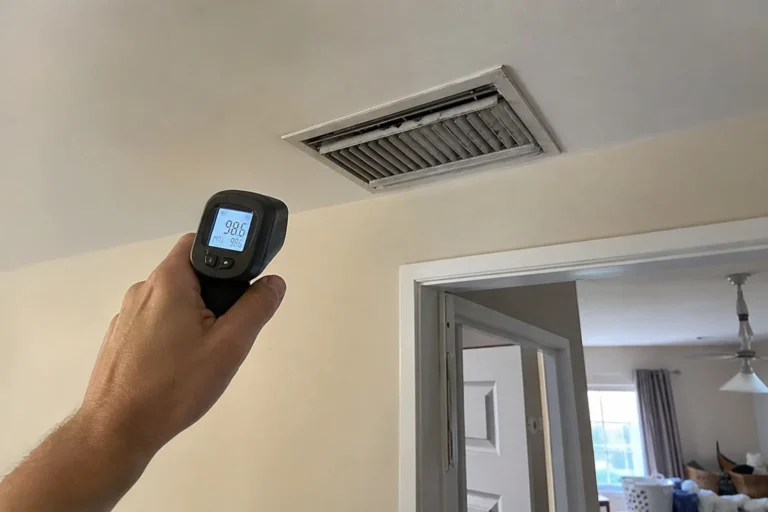
Do you notice upstairs rooms running warmer than they should, even when your AC is working hard. That is often a clue that attic heat is pushing down into the home, and it may be time to consider ventilation upgrades along with a broader look at overall airflow.

Attic ventilation upgrades usually focus on two paths for air.
Both sides matter. Too much exhaust without enough intake can pull air from places it should not, including your living space. Too much intake with weak exhaust can leave heat stuck up top. Our job is to get the balance right for your roof style and attic layout.
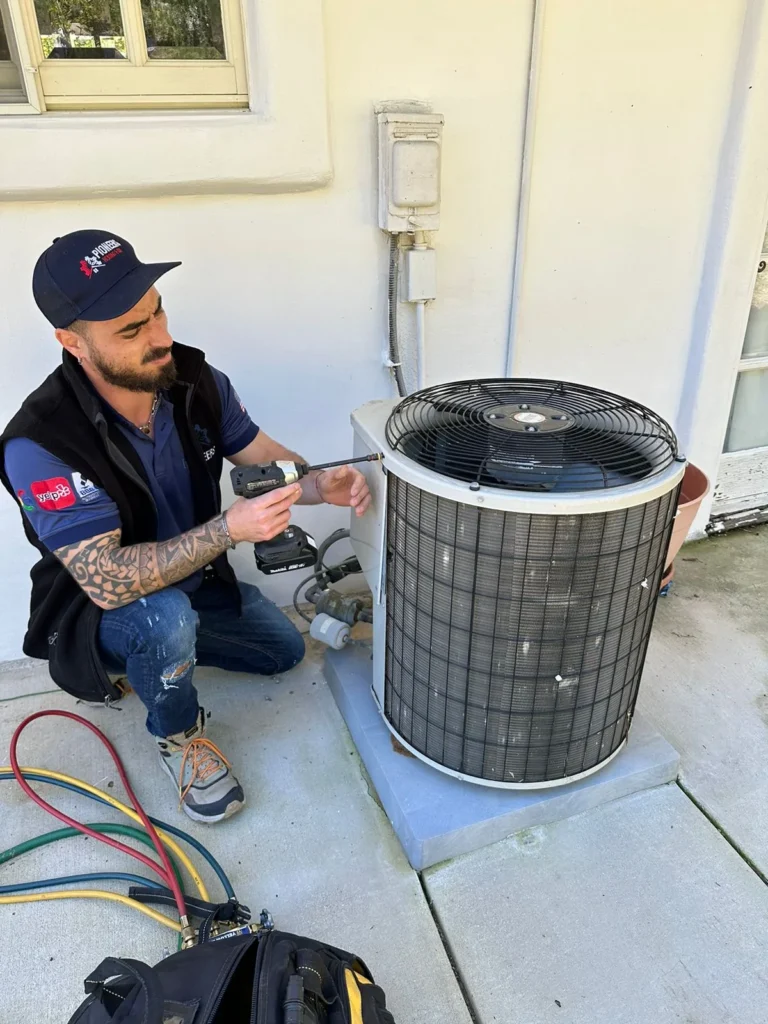
When attic heat stays trapped, your cooling system may run longer to keep up. If you are already seeing long run times, pairing attic work with AC maintenance can help you understand what is coming from the attic and what is coming from the equipment.
You may need ventilation help if you see heat buildup, moisture marks, or uneven comfort. Your attic usually tells on itself. Small warning signs can lead to bigger issues if they keep going through hot Pasadena summers and cool, damp nights.
Some homes also have vents that were added over time without a plan. A random mix of roof vents may look like it should work, but airflow can short circuit. That means fresh air enters and exits too close together, leaving other attic areas stagnant.
In CA, heat and seasonal moisture shifts can make small ventilation problems show up faster, especially in upstairs rooms.
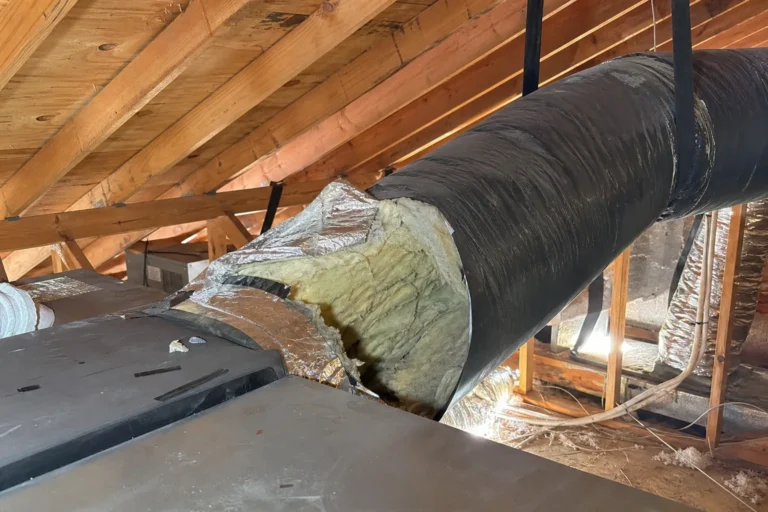
Poor attic airflow is often caused by blocked intakes, mismatched vent types, or wrong vent placement. Most attic ventilation problems are not mysterious. They usually come from a few repeat offenders we see across California homes.
Sometimes the attic is technically vented, but the air path is interrupted. A vent on the roof does not help much if air cannot reach it from the lower edges of the attic. Think of it like trying to sip a milkshake with a kinked straw. You can try harder, but the flow still stinks.
If your system seems uneven from room to room, you may also benefit from airflow balancing so the home feels steadier after attic improvements.
Our visit starts with a full attic airflow check, not guesses from the driveway. Good decisions come from seeing what is actually happening inside your attic. We take time to look at the details that impact airflow and moisture.
If something is unsafe to step on, we do not push it. Attics are full of surprises, and nobody wants a surprise ceiling repair.
We focus on what is accessible and safe, and we explain what we can and cannot reach.
Need Help? Call for Heating & Air Services
We upgrade ventilation by improving intake, improving exhaust, and stopping short circuiting. The right plan depends on your roof design, existing vents, and how your attic is laid out. Many homes need more intake first. Others need better exhaust placement. Some need both.
Intake improvements add clean air where your attic needs it most. Intake is the start of the airflow path. Without it, attic exhaust cannot pull evenly.
A simple baffle can prevent insulation from drifting into the intake area over time. It is not glamorous, but it helps the attic breathe year after year.
If insulation is damp or compromised, it may make sense to plan attic insulation removal before rebuilding the attic airflow path.
Exhaust improvements remove trapped heat and moisture from the top of the attic. Exhaust venting works best when it draws air from low to high, across the underside of the roof deck. If the exhaust vents are too few, damaged, or poorly placed, heat piles up.
We also pay attention to how existing vents interact. Mixing vent types is not always bad, but it can be. The goal is airflow across the attic, not a quick in and out near a single vent.
Vent balancing prevents your attic from pulling air from the living space. An attic that lacks intake sometimes steals air from the home through ceiling cracks, can lights, attic hatches, and duct gaps. That can raise energy use and bring dust into the attic.
If you have ever felt a draft near your attic access, that is a clue your home and attic are swapping air more than they should. If comfort issues remain, a whole home check like an HVAC inspection can help confirm what is driving the problem.
This quick table helps explain common vent types and what they are best at. Different vents do different jobs. Roof style and layout determine what makes sense.
| Vent type | Main role | Common issues we see | Best use case |
|---|---|---|---|
| Soffit vents | Intake | Painted over, covered by insulation | Most homes need strong intake at eaves |
| Ridge vent | Exhaust | Blocked ridge slot, weak intake support | Roofs with a clear ridge line |
| Roof box vents | Exhaust | Too few, poor placement | Roofs without ridge vent options |
| Gable vents | Mixed | Short circuiting with ridge vents | Some attic shapes, older homes |
We look at what you have, what is working, and what is fighting itself. If the attic is also affecting duct performance, we may suggest air duct maintenance as a next step.
Most attic ventilation work can be completed in a single visit, but access and roof layout matter. Many upgrades are straightforward once we confirm the plan. The things that slow a project usually have nothing to do with the vents themselves.
We will walk you through what we find and what steps make sense next. If we cannot safely reach an area, we will tell you and offer practical alternatives. If you need a broader plan for system reliability in California, consider ongoing HVAC maintenance.
Safety matters because attics have fall risks, electrical hazards, and air quality concerns. Attic work looks easy until you are up there. Then you find exposed nails, odd wiring runs, and joists that never land where you want your feet to go.
If you smell strong odors, see heavy staining, or spot obvious electrical issues, stop and call for help. No attic project is worth a trip to urgent care. If comfort problems are severe during heat waves, emergency HVAC services may be the safest way to get quick guidance.
For general attic and insulation safety guidance, review information from EPA indoor air quality.
Pioneers Heating & Air
You can prep your home in a few simple steps to help the visit go smoother. A little prep saves time and keeps your home cleaner.
If the attic access is in a hallway ceiling, consider laying down a towel or drop cloth below it. Attics like to sprinkle a little dust, even when everyone is careful. If dust buildup has been a concern in the home, air duct cleaning can be a helpful companion service.
After upgrades, you should watch for steadier comfort and fewer moisture clues. Better ventilation is not always dramatic on day one, but you should notice changes over time. Many homeowners report a less stuffy feel upstairs and fewer attic smell moments.
Also check your bathroom fans. If a fan duct is loose or ends inside the attic, ventilation upgrades will not fix that moisture source. We can point out issues we see so you can address the real cause. If ducts in the attic are damaged or aging, air duct replacement may be the right next step.
The goal is a drier attic, a steadier upstairs, and less strain on cooling and heating equipment across CA and California seasons.
Pasadena, CA homes deal with strong sun, warm stretches, and seasonal shifts that can push attics to uncomfortable extremes. Even when outdoor temperatures feel fine, roof surfaces can bake in direct sunlight. That heat rises and sits above your ceiling insulation.
Ventilation is only part of the comfort picture, but it is often a missed part. If your AC in California is working hard, and the attic is holding heat, the system is fighting an uphill battle. If your home has airflow issues tied to duct layout, air duct installation adjustments can also support better results.
Pasadena weather swings can make attic moisture clues show up after cooler mornings and then fade by afternoon.
Homeowners choose Pioneers Heating & Air because we focus on practical fixes that match the home. You need clear answers and work that fits your house, not a one size approach. We look at how your attic breathes today, what is blocking it, and what changes will actually improve airflow.
We also know attic ventilation and HVAC performance are connected. A cooler attic can support better duct performance and reduce heat gain into living areas. If your ducts run through the attic, that matters, and services like duct sanitizing can also help when odors are part of the story.
If you are planning major equipment changes, we can also help you think through HVAC installation so the full system and the attic work together.
Scheduling Attic Ventilation Upgrades starts with a call and a clear plan for your home. If your upstairs is too warm, your attic smells musty, or you suspect moisture trouble, it is time to take a closer look. Attic Ventilation Upgrades in Pasadena can make your home feel more consistent through the seasons.
Call (626) 217-0559 or contact us through our Contact Us page to schedule service with Pioneers Heating & Air. We will review what is happening in your attic and recommend attic ventilation upgrades that fit your Pasadena, California home.
Hot upstairs rooms can point to attic heat, air leaks, duct losses, or airflow trouble instead of an AC problem...
Uneven room temperatures, weak airflow, dust near vents, and long AC cycles can point to leaky attic ducts. Check the...
AC cleaning removes buildup from key cooling parts. Learn the signs that point to cleaning, routine maintenance, or a repair...