Why Upstairs Rooms Stay Hot With AC
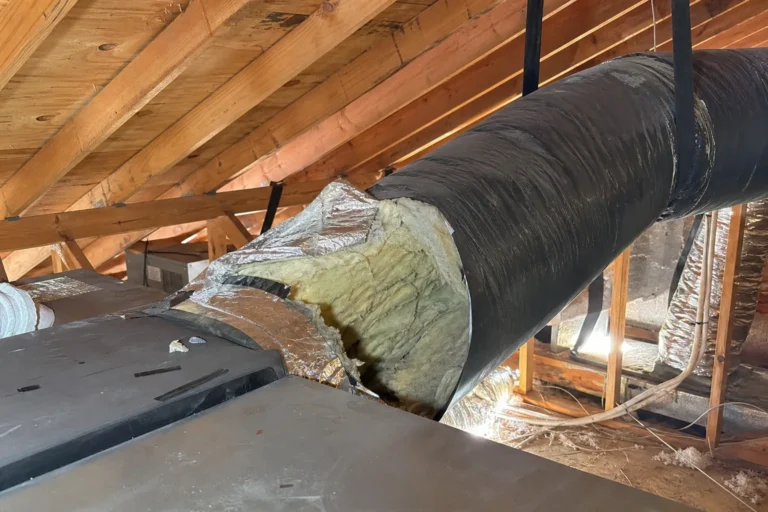
Hot upstairs rooms can point to attic heat, air leaks, duct losses, or airflow trouble instead of an AC problem...
Heat Pump Installation In Pasadena with Pioneers Heating & Air. Get an efficient system, honest pricing, and expert installation. Request a free estimate today
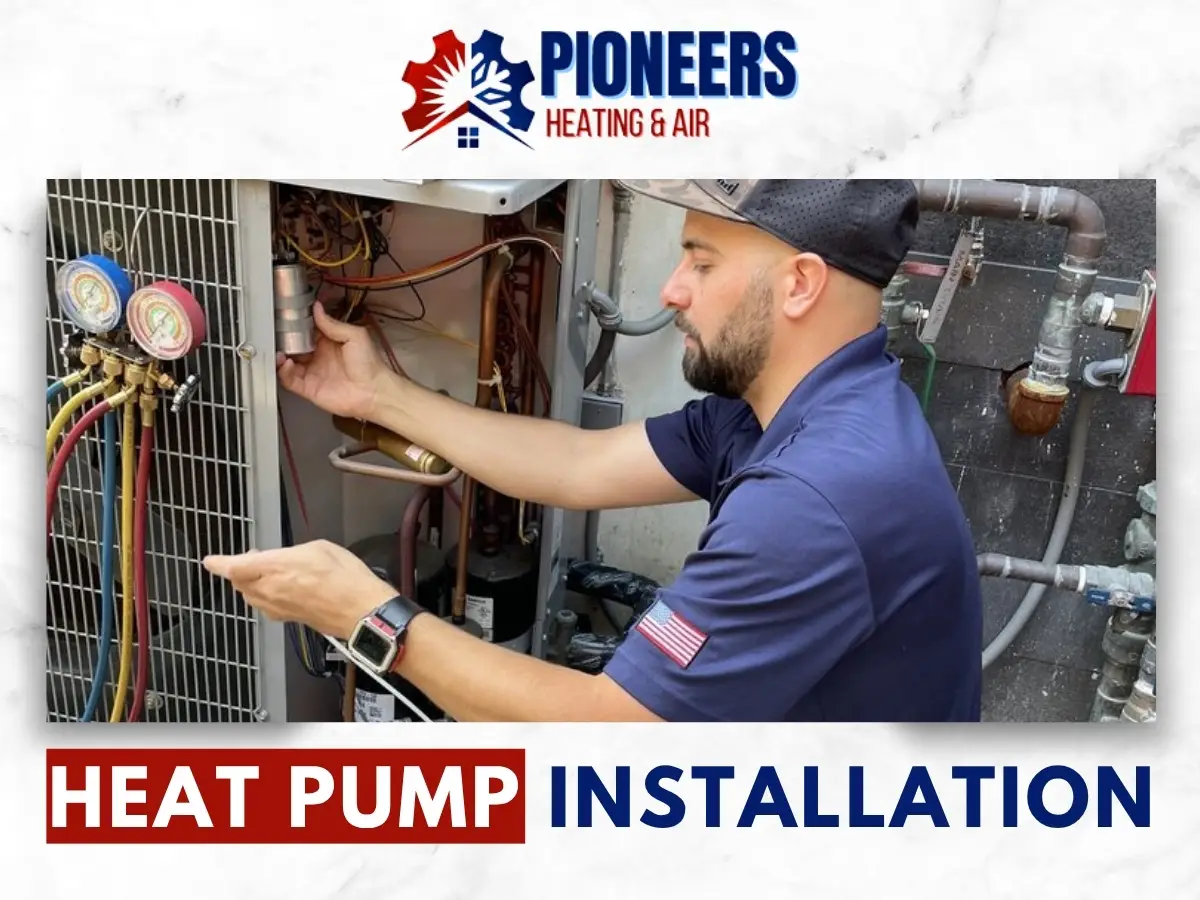
Heat pumps give you heating and cooling from one electric system. Pioneers Heating & Air handles Heat Pump Installation in Pasadena from planning and sizing to clean setup and final testing. If you want steady comfort in CA weather, we install equipment that fits your home, your ductwork, and how you actually use each room.
Need Help? Call Pioneers Heating & Air near you
Heat pump installation is the process of replacing or adding a system that heats and cools using electricity. A heat pump moves heat instead of making it with a flame. In summer, it works like an air conditioner and pushes heat outside. In winter, it pulls heat from outdoor air and brings it inside, even when the air feels cool.
For many homeowners in Pasadena, California, the main benefit is simple. You get one system for both seasons, with steady temperatures and fewer big swings. Are you trying to replace an older AC and furnace combo, or are you adding comfort to a home that never had central air?
Heat Pump Installation also includes the parts people do not see. Correct airflow, proper wiring, safe drain routing, and clean refrigerant line work all matter for how the system performs day to day.

Heat pumps make sense in Pasadena because our seasons reward efficient, steady comfort. Pasadena runs hot in summer, and winter nights can still feel chilly. A heat pump is built for that kind of pattern. It ramps up and down to match the load instead of blasting on and off all day.
Many homes in CA also deal with hot spots. Upstairs rooms, sun facing bedrooms, and additions often run warmer than the rest of the house. With the right system and setup, a heat pump can smooth those differences.
A good install plan also considers your lifestyle. Do you work from home and need comfort in one area all day. Do you keep doors closed for noise or privacy. Those details change the best approach.
If you want a broader view of your options beyond one system type, our HVAC installation services can help frame the right direction.
You may need a new heat pump system if your current HVAC struggles, cycles oddly, or costs more to run than it should. A lot of replacement conversations start after months of small annoyances. Then a big repair shows up at the worst time, usually during the first heat wave.
If you are done guessing what the system will do today, a new heat pump can be a reset. The key is doing it as a full system install, not a quick equipment swap.
Sizing mistakes, duct problems, and old electrical setups are common reasons HVAC upgrades disappoint. A heat pump is only as good as the home system supporting it. If the equipment is too large, it may short cycle. That can leave temperatures uneven and humidity harder to control. If it is too small, it may run constantly and still fall behind on hotter Pasadena afternoons.
Ductwork is another big factor. Leaks, crushed runs, and missing return air can waste a lot of the heating and cooling you are paying for. You can install a great outdoor unit and still feel meh indoors if the duct system cannot move air correctly. Improvements may involve duct sealing or even air duct repair.
Electrical and control issues matter too. Many older systems have patched wiring, aging disconnects, or thermostats that were never set up correctly. During planning, we look at what is there now and what needs to change for safe, stable operation, including thermostat installation when needed.
When the equipment, ductwork, and controls work together, the system feels steady instead of unpredictable.
Our installation visit follows a clear process so you know what is happening in your home. We start by confirming what you want to fix, not just what you want to replace. Comfort problems have patterns, and your notes help us spot them faster.
You should never feel like you have to guess what we are doing. If you want updates during the job, just say so.
Need Help? Call for Heating & Air Services
Ducted heat pump systems are a strong option when your home already has usable ductwork. A ducted heat pump connects to an air handler and uses vents to heat and cool the home. It feels familiar if you already have central HVAC. It can also keep walls clear since the air delivery is through registers, not wall mounted indoor units.
During Heat Pump Installation, we pay close attention to return air. Many comfort complaints come from not having enough return capacity. If the system cannot pull air back properly, it cannot deliver comfort properly either.
Ductless heat pump installation is ideal for homes without ducts or rooms that never feel right. A ductless mini split uses an outdoor unit connected to one or more indoor units. Each indoor unit serves a zone. That zone control is helpful in older Pasadena homes, additions, converted garages, or spaces where duct routing is limited.
If ductless is the direction you are leaning, you can also review our ductless system installation options.
Ductless is also popular for solving that one back room is always cooking problem. It is not magic, but it is pretty close when the room has been ignored for years.
Hybrid approaches can work when you want central comfort plus targeted zoning. Some homes need a mix of solutions. Maybe you want a ducted system for the main house, plus a ductless zone for a room over the garage. Or you want to keep certain areas separate because the home layout does not share air well.
We will walk the space and talk through what a practical layout looks like. The goal is a system that makes sense to live with, not one that looks good only on paper. Many clients compare options alongside HVAC installation planning.
Equipment choice should match comfort needs, noise goals, and how you use the thermostat. Not every feature helps every home. We keep the focus on what you will actually notice after the install.
If you are switching from a gas furnace, the heat will feel different. Heat pumps often deliver warm air that feels less toasty blast and more steady comfort. Many homeowners end up preferring that once they adjust.
Proper placement and airflow planning help prevent noise issues and uneven temperatures. Where the outdoor unit sits matters. It needs breathing room and a spot that makes service access realistic. It also helps to think about bedroom windows, patios, and neighbor fences.
Indoor placement matters too. Air handlers, return grilles, and duct routing can create whooshing sounds if airflow is forced through tight spaces. A quieter system usually comes from good airflow design, not just buying quiet equipment. This is where airflow balancing can make a noticeable difference.
Do you want the outdoor unit hidden from view, or do you care more about best airflow. We can usually balance both, but it helps to talk about it early.
Electrical and safety checks are part of the job because heat pumps depend on stable power. Heat pumps use high voltage power and control wiring. A safe install includes proper disconnects, correct breaker sizing, solid connections, and clean thermostat wiring.
A heat pump should run smoothly. If it is acting angry, turning it off and calling is the smart move. If you suspect a problem after the install, heat pump repair can address it directly.
Timelines are usually straightforward, but access, duct repairs, and permits can add time. Many installations can be completed in a day, though some take longer depending on the scope. The biggest time factors are usually not the equipment brand. They are the conditions in the home and what needs to be corrected around the system.
We will explain the expected timeline before work starts. If something changes once we open up access areas, we will talk it through before moving forward.
Preparing your home ahead of time helps the install go smoother and keeps your space cleaner. A little prep can save time and reduce stress. It also keeps pets, kids, and curious relatives away from tools and open access panels. Everybody wins.
Got one room that never matches the thermostat. Point it out. That detail often leads us straight to the real cause, especially when combined with ductwork inspection findings.
After installation, simple habits keep your heat pump running steady through Pasadena summers. A heat pump does its best work with clean airflow and consistent settings. Many service calls come from clogged filters, blocked vents, or outdoor units buried in leaves.
If you are used to cranking it like an old system, a heat pump may reward you for being a little more patient. It is steady, not dramatic. For long term reliability, consider HVAC maintenance or a seasonal HVAC tune up.
Pasadena, CA homes bring specific install challenges like older construction, additions, and sun exposure. Many Pasadena neighborhoods have a mix of home styles and ages. Older homes may have limited insulation, aging ductwork, or tight equipment spaces. Homes with additions may have two comfort zones fighting each other.
This is why Heat Pump Installation in Pasadena works best with real planning. What works in one California home can fall flat in the next one a few blocks away.
Homeowners choose Pioneers Heating & Air because we focus on clear options and correct setup. You should get straight answers and a system that fits your home. We treat installation like a full comfort project, not a quick box swap. That includes asking questions, checking airflow, and testing performance once the system is running.
If you are considering Heat Pump Installation in Pasadena, we are ready to walk the home and talk through options that make sense for your layout and comfort goals.
This quick table shows how ducted and ductless installs compare in everyday terms. The best choice depends on the home, but these points help many people decide what to explore first.
| Option | Good fit | What you notice day to day |
|---|---|---|
| Ducted heat pump | Homes with workable ducts and a central layout | Familiar vent airflow and one main thermostat |
| Ductless mini split | Homes without ducts or rooms that need zoning | Room by room control and strong comfort in targeted areas |
If you are still unsure, that is normal. A walkthrough makes the decision clearer fast. You can also compare your current system needs with HVAC repair versus full replacement planning.
Getting started is simple, talk with us, schedule a visit, and we will build a plan for your home. A new system should solve problems, not trade them for new ones. We will review your current setup, listen to what you want changed, and recommend a practical path forward.
Call (626) 217-0559 and use our Contact Us page to schedule your Heat Pump Installation with Pioneers Heating & Air in Pasadena, CA.
Hot upstairs rooms can point to attic heat, air leaks, duct losses, or airflow trouble instead of an AC problem...
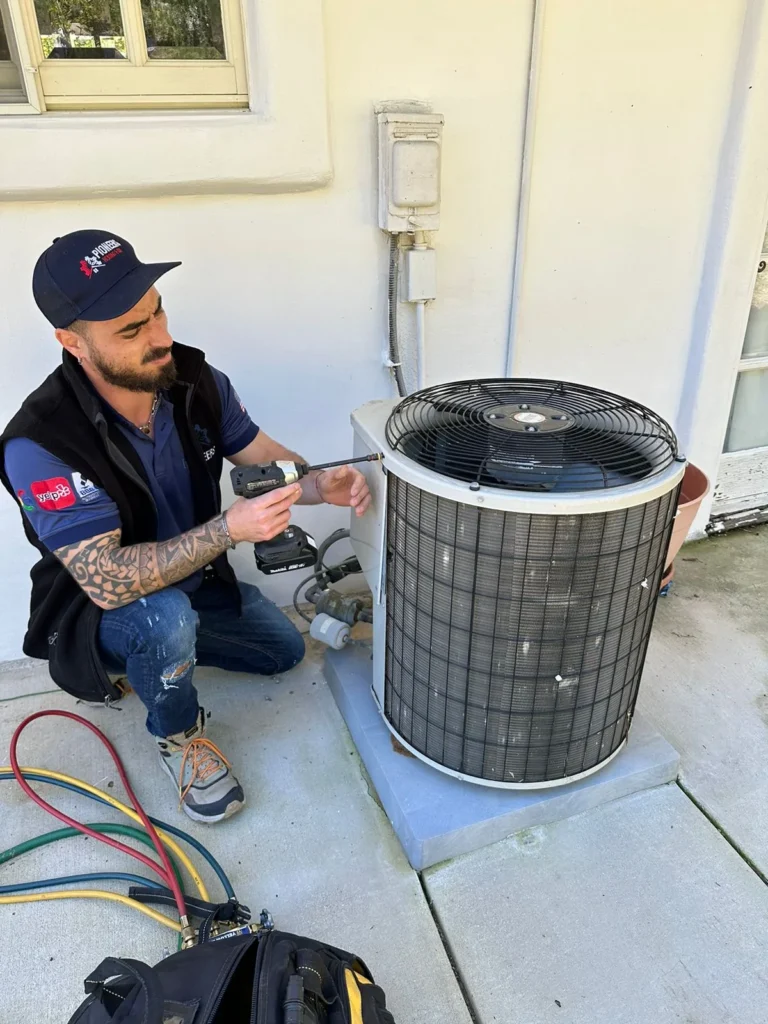
Uneven room temperatures, weak airflow, dust near vents, and long AC cycles can point to leaky attic ducts. Check the...
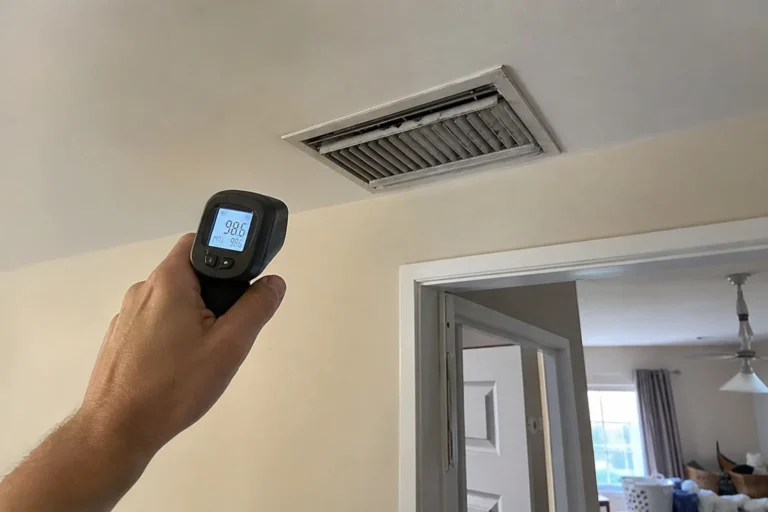
AC cleaning removes buildup from key cooling parts. Learn the signs that point to cleaning, routine maintenance, or a repair...