Why Upstairs Rooms Stay Hot With AC
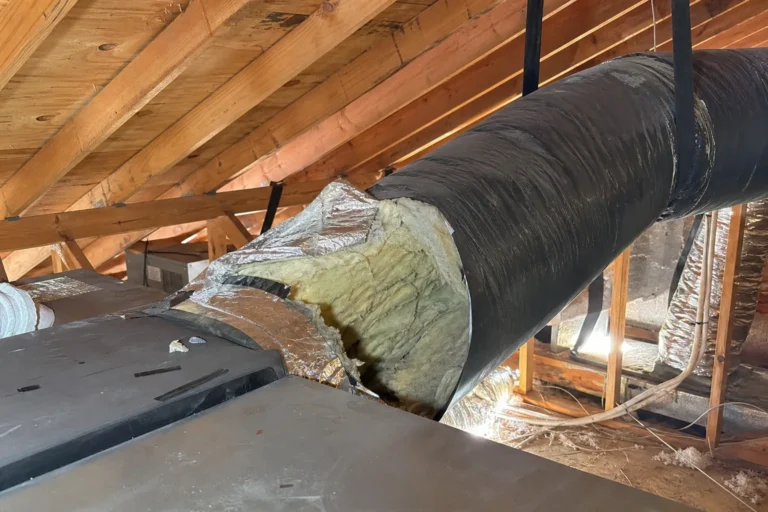
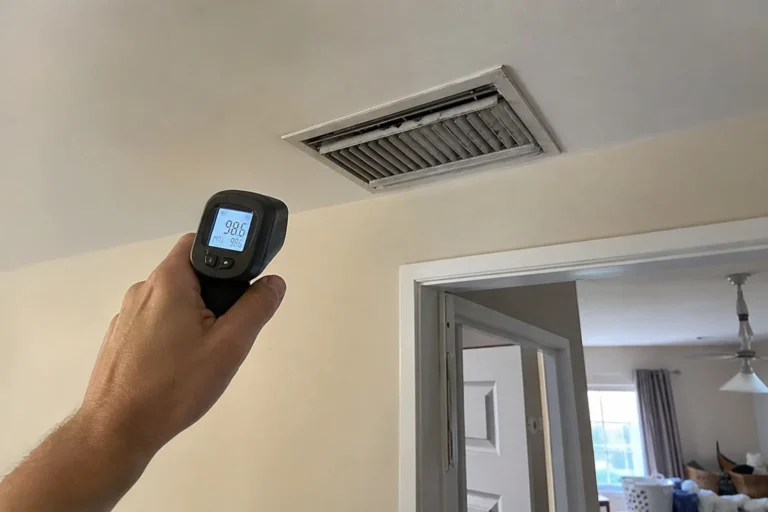
Hot upstairs rooms can point to attic heat, air leaks, duct losses, or airflow trouble instead of an AC problem...
Get Mini Split Installation In Pasadena with Pioneers Heating & Air. Quiet ductless comfort, efficient heating and cooling, upfront pricing, fast scheduling today

Mini-splits give you quiet, room-by-room heating and cooling without ductwork, and the install details matter. For Mini-Split Installation In Pasadena, Pioneers Heating & Air helps you choose the right system, place the indoor and outdoor units correctly, and finish the job with clean wiring, tight refrigerant lines, and careful testing.
Need Help? Call Pioneers Heating & Air near you
A ductless mini-split uses an outdoor condenser and one or more indoor air handlers. Refrigerant lines connect the two, and each indoor unit serves its own space. You get focused comfort where you need it, without pushing air through older ducts. If you are comparing options for your home, you can also review mini-split air conditioners and how they differ by layout.
Mini-splits work well in Pasadena homes that have hot and cold spots, converted garages, additions, or rooms that never feel right. They also fit many older homes in California where adding ducts is tough.
Are you trying to fix one problem room, or do you want a full-home setup with multiple zones. If zoning is the priority, a ductless plan can work alongside HVAC zoning setup ideas for the rest of the home.

A few clear signs tell you a mini-split install might be your next step. If you are on the fence, look for comfort problems that keep coming back. Mini-splits do not solve every HVAC issue, but they are great for targeted upgrades. When the root cause is unclear, starting with HVAC troubleshooting and diagnostics can help confirm the best path.
If you already have central air, a mini-split can still make sense for rooms that never match the thermostat. It is like giving that space its own mini thermostat without rewriting the whole house, especially when you want to avoid a full AC replacement.
Poor airflow, layout limits, and older construction are often the real causes. Many comfort complaints are not about bad equipment. They come from the building itself or how air moves through it. Ductless systems sidestep several common issues by conditioning the room directly, and they can pair well with improvements like airflow balancing in the spaces still served by ducts.
A mini-split is not magic, but it is a strong tool for solving comfort problems that ducts cannot easily fix. If duct issues are part of the story, ductwork inspection and duct sealing can also reduce uneven temperatures.
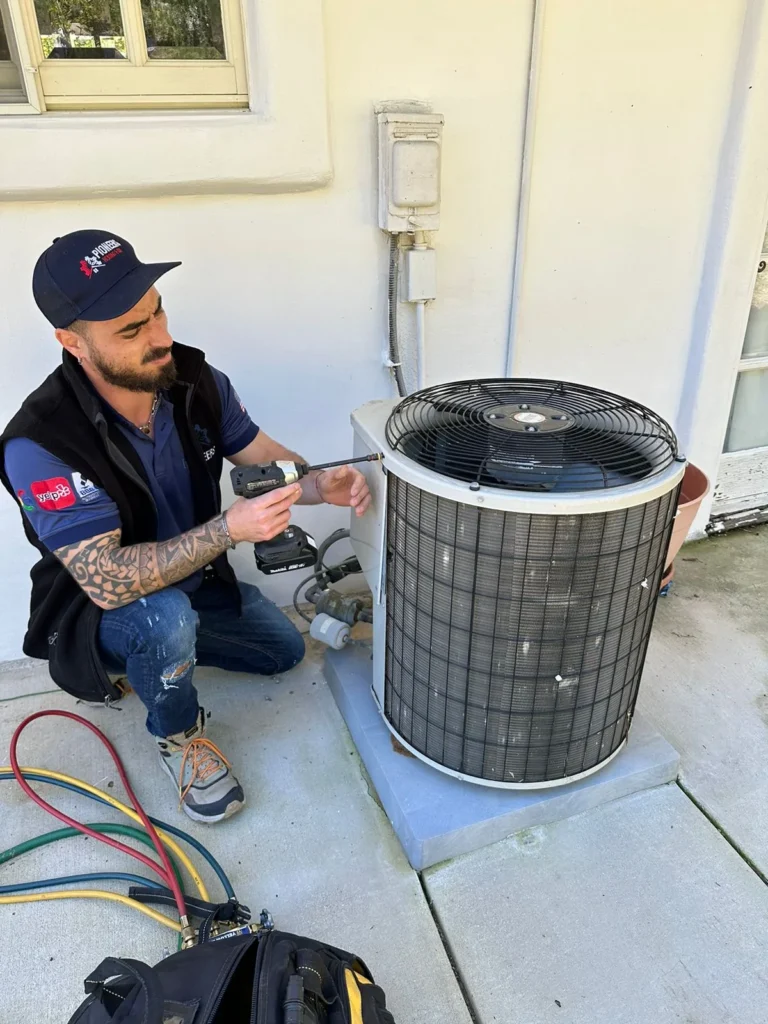
Mini-split installation is a step-by-step job where details prevent future headaches. We treat installation like a plan, not a guess. The goal is quiet operation, reliable performance, and a clean finish that looks right on your home. For a broader view of ductless work, you can also read about ductless system installation.
You should never feel like the install is rushed. The best mini-split jobs look boring when finished, because everything runs the way it should.
A system that is too large can short cycle and feel inconsistent. A system that is too small may run nonstop and still fall behind. Placement also matters, since airflow patterns can create drafts or dead zones. If you are comparing a ductless plan to traditional equipment, it can help to look at AC installation options and how distribution affects comfort.
If you have ever had air blow straight onto the couch, you already know why placement matters. When airflow and comfort are the main complaints, a combination of good placement and follow up HVAC tune-up style checks can keep performance steady.
Need Help? Call for Heating & Air Services
Mini-splits need proper power, safe connections, and a drain path that works year-round. A sloppy drain can lead to water where it does not belong. A poor electrical connection can create nuisance shutoffs. If you suspect related issues in existing equipment, HVAC repair may be the right starting point.
You can choose single-zone or multi-zone setups based on how you live. Not every home needs a head unit in every room. Some families want whole-home zoning. Others just want one problem area fixed without changing the rest. If you want a full home plan, comparing against HVAC installation can clarify what makes the most sense.
A good plan starts with your daily routine. Which rooms matter most during the hottest hours. Which rooms need quiet at night. Which doors stay closed.
Wall-mounted units are common, but they are not the only option. Many people picture the standard wall head, and it is popular for a reason. It is efficient, effective, and fits many layouts. Still, some rooms do better with a different style. If your priorities include a discreet look, we can also discuss how this compares with ducted solutions and air duct installation when ducts are feasible.
We will talk through what fits your home and what you will see every day.
Most mini-split installs take a day, but site details can extend the schedule. A simple single-zone install can often be completed in one day. Multi-zone projects or tricky routing can take longer. We plan around access, electrical needs, and how cleanly we can run lines. If timing matters because your current system is failing, consider whether AC repair is needed in the short term.
If you want the cleanest look, that can take more time than the fastest route. Most homeowners in Pasadena prefer the clean look. We agree.
Safety matters because refrigerant, power, and ladders do not forgive mistakes. Mini-split installation combines electrical work, refrigerant piping, drilling, and mounting heavy equipment. That is not a great weekend hobby unless your hobby is stress. If anything feels urgent or unsafe, emergency HVAC services can be the right move.
A mini-split should run quietly and drain properly. If it does not, something is off, and it is better to correct it early.
For general electrical safety reminders, review information from the OSHA electrical resource.
A little prep helps your installation day go faster and cleaner. You do not need to remodel your house before we arrive. A few simple steps help protect your time and your stuff. If you want a bigger system check first, HVAC inspection can help confirm the overall plan.
If you live in a condo or have an HOA, check any placement rules early. It saves back-and-forth later.
After installation, basic care keeps airflow strong and noise low. Mini-splits are not high-maintenance, but they do need simple routine care. Your comfort depends on clean airflow and clear drainage. For longer term reliability, pairing with seasonal AC maintenance habits can help.
If the unit starts to smell musty or airflow drops, do not ignore it. Those are early clues that cleaning or service is needed, and AC cleaning may be part of the next step.
Mini-split remotes can feel like a tiny spaceship. You do not need every feature to get great comfort.
Do you want steady comfort all day, or do you only run the system when the room is occupied. That answer changes how you use schedules. If comfort still feels uneven, HVAC maintenance can help catch issues early.
Pasadena conditions make placement and airflow choices even more important. Pasadena sees real heat, bright sun, and seasonal swings. Some homes have shaded lots and mild indoor temps. Others bake in the afternoon. The right mini-split layout accounts for those local patterns in CA and across California.
Outdoor unit placement is not just about where it fits. It is also about airflow, service access, and keeping it out of the worst heat pockets next to walls or fences. If you are also improving the building shell, attic air sealing can reduce load and help any system perform better.
This table is meant to make the options easier to picture.
| Home situation | Common mini-split approach | Why it fits |
|---|---|---|
| Garage conversion or ADU style space | Single-zone | Adds comfort without adding ducts |
| Upstairs bedroom that runs hot | Single-zone or multi-zone | Targets the hottest area directly |
| Several bedrooms need separate control | Multi-zone | Each room gets its own setpoint |
| Living room and kitchen open layout | One larger zone or two zones | Helps balance long, open spaces |
Your home may fit more than one option. We will walk through the pros and cons based on your layout and goals. If you want a full system evaluation first, HVAC inspection can help organize next steps.
Homeowners choose Pioneers Heating & Air because we focus on clean installs and clear communication. Mini-splits look simple after they are installed. Getting there takes planning and careful execution. We keep the process straightforward, explain what we are doing, and treat your home with respect.
If you have had contractors rush through explanations before, you will notice the difference. You should know where equipment will sit, what will be visible, and how the system will be controlled. If you are still deciding between repair and a new solution, HVAC replacement and targeted ductless upgrades are both worth comparing.
The little details are usually the big deal. Line set routing, drainage, torque on fittings, and proper evacuation protect performance and system life. Those steps also help prevent water issues, noise problems, and nuisance error codes.
A mini-split should fade into the background. You should notice comfort, not the equipment. If your home also needs air quality support, services like air duct cleaning may still be useful for the ducted parts of the home.
Schedule your install with one call and get clear next steps. If you are ready for Mini-Split Installation In Pasadena, we will help you choose a practical setup and install it cleanly. Pioneers Heating & Air works throughout Pasadena, CA and nearby areas, and we can talk through zoning, placement, and what to expect on install day. Call (626) 217-0559 and then use our Contact Us page to get started.
Hot upstairs rooms can point to attic heat, air leaks, duct losses, or airflow trouble instead of an AC problem...
Uneven room temperatures, weak airflow, dust near vents, and long AC cycles can point to leaky attic ducts. Check the...
AC cleaning removes buildup from key cooling parts. Learn the signs that point to cleaning, routine maintenance, or a repair...