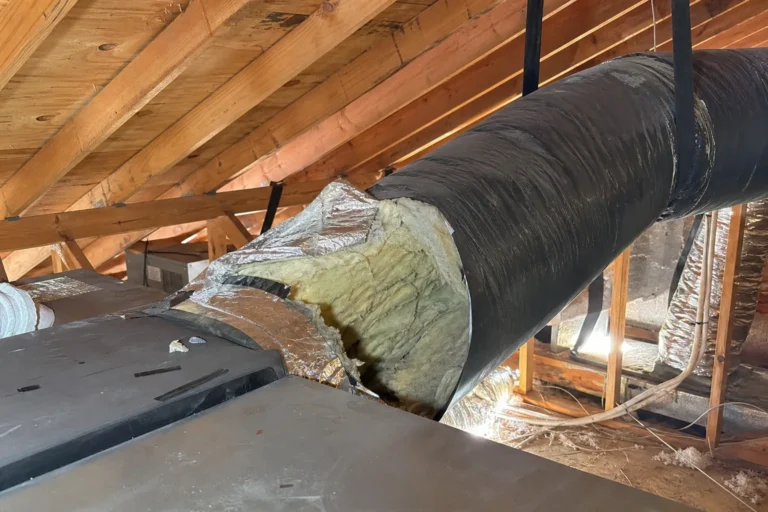
Why Upstairs Rooms Stay Hot With AC
Hot upstairs rooms can point to attic heat, air leaks, duct losses, or airflow trouble instead of an AC problem...
Book Ductwork Inspection In Pasadena with Pioneers Heating & Air. Find leaks, airflow issues, and efficiency losses fast. Call today to schedule
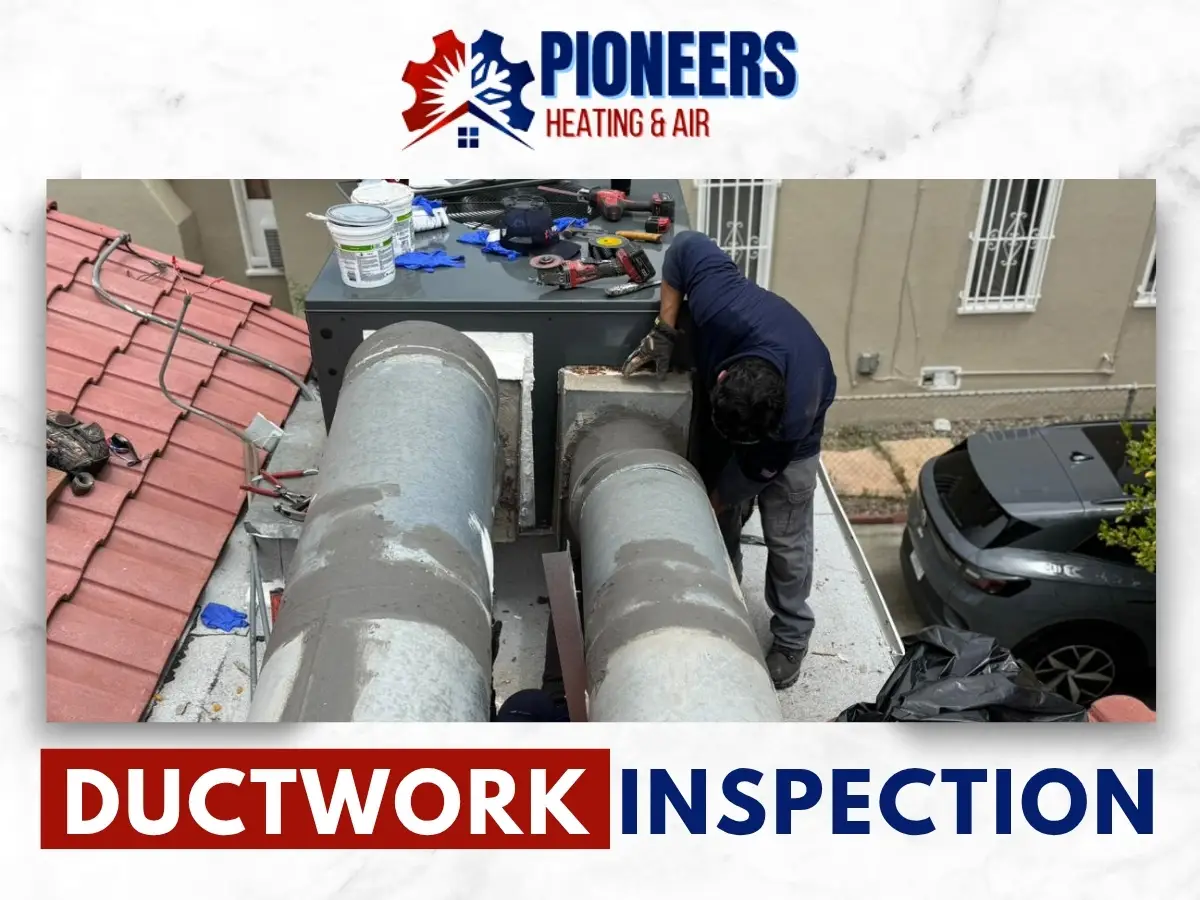
You get a clear picture of what your ducts are doing, not just what your thermostat says.
A Ductwork Inspection In Pasadena checks the hidden pathways that move heated and cooled air through your home. Pioneers Heating & Air looks for leaks, loose connections, airflow restrictions, and comfort problems that waste energy and strain your HVAC system. You get straightforward findings and practical next steps that fit your home in Pasadena, CA.
Need Help? Call Pioneers Heating & Air near you
A duct inspection checks the parts you cannot see but feel every day.
Your ductwork is the delivery system for heating and cooling. If it has leaks or blockages, your system may run longer, rooms may feel uneven, and dust can keep coming back. A proper ductwork inspection is not a quick glance at a vent. It is a methodical look at the supply and return paths, connections, and pressure related issues that affect comfort.
Are some rooms always warmer or colder than the rest? Do you feel like the system is running but the house is not changing much? Those are duct clues, not just equipment clues.

You should consider an inspection when comfort, dust, or energy use feels off.
Duct issues often show up as annoyances first. People adjust the thermostat, close vents, or blame the unit, and the real cause stays hidden overhead. If symptoms persist, pairing duct findings with an HVAC inspection can help separate delivery problems from equipment problems.
If you are thinking it works but it’s annoying, that is often the perfect time to look at the duct system before small problems grow.
Duct problems usually come from leaks, poor layout, or years of small changes.
Most duct systems do not fail all at once. They get a little looser, a little dirtier, or a little more restricted over time. And sometimes a remodel or a new unit changes airflow demands without anyone updating the ductwork. When repairs are needed, air duct maintenance can help keep small issues from stacking up.
If your home has had additions, new windows, or a converted garage, the duct system might be trying to serve a layout it was never built for.
Our visit follows a step by step process so nothing important gets skipped.
A useful inspection is consistent. We look for patterns, then confirm them. You will know what we checked and why it matters. When the issue looks bigger than ductwork alone, we may suggest an HVAC tune-up as a follow up.
We keep it simple. If we see something that needs attention, we show you what we found and explain what it affects. If everything looks solid, we will tell you that too.
Need Help? Call for Heating & Air Services
We inspect the duct system as a whole, not just a single vent.
A home’s airflow problems can be caused by more than one small issue stacking up. A partially blocked return plus a leaky supply trunk can feel like a failing AC, even when the unit is fine. If the equipment is suspected, we can also support with AC repair when appropriate.
Do you have high ceilings, older construction, or rooms over a garage? Those conditions can make duct sizing and routing more sensitive, which is why we look at the whole layout in both California and CA climates.
You get clear options based on what we find, not a one size plan.
Every home in Pasadena is different. Some homes need simple sealing. Others need airflow balancing, return improvements, or rerouting a crushed run. We focus on fixes that match the problem, which can include air duct repair or a larger change when needed.
We explain tradeoffs in plain language. A small repair may be enough, or it may be the first step before larger improvements make sense.
Most inspections fit into a single visit, but access issues can slow things down.
A straightforward inspection often goes smoothly, especially when ducts are easy to reach. The biggest delays usually come from access and attic conditions, not the HVAC system itself. If access limitations prevent a full view, we may recommend follow up air duct maintenance planning.
If we cannot safely reach a section, we will tell you what we could and could not verify. No guessing games.
Duct safety matters because attics, insulation, and wiring do not forgive mistakes.
Ductwork may look harmless, but the spaces around it can be tricky. Attics in CA can get hot fast. Crawl spaces can have sharp debris, low air, and moisture issues. It is also easy to step through a ceiling if you are not careful, and nobody wants that story. For general background on attic environments, see Attic.
A little caution saves a lot of repair work. If you are unsure, it is better to have us take a look.
You can prepare in a few minutes and help the inspection go faster.
A little access goes a long way. You do not need to clean your house or move every piece of furniture. Just help us reach the places we need. If you are also planning related work like air duct cleaning, mention it so we can coordinate next steps.
Quick question to consider which room bothers you most, and what time of day is it worst? That detail often points us in the right direction.
After the inspection, small habits help keep airflow steady.
Your duct system works best when airflow stays consistent. Many comfort problems start when returns are blocked, filters are neglected, or vents are shut in ways that create pressure issues. Keeping up with HVAC maintenance supports the duct improvements we recommend.
If you do make changes to vent positions, do it gradually. Your HVAC is not a pipe organ. It will not appreciate experimental music on a Monday morning.
Pasadena homes often have duct challenges tied to attic heat, older layouts, and renovations.
Pasadena includes a mix of older homes and updated properties. Many have attic duct runs that face intense heat in summer. Others have additions where the duct system was extended without full balancing. These local patterns can create predictable comfort issues, and pairing duct findings with attic ventilation upgrades can help in many California homes.
If your AC seems to work hardest during late afternoon heat, the duct path through the attic can be part of the problem. A focused inspection helps separate unit capacity issues from air delivery issues.
This quick table helps connect symptoms to likely duct related causes.
Here is a simple guide we use during troubleshooting. It does not replace an inspection, but it helps you see how duct issues show up day to day. For general background on air pressure behavior, see Pressure.
| What you notice at home | What it can point to | What we check |
|---|---|---|
| One bedroom always warmer | Leaky run, crushed flex duct, poor balance | Duct condition, connections, damper settings |
| Weak airflow at several vents | Return restriction or supply bottleneck | Return size, filter setup, trunk pressure clues |
| Dust returns quickly | Leaks pulling from attic or wall cavities | Seams, boots, return pathways |
| Whistling at a vent | High static pressure or undersized duct | Register size, duct sizing clues, restrictions |
| Rooms feel stuffy | Poor return air or imbalance | Return placement, door undercuts, airflow paths |
If you recognize your home in this table, it is worth getting eyes on the duct system.
Homeowners call us because we explain what we see and focus on practical fixes.
Pioneers Heating & Air is an HVAC contractor that works with real homes and real comfort problems. We keep communication clear, and we respect your space. You will get observations you can understand, not a pile of jargon. If the inspection points to equipment work, we can also help with HVAC repair or HVAC replacement when it makes sense.
Do you want the house to feel more even without constantly chasing the thermostat? That is exactly what duct diagnostics are for.
Scheduling is easy, and a duct inspection is a smart first step before bigger HVAC decisions.
A Ductwork Inspection In Pasadena can prevent wasted time replacing parts that are not the real problem. If your system is noisy, uneven, or running too long, start with the air pathways. Many comfort complaints live in the ductwork, not in the unit.
If you are ready to book a Ductwork Inspection In Pasadena, call (626) 217-0559 or reach out through our contact page.
Hot upstairs rooms can point to attic heat, air leaks, duct losses, or airflow trouble instead of an AC problem...
Uneven room temperatures, weak airflow, dust near vents, and long AC cycles can point to leaky attic ducts. Check the...
AC cleaning removes buildup from key cooling parts. Learn the signs that point to cleaning, routine maintenance, or a repair...