Why Upstairs Rooms Stay Hot With AC
Hot upstairs rooms can point to attic heat, air leaks, duct losses, or airflow trouble instead of an AC problem...
Commercial Duct Balancing In Pasadena for balanced airflow, comfort and efficiency. Pioneers Heating & Air provides expert testing and fast scheduling today

Commercial duct balancing sets the right airflow to each space so your building stays comfortable and your HVAC system runs the way it should. Pioneers Heating & Air handles testing, airflow measurements, and damper adjustments for Commercial Duct Balancing in Pasadena. If some rooms run hot, cold, noisy, or stuffy, we help bring the whole system back into balance.
Commercial duct balancing is the process of measuring and adjusting airflow so every zone gets the air it needs.
It is a step by step procedure that compares what each room should receive to what it actually receives, then corrects the gap. The goal is simple better comfort, steadier temperatures, and fewer complaints from tenants, staff, or customers.
Commercial buildings in Pasadena, California often have mixed use layouts. You might have offices next to server rooms, retail areas near glass storefronts, or classrooms with different occupancy levels. Those spaces do not behave the same way, even if they share one HVAC system. Duct balancing helps your system deliver the right amount of conditioned air where it is needed, without overfeeding some areas and starving others.
If your building has multiple air handlers, VAV boxes, or zones, balancing becomes even more important. A small airflow problem in one branch can ripple through the rest of the duct network. The fix is rarely turn the fan up. More fan power can increase noise and energy use while still leaving the far rooms uncomfortable. When needed, we may pair balancing with commercial HVAC troubleshooting and diagnostics to find the root cause.
Need Help? Call Pioneers Heating & Air near you
Commercial duct balancing in Pasadena helps reduce hot and cold spots that disrupt work, sales, and comfort. Uneven temperatures create real headaches. People bring space heaters, prop doors open, and adjust thermostats constantly. Those workarounds usually make the system less stable and can raise wear on equipment.
Commercial duct balancing in Pasadena is a practical way to get control back. By correcting airflow at the duct level, you reduce the need for constant thermostat changes and help each area hit its target temperature more consistently. If zoning control is part of the problem, we can also review commercial HVAC control and zoning setup.

If you answered yes, balancing is worth a close look. A good starting point can be HVAC inspection to confirm the system is operating normally before fine airflow adjustments.
Signs you may need commercial duct balancing show up as comfort issues, noise, and air quality complaints. Most buildings show warning signs long before anything breaks. Paying attention early can save a lot of disruption later. If you also suspect buildup inside the system, commercial air duct testing can add clarity.
Some of these issues are about comfort. Others point to pressure and ventilation problems that can affect indoor air quality. A balanced system helps with both, and in some cases we may recommend ventilation upgrades to support healthier airflow.
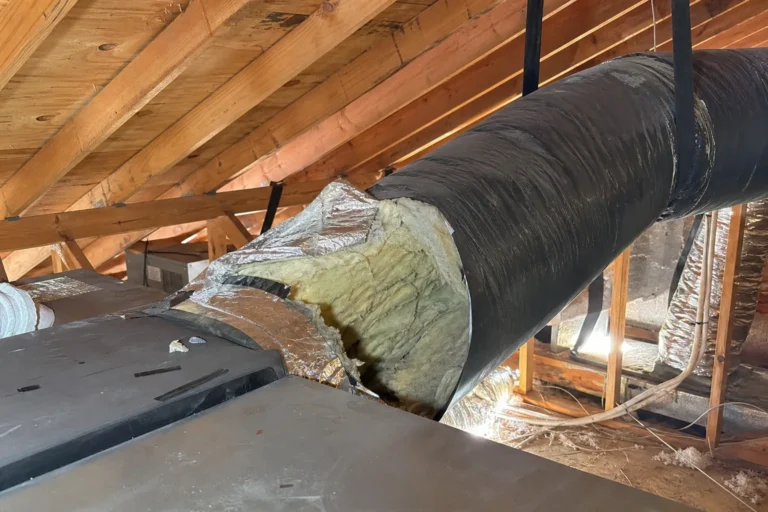
Uneven airflow often comes from changes in the building, not bad luck. Most commercial airflow problems have a cause you can point to. The tricky part is that the cause is not always where the complaint is. If duct condition is unknown, we often start with a ductwork inspection.
Sometimes the system was never balanced after installation or remodel. Sometimes it was balanced once, then the building changed. Either way, the fix starts with measurement, not opinions. If leakage is suspected, duct sealing can be an important part of getting stable results.
Commercial duct balancing works best when the HVAC equipment is healthy and the duct system is accessible. Balancing is not a magic bandage for mechanical problems. If a blower motor is failing, a coil is clogged, or filters are wrong for the equipment, airflow numbers will not line up. If performance issues show up during the visit, we may recommend commercial HVAC system repair before final balancing.
If something upstream is restricting airflow, you can balance forever and still not get acceptable results. We keep the process practical, and we talk with you about what we see. Ongoing commercial HVAC system maintenance helps keep those baseline conditions consistent.
Our commercial duct balancing visit starts with a walkthrough and a plan for how the building is used. We begin by learning the building pain points. That includes the rooms people complain about, the time of day the problem is worst, and what has changed recently. We also look at thermostat locations and zoning. If controls are part of the issue, we can align the findings with commercial thermostat programming.
If you have a facility schedule, we can work around busy hours. Nobody wants ladder traffic in a lobby during peak foot traffic, or a measuring hood in a conference room during a board meeting. Many teams combine balancing with a routine commercial HVAC inspection and tune up to reduce repeat disruptions.
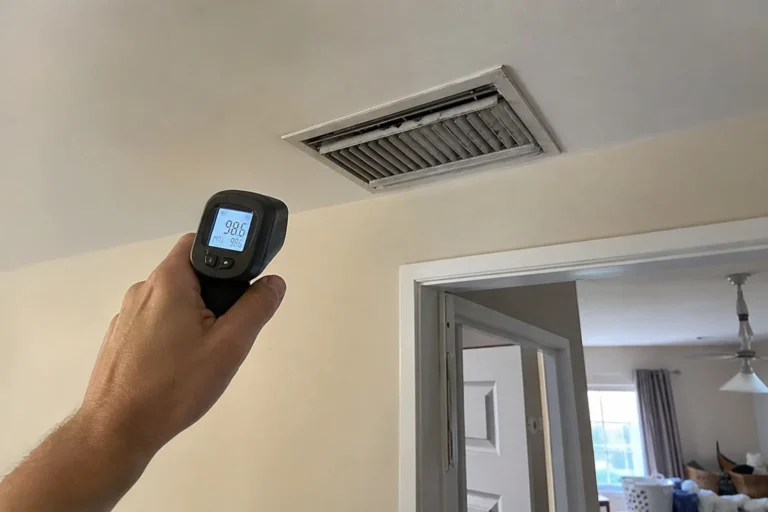
Airflow testing uses real measurements so changes are based on numbers, not guesses. We measure airflow at diffusers and grilles, then compare results to the airflow targets for the space and system. Targets can come from design documents, equipment data, or a practical field approach when plans are not available. For broader airflow distribution needs, see our airflow balancing service.
If you are thinking do you need to check every vent the answer depends on the building. Some sites need a full test and balance approach. Others can be handled by focusing on problem zones and the main trunks, then confirming adjacent areas. If duct performance is uncertain, commercial air duct maintenance can support long term stability.
Need Help? Call for Heating & Air Services
Damper and diffuser adjustments are the main tools for balancing, but they have to be done in the right order. Balancing is a sequence. If you adjust the easiest diffuser first, you can chase your tail all day. We work from the main trunks out to the branches, then down to individual diffusers. If we find damaged sections along the way, commercial air duct repair may be needed to make adjustments hold.
The goal is not to choke airflow randomly. The goal is to guide air where it is needed while keeping system pressure in a healthy range. If airflow changes reveal missing or outdated duct runs, commercial air duct installation may be part of the solution.
If you want a simple mental picture, think of it like traffic flow. If one street is blocked, cars pile up elsewhere. Open the right routes and the whole system moves better.
We can coordinate duct balancing with ventilation and pressure checks when indoor air feels stale. Some buildings feel off even when the temperature looks fine. That can be a ventilation or pressure issue, or it can be poor air mixing from imbalanced supply and return paths. If odor control and cleanliness are also concerns, commercial air duct cleaning can be paired with balancing where appropriate.
If your staff is saying the air feels heavy by mid afternoon, it is worth checking airflow distribution and return function. Your HVAC system can only move air it can actually circulate. When system airflow is unstable, HVAC troubleshooting and diagnostics can help identify the limiting factor.
Commercial duct balancing is often paired with duct repairs, control checks, and diffuser changes. Balancing sometimes reveals physical issues that must be corrected first. If a duct section is leaking badly, balancing numbers will not hold. If a VAV actuator is stuck, settings changes may not do anything. In those cases, we may suggest air duct repair or targeted mechanical fixes.
We keep you in the loop so you can make informed decisions. Some fixes are quick. Others may require access planning or after hours work. If the duct system is at end of life, commercial air duct replacement can be discussed as a longer term option.
Timing depends on building size, access, and how many zones need measurement. Most projects move faster when ceilings are accessible and equipment rooms are easy to reach. Projects slow down when tenant spaces are full, access panels are missing, or systems must be adjusted only during narrow time windows. If you are coordinating multiple building items, pairing this work with commercial HVAC system maintenance can help reduce repeat visits.
If you manage a property with multiple suites, a little coordination goes a long way. Who has keys Which spaces are sensitive Are there restricted areas Sorting that out early saves time. If rooftop access and units are central to the job, commercial rooftop unit services may be relevant too.
Safety matters because commercial ceilings, ladders, and mechanical rooms can create real risks. Commercial HVAC work often happens above ceiling tiles, near electrical components, and around moving fans. We approach balancing with a safety first mindset and clear communication on site. For ongoing reliability planning, many facilities also use HVAC maintenance to reduce unexpected issues.
If someone has been tuning diffusers with a screwdriver, you are not alone. It happens. The trouble is that random changes usually make the system less stable. If you need fast response for critical sites, ask about commercial emergency HVAC services.
You can prepare for a smoother visit by gathering notes and improving access. A bit of prep can cut down on disruptions and repeat visits. You do not need to do anything fancy. If duct cleanliness is part of the concern, you may also consider air duct cleaning ahead of time or after airflow issues are corrected.
If you have building plans, previous air balance reports, or control screenshots, keep them handy. If you do not, we can still proceed. We just rely more on field measurement and system behavior. A regular HVAC tune up can also reduce variables that affect airflow.
After balancing, you should expect steadier temperatures and fewer comfort complaints, not a totally silent system. Balancing improves distribution. It does not turn a commercial building into a library. That said, many loud airflow complaints come from poor pressure control, oversized diffusers for the delivered airflow, or dampers that are not set correctly. If noise and performance point to equipment strain, commercial HVAC system repair may be needed.
If you notice a new whistle at one diffuser after changes, tell us. That can signal a diffuser setting issue or a need to shift airflow distribution slightly. When controls are involved, thermostat programming can help align operation with the new balance.
Pioneers Heating & Air
Pasadena, CA buildings often face airflow challenges tied to sun exposure, older duct layouts, and mixed use spaces. Pasadena has a wide mix of building types, from older offices with retrofit ductwork to newer commercial spaces with complex zoning. Add strong sun exposure through glass, warm afternoons, and varied occupancy, and airflow complaints make sense. If your system layout has grown over time, air duct installation updates can sometimes support better distribution.
If your building sits in a spot with big daily temperature swings, balanced airflow helps the HVAC system keep up without overcorrecting. If the HVAC system is due for an upgrade, commercial HVAC system replacement can be evaluated with airflow needs in mind.
A simple airflow snapshot table helps explain what out of balance looks like. Here is an easy way to think about it. We compare what a room is getting to what it should get, then adjust dampers and outlets to close the gap. If you want a measurement driven baseline, commercial air duct testing is a helpful companion.
| Area | What you notice | Common airflow issue | Typical correction |
|---|---|---|---|
| Far offices | Always warm, weak air | Under supplied | Open branch damper, correct restrictions, confirm fan and static |
| Lobby storefront | Drafty, noisy vents | Over supplied | Reduce at diffuser or damper, improve distribution to other branches |
| Conference room | Fine empty, hot when full | Low supply or poor mixing | Increase supply, adjust throw direction, confirm return path |
| Restrooms | Odors linger | Poor exhaust or pressure | Verify exhaust, balance supply vs exhaust, check door undercuts |
This is not a substitute for measurement, but it shows how we connect symptoms to airflow causes. For background on duct systems, you can also review duct flow concepts.
Property managers choose Pioneers Heating & Air because we keep the process organized and focused on building function. Commercial HVAC work needs clear steps and clear communication. Our team shows up ready to measure, document what we changed, and explain what it means in plain language. Many teams align balancing with commercial HVAC system maintenance for better continuity.
Do you want your staff focused on work instead of thermostat debates Do you want fewer comfort tickets from the same rooms every week That is what balancing is meant to support. If your building is also experiencing heating or cooling performance issues, we can coordinate with commercial HVAC system repair when needed.
Commercial duct balancing in Pasadena starts with a quick call so we can understand your building and the complaints. If your building has rooms that never feel right, duct balancing is a smart next step. Pioneers Heating & Air can evaluate airflow, adjust dampers and diffusers, and help your HVAC system deliver comfort more evenly across the space. You can call (626) 217-0559 to get started. For broader system support, we can also discuss commercial HVAC system installation when equipment or layout changes are part of the long term plan.
To schedule service, call (626) 217-0559 or use our Contact Us page to share your building details and the areas where comfort complaints keep showing up.
Hot upstairs rooms can point to attic heat, air leaks, duct losses, or airflow trouble instead of an AC problem...
Uneven room temperatures, weak airflow, dust near vents, and long AC cycles can point to leaky attic ducts. Check the...
AC cleaning removes buildup from key cooling parts. Learn the signs that point to cleaning, routine maintenance, or a repair...