What Does AC Cleaning Include, and When Is It Worth Scheduling?
AC cleaning removes buildup from key cooling parts. Learn the signs that point to cleaning, routine maintenance, or a repair...
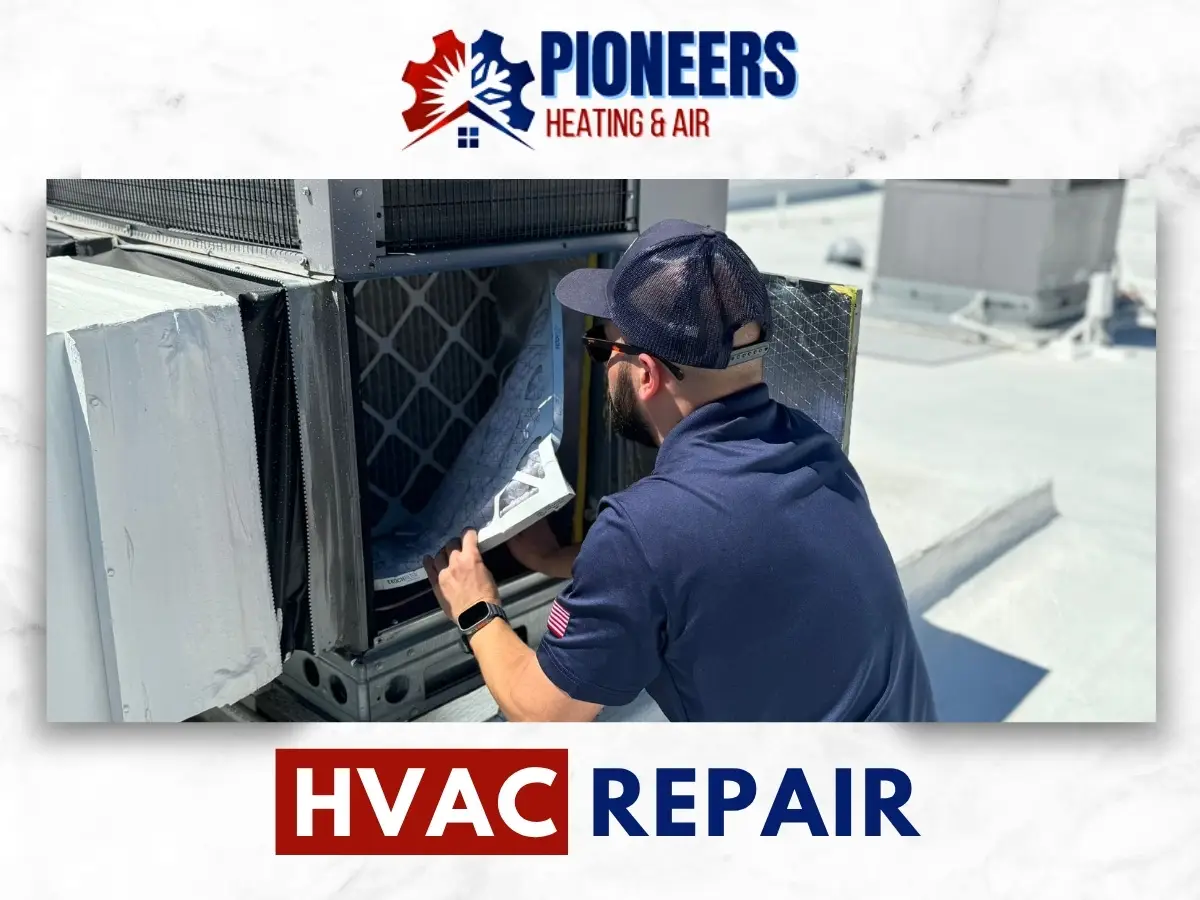
HVAC Repair that gets your comfort back on track in Pasadena, CA.
Pioneers Heating & Air helps Pasadena, CA homeowners and small businesses restore reliable AC and heat with clear recommendations, careful testing, and responsive scheduling. Call (626) 217-0559 or visit our homepage.
Need Help? Call Pioneers Heating & Air near you
HVAC Repair focuses on the equipment that controls temperature, airflow, and humidity. That usually includes your air conditioner, furnace, heat pump, thermostat, and the key electrical and air moving parts that connect them. If your system starts acting off, it is often one failing component creating a chain of problems.
Have you noticed one room is always hotter or colder than the rest. That can be a repair issue, not just a comfort quirk.

Most people call for HVAC Repair when the system stops completely. A smarter time to call is when the system still runs but performance drops. Those are the moments where a simple fix can prevent extra wear on the rest of the unit.
If your system is loudly complaining, it is not being dramatic. It is asking for help the only way it knows how.
Many heating and cooling failures start small. A restricted filter can stress a blower motor. A weak capacitor can prevent a fan from starting. A clogged drain can trip a safety switch. The goal is to find the real cause, not just reset the system and hope.
In Pasadena, California, long cooling seasons can expose weaknesses fast. A system that barely made it last year may stop during the first warm stretch this year.
If comfort is uneven, the fix may go beyond the equipment. A ductwork inspection, duct sealing, or airflow balancing can help address the root cause.
A proper service call should feel organized. We begin by learning what you are experiencing, then we confirm the problem with measurements and checks. Guesswork wastes time, and it can lead to repeat issues.
During our HVAC Repair process, we typically
Do you want the system to cool faster, run quieter, or stop cycling so often. Saying that upfront helps us focus the diagnosis.
If you want a deeper evaluation beyond repair, consider an HVAC inspection or HVAC troubleshooting and diagnostics.
Many issues share the same symptoms. Warm air could mean a refrigerant problem, a failed compressor, a fan issue, or even a thermostat setup error. Short cycling might be a clogged filter, an oversized unit, a pressure safety trip, or a control board issue.
If you have questions, ask them. Your comfort system is not a mystery box.
Once the system is stable, a HVAC tune up or ongoing HVAC maintenance can help reduce repeat issues.
Need Help? Call for Heating & Air Services
Pioneers Heating & Air handles HVAC Repair across the most common equipment types used in Pasadena, CA. Whether you have a split system, packaged unit, or heat pump setup, the repair approach stays the same. Verify the problem, fix the root cause, and confirm safe operation.
AC problems often show up as poor cooling, weak airflow, or a system that runs all day without catching up. In Southern CA, that can turn an ordinary afternoon into an indoor endurance test. When cooling is unreliable, start with AC repair that includes careful testing.
If your outdoor unit is running but the air indoors is still warm, the issue may be inside, outside, or both. A quick look is not enough. Testing tells the story.
Furnaces in Pasadena may run fewer months than in colder states, but they still need to be dependable when nights drop. If heat is inconsistent, furnace repair can address ignition, safety controls, and airflow issues.
If you ever smell gas, leave the area and contact your gas provider right away. Then call a professional to inspect the system before it runs again.
Heat pumps do double duty, so small issues can show up year round. If your heat pump struggles in cooling mode and heating mode, the cause might be a reversing valve issue, defrost control issue, airflow restriction, or a refrigerant problem. For targeted help, schedule heat pump repair.
A heat pump should not sound like it is trying its best. It should run smoothly and steadily.
Some fixes are quick once the problem is confirmed. Others take longer because they involve deeper electrical troubleshooting, hard to reach components, or additional system checks to make sure the issue will not repeat.
If your system keeps tripping a breaker or shutting itself off, that is a sign it is protecting itself. Let it rest and get it checked instead of forcing repeated restarts. If timing is critical, ask about emergency HVAC services.
Heating and cooling equipment combines electricity, moving parts, and sometimes gas. Many basic checks are safe for homeowners, but certain warning signs should end the do it yourself attempt. For general electrical safety guidance, see the CDC electrical safety information.
If you are unsure, pause. Comfort is great, but safety wins every time. If thermostat behavior is part of the problem, thermostat programming or thermostat installation may help after the repair.
A little prep can save time, especially if the equipment is in an attic or closet. It also helps us focus on what changed and when. If you want the system evaluated end to end, pair the visit with an HVAC inspection.
If you have photos of water leaks, ice buildup, or thermostat messages, keep them handy. Some problems disappear the moment a technician pulls into the driveway. Systems can be shy like that.
A repaired system should run smoother and hold temperature better. To keep it that way, focus on airflow, cleanliness, and early warning signs. Many homeowners build a plan around HVAC maintenance and seasonal checkups.
If your home still has uneven temperatures after a repair, the equipment may be fine. Duct leakage, insulation gaps, or return air problems can create the same discomfort. Consider air duct repair or air duct maintenance if airflow remains inconsistent.
This small guide helps you decide what to check before you call. If anything feels unsafe, skip the checks and call.
| Symptom | Safe check you can do | What it may point to |
|---|---|---|
| AC running but not cooling | Check filter and thermostat mode | Airflow issue, control issue, refrigerant problem |
| Furnace runs then stops | Check filter and vents | Overheat limit trip, airflow restriction |
| Outdoor unit silent | Check thermostat setting and breaker | Electrical fault, failed capacitor, control issue |
| Water near indoor unit | Check drain line area for blockage | Clogged condensate drain, safety switch trip |
| Weak airflow | Check filter and open vents | Dirty filter, blower issue, duct restriction |
If the safe check does not change anything, that is useful information. Share it with us during scheduling. If symptoms keep repeating, request HVAC troubleshooting and diagnostics.
Pasadena weather brings hot stretches, cool evenings, and seasonal swings that make systems cycle often. Frequent cycling can expose worn electrical parts. Dust and outdoor debris can also affect coils and outdoor fan performance, especially when units sit near landscaping.
If your upstairs never feels right, you are not alone. Air balancing, duct condition, and thermostat placement often play a role along with the equipment itself. For comfort improvements after repairs, consider ventilation upgrades.
You deserve a repair experience that respects your time and your home. We keep the process simple, explain what we find, and focus on fixes that restore dependable comfort. If you want to learn more about our team, see About Us.
We work with homeowners, property managers, and small businesses across Pasadena and nearby areas of CA. If your system is struggling, we will help you get it running the way it should. If you are weighing long term options, compare repair with HVAC replacement.
If your system is blowing the wrong temperature, cycling nonstop, leaking water, or making new noises, it is time to get it checked. Pioneers Heating & Air is ready to help with HVAC Repair that focuses on the real cause, not just the symptom. For HVAC Repair in Pasadena, call (626) 217-0559.
To schedule your HVAC repair in Pasadena, California, contact us through Contact Us or call (626) 217-0559.
AC cleaning removes buildup from key cooling parts. Learn the signs that point to cleaning, routine maintenance, or a repair...
An AC that keeps running but leaves rooms warm may have an airflow, coil, duct, thermostat, refrigerant, or equipment problem....
A ductless mini-split may cool a garage, ADU, or sunroom without extending central ductwork, but the room, electrical setup, drainage,...