Why Upstairs Rooms Stay Hot With AC
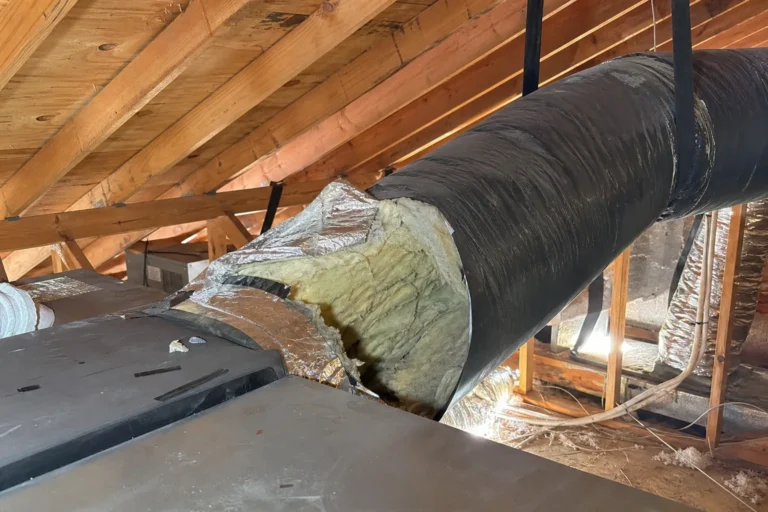
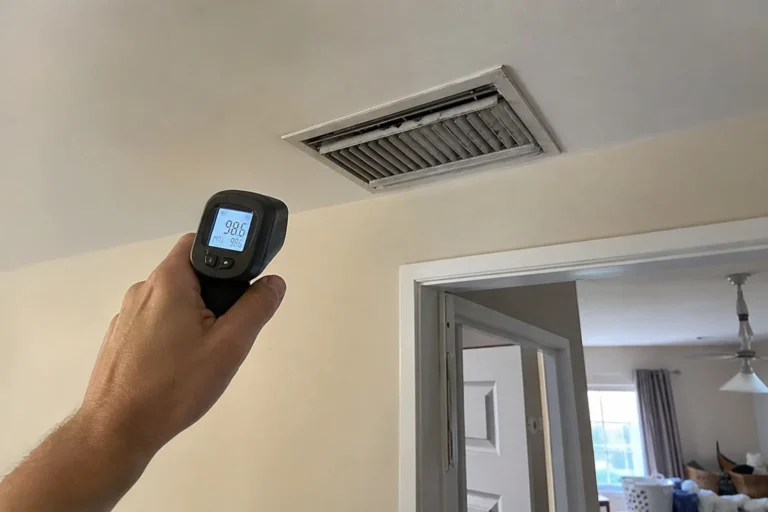
Hot upstairs rooms can point to attic heat, air leaks, duct losses, or airflow trouble instead of an AC problem...
Need fast Heat Pump Repair In Pasadena? Pioneers Heating & Air delivers trusted diagnostics, upfront pricing, and quality fixes to restore comfort today
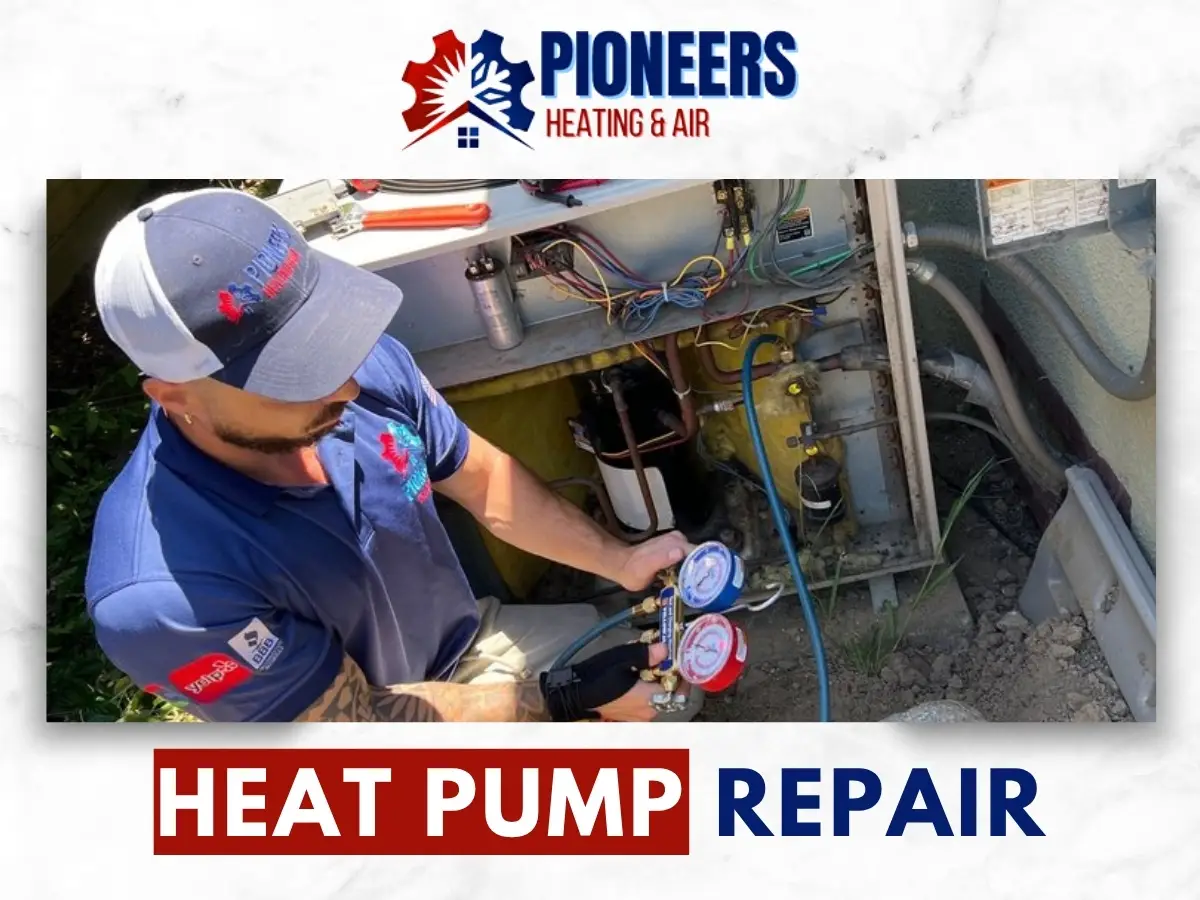
Fast help for heat pump problems in Pasadena, CA.
Heat pumps heat and cool your home, but they can act up without warning. Pioneers Heating & Air provides Heat Pump Repair In Pasadena with clear troubleshooting, straightforward recommendations, and repairs that focus on restoring safe, steady comfort. If your system is blowing the wrong temperature or cycling nonstop, we can help.
Need Help? Call Pioneers Heating & Air near you
Heat Pump Repair fixes comfort, airflow, and control problems that stop your system from working right.
Heat Pump Repair is the process of finding the real cause of poor heating or cooling and correcting it with the right parts, settings, and electrical checks. A heat pump is more than a box outside. It is a matched system with an outdoor unit, an indoor coil, a blower, refrigerant lines, drain piping, and controls.
Most breakdowns are not mystery failures. They are usually a short list of issues that show up in predictable ways. The trick is confirming the cause before replacing anything. Have you noticed your thermostat setting looks right, but the house feels wrong? That is a classic sign something in the system is not responding the way it should.
Heat pumps in Pasadena often run through mild days, cool nights, and warm afternoons. That steady cycling can expose weak capacitors, dirty coils, loose electrical connections, and airflow problems faster than you might expect. If you want a broader system check before repairs, consider an HVAC inspection.

You may need repair if your heat pump cannot hold temperature, makes odd sounds, or runs nonstop.
Heat pumps often give warnings before they stop. The earlier you catch the signs, the easier it is to prevent bigger damage. If you are unsure, pay attention to what changed and when.
If you are hearing a steady buzzing from the outdoor unit, do you notice the fan struggling to start? That often points to an electrical part that is failing and needs attention before it causes a bigger shutdown. For temperature control concerns, thermostat programming can also reveal setup issues that look like equipment failure.
Many heat pump problems trace back to airflow restrictions, electrical wear, or refrigerant trouble. Most service calls come down to a few categories. Knowing the likely cause helps you describe the problem clearly, which speeds up diagnosis. If you need step by step evaluation, start with HVAC troubleshooting and diagnostics.
Airflow problems usually start with filters, blower issues, or duct restrictions.
Airflow is the foundation of heat pump performance. Low airflow can mimic refrigerant problems and can also cause icing.
A quick homeowner check is to replace the filter and make sure vents are open. If airflow stays weak, the issue is often deeper than the filter. For hidden duct issues, an ductwork inspection can help confirm restrictions or leaks.
Electrical problems often show up as clicking, buzzing, or a unit that will not start.
Electrical components wear out over time. Heat pumps also face power events and frequent start cycles, which are hard on parts.
If a breaker trips more than once, stop resetting it and call a pro. Repeated trips are your system saying, I have a real problem, not try again. If the system is down and you need urgent help, Emergency HVAC Services may be the right next step.
Refrigerant issues can reduce capacity and lead to icing or compressor strain.
Refrigerant does not get used up. If the charge is low, there is usually a leak or an installation issue that needs correction.
Low charge can damage a compressor over time. That is why good diagnosis matters before adding refrigerant. Ongoing performance issues can also be related to dirty coils and neglected upkeep, so HVAC maintenance can help prevent repeat problems.
Need Help? Call for Heating & Air Services
Defrost and reversing valve issues can make the system heat on cool days or cool on cold nights.
Heat pumps switch modes using a reversing valve. They also use a defrost cycle to clear outdoor coil ice. If either system acts up, comfort gets weird fast.
Some shifting noise is normal. It is the every few minutes all day version that raises eyebrows. If comfort issues overlap with other equipment, a broader HVAC repair visit may be appropriate.
Drain and moisture problems can shut down the system or cause water damage.
Indoor coils create condensation in cooling mode. If the drain is blocked or the float switch trips, the system may stop to prevent overflow.
Moisture and musty odors can also be tied to duct conditions. In some homes, air duct cleaning can help address buildup that affects airflow and odor.
Our visit focuses on a clear diagnosis first, then the right fix, not guesswork. A proper service visit starts with listening. Your notes matter. When did it start? What mode were you using? Did a breaker trip? Those details narrow the search.
You should leave the visit knowing what failed, why it failed, and what to watch next. If a repair is recommended, we explain what it solves and what it does not. A repair should fix the problem, not create three new mysteries. For seasonal performance checks, an HVAC tune up can help confirm stable operation.
We handle common heat pump repairs that restore heating, cooling, and system stability. Most homeowners just want the house comfortable again and the system acting normal. That usually means fixing the part that is stopping correct airflow, heat transfer, or controls.
Not every call needs major parts. Some calls are a simple control issue. Others need a deeper electrical or refrigerant diagnosis. Either way, we keep it clear and practical. If your system is older and repairs keep stacking up, HVAC replacement can be worth discussing.
A few issues show up so often that a quick comparison can help you describe what you are seeing. This quick table can help you match symptoms to likely areas. It is not a substitute for a real diagnosis, but it can help you explain the situation on the phone.
| What you notice | Common places to check | Why it matters |
|---|---|---|
| Outdoor unit hums but fan does not spin | Capacitor, fan motor, contactor | Can overheat and shut down |
| Weak airflow indoors | Filter, blower, indoor coil, ducts | Can cause icing and low comfort |
| System runs nonstop | Low charge, dirty coils, airflow, thermostat | Higher wear and uneven temps |
| Ice on lines or outdoor coil | Airflow, refrigerant charge, defrost | Can damage compressor |
| Water near indoor unit | Drain line, pan, float switch | Can shut system off to prevent overflow |
If you can tell us which row sounds closest, it speeds up the next steps. If the issue overlaps with cooling performance, AC repair support may also apply in mixed systems.
Most repairs take one visit, but time can change based on diagnosis and system access. Many repairs can be completed the same day once the cause is confirmed. The timeline depends on how quickly the issue can be verified and how accessible the equipment is. If your system needs ongoing care after repair, HVAC maintenance can help keep it stable.
If your system sometimes works, try to note the pattern. Does it fail only in the afternoon? Only at night? Only when it switches modes? Those clues save time.
Safety comes first, and some situations are a stop and call moment. Heat pumps combine high voltage, moving parts, and refrigerant. A few homeowner checks are fine, but there are clear red lines.
If you smell something electrical, do not keep testing it. If you need immediate assistance, Emergency HVAC Services can help you respond quickly.
You can prepare for your appointment with a few simple steps that speed up diagnosis. Small preparation steps can help the visit go smoother and reduce time spent on basics. For ongoing comfort improvements, HVAC inspection can also help catch issues early.
If you have more than one thermostat, tell us which zones are affected. Is the whole house struggling, or just the back bedrooms? If zoning is part of the setup, HVAC zoning setup support can improve control and balance.
After the repair, a few habits help you keep performance steady and avoid repeat problems. Heat pumps like consistency. Good airflow and clean coils keep pressures stable and reduce strain on motors and compressors.
If you notice the system is running longer than usual, do not wait until it quits on the hottest week. Most systems give you a heads up. A scheduled HVAC tune up can help keep run times normal.
Pasadena conditions can stress heat pumps in specific ways, especially during warm afternoons and cool nights. Pasadena weather swings can push a heat pump to change modes and staging more often. That means controls, sensors, and electrical parts get more cycles. More cycles equal more wear, plain and simple. In CA and across California, these shoulder season swings are common and they can reveal borderline components.
If your unit works fine in mild weather but struggles on the first hot week, that often points to a system that is operating close to its limits. A focused repair and cleanup can restore normal capacity. If ducts are part of the problem, duct sealing can help reduce losses and improve airflow.
Homeowners call Pioneers Heating & Air because they want clear answers and repairs that make sense. You want to know what is wrong without getting a confusing speech. We keep communication simple and focus on what matters, safe operation, stable comfort, and a system that cycles the way it should.
We also respect your time. If something needs monitoring, we will tell you what signs to watch so you are not guessing later. If you are weighing repair versus replacement, heat pump installation may be the next step when a system is near end of life.
Schedule service when your system shows early signs, not after it fully quits. Heat pumps rarely fail at a convenient time. If your system is acting off, it is smart to address it before a small electrical issue turns into a no cool day. If you want to understand how heat pumps work in general, see heat pump.
For Heat Pump Repair In Pasadena, contact Pioneers Heating & Air. Call (626) 217-0559 or schedule through our Contact Us page.
If you are on the fence, ask yourself two quick questions. Is the system doing something new, and is comfort getting worse? If yes, it is time to get it checked. Our team is ready to help with Heat Pump Repair In Pasadena and get your home back to normal.
Hot upstairs rooms can point to attic heat, air leaks, duct losses, or airflow trouble instead of an AC problem...
Uneven room temperatures, weak airflow, dust near vents, and long AC cycles can point to leaky attic ducts. Check the...
AC cleaning removes buildup from key cooling parts. Learn the signs that point to cleaning, routine maintenance, or a repair...