Why Upstairs Rooms Stay Hot With AC
Hot upstairs rooms can point to attic heat, air leaks, duct losses, or airflow trouble instead of an AC problem...
Get Duct Sealing In Pasadena from Pioneers Heating & Air to stop leaks, improve airflow, and cut energy waste. Fast scheduling and trusted local techs

Duct sealing closes gaps and loose joints in your HVAC ductwork so conditioned air reaches the rooms you want. Pioneers Heating & Air handles Duct Sealing In Pasadena with practical testing, clean sealing methods, and airflow checks that fit real homes in Pasadena, CA. You get steadier comfort, less dust pull in, and less energy waste without guesswork.
Duct sealing fixes hidden air loss that your thermostat cannot see. Ductwork is the delivery system for heated and cooled air. If it leaks, your system can run longer while rooms still feel uneven. Good sealing focuses on the joints, seams, and connections where air escapes or gets pulled in.
Need Help? Call Pioneers Heating & Air near you
Many homes in Pasadena and nearby areas have ducts in attics, crawl spaces, garages, or inside dropped ceilings. Those spaces get hot, cold, dusty, and sometimes damp. Leaks there can waste comfort fast. If you also want the duct system cleaned out, our Air Duct Cleaning service is a separate step from sealing.
If you have been wondering why one bedroom never feels right, duct leaks are a common reason. Does your system sound like it is working hard, yet the house still feels mixed. That is a classic clue. When symptoms overlap with equipment problems, a targeted HVAC Troubleshooting & Diagnostics visit can help narrow it down.

Duct sealing stops air leaks. Duct cleaning removes debris inside the duct runs. Sometimes people ask for cleaning thinking it will fix airflow. If the duct is leaking, cleaning alone will not solve the comfort problem. If needed, we can pair sealing with Duct Sanitizing after the leaks are addressed.
Replacement is sometimes needed for crushed, missing, or badly sized ductwork. Sealing is often the right move when the ducts are mostly intact but leaking at the connections. We will tell you what we see and what makes sense for your layout. If replacement is the better path, see Air Duct Replacement for what that process looks like.
You may need duct sealing if comfort feels uneven or your system runs longer than it should. Leaks show up in daily comfort complaints more than most homeowners expect. The tricky part is that the ducts are out of sight, so the symptoms look like a thermostat issue or an aging unit. A quick Ductwork Inspection can confirm the likely leak areas.
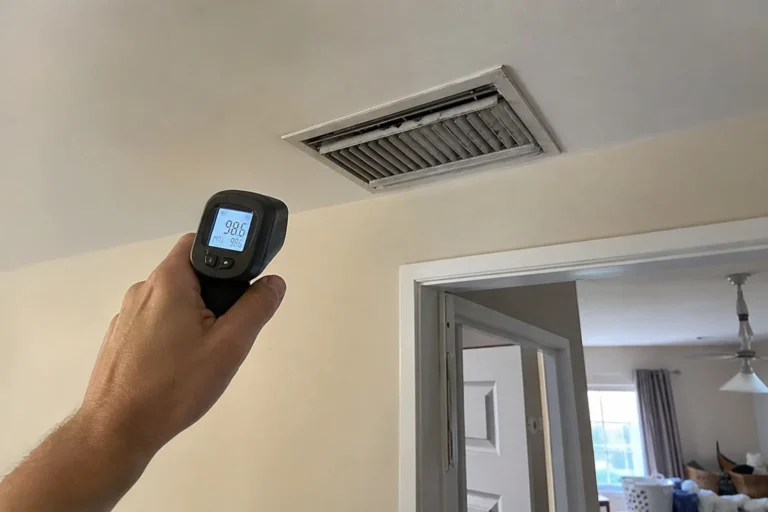
A quick self check can help. Put your hand near a supply vent when the system is running. Does the airflow seem strong in one room but weak in another at the same thermostat setting. That pattern often points to duct leakage or duct balance issues, and Airflow Balancing can be a helpful follow up when sealing is complete.
The return side pulls air back to the system. If the return ducts leak in a dusty attic or crawl space, the system can pull in unconditioned air and particles. That can raise dust and make the system work harder. If indoor air quality is a priority, you may also consider Whole Home Air Purifier Installation after airflow issues are corrected.
Supply leaks dump cooled or heated air into spaces you do not live in. That is like running a fan into the attic and hoping the bedroom cools down anyway. If the system has been straining, a seasonal HVAC Maintenance plan can support better performance once the ductwork is sealed.
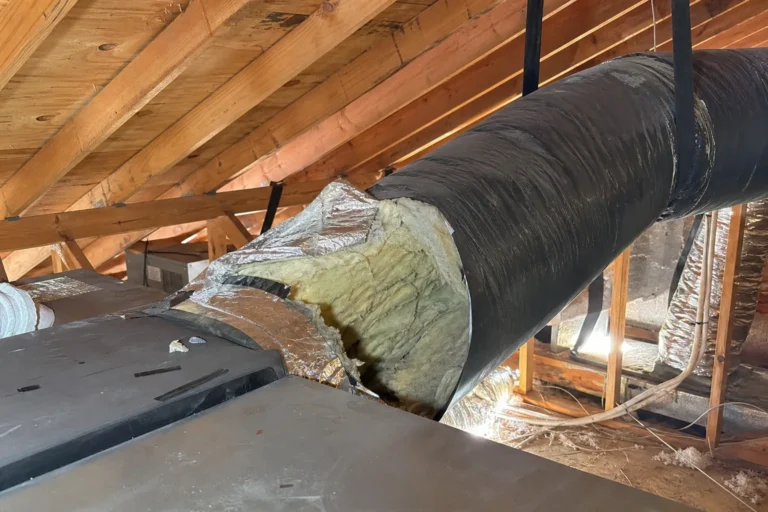
Duct leaks happen at joints, old tape, and disconnected runs more often than people think. Most duct leakage is not a big hole in the middle of a duct. It is small gaps at connections that add up across the whole system. Heat, vibration, and time do the rest.
If your home has had remodel work, insulation work, or pest activity, it is worth checking the ducts. A small disconnection can create a big comfort issue. When ducts are damaged, Air Duct Repair may be needed before final sealing.
Older homes can have duct layouts that are harder to keep sealed. Some Pasadena neighborhoods have older construction with additions or converted spaces. Duct runs may have been extended over time. Each added connection is another place a leak can start if it was not sealed correctly. If the layout itself is the issue, Air Duct Installation may be the right long term fix.
Our visit focuses on finding the leaks first, then sealing what matters most. We treat duct sealing like a problem solving job, not a guessing game. The goal is to improve airflow where you feel it, not just add sealant everywhere.
We also keep the work area clean and avoid making a mess in your attic access or hallway. Nobody wants a trail of insulation crumbs through the house. If we see other system issues during the visit, we can recommend a separate HVAC Inspection for a more complete overview.
Need Help? Call for Heating & Air Services
Some products fail fast in hot attics. We use sealing methods meant for duct joints and seams, not quick fixes that dry out and fall off. If we find old cloth style tape, we remove or isolate what is failing and seal correctly. For general background on what ductwork does, see duct in HVAC.
If you have already taped some joints, we can evaluate what should stay and what should be redone, and where true sealing will hold up better in California heat.
Flex duct that droops can reduce airflow even if it is not leaking. If we see major sagging, we may recommend re supporting runs while sealing connections. Think of it as fixing the leak and straightening the hose at the same time. If airflow still needs tuning after sealing, HVAC Zoning Setup can be a longer term option for some homes.
Duct sealing options depend on duct type, access, and how your system is laid out. Not every home needs the same approach. Metal ductwork, flex duct, and duct board all seal differently. Access also matters. If your ducts are buried under insulation, we plan the work carefully so we seal without damaging the duct.
Sometimes duct sealing pairs well with minor airflow balancing. If one room gets too much air and another gets too little, sealing may help, and Airflow Balancing can fine tune comfort.
Here is a quick view of leak points and what they can cause.
| Leak location | What you may notice | Why it matters |
|---|---|---|
| Return plenum or return duct seams | Dust, stale attic smell, noisy airflow | Pulls unwanted air into the system |
| Supply trunk seams | Longer run times, weak airflow at far rooms | Conditioned air escapes before reaching rooms |
| Flex duct connections | Hot or cold spots, rattling, loose ducts | Leaks and disconnections reduce delivered air |
| Register boots | Drafts near vents, uneven room temps | Air leaks into cavities instead of the room |
Most duct sealing jobs take a few hours, but access and attic conditions can slow it down. Time depends on how much ductwork we can reach, how many leak points exist, and how tight the access is. A wide, open attic is simpler than a low crawl space with obstacles. If the duct system needs ongoing care after improvements, consider Air Duct Maintenance.
We will keep you posted as we work, especially if we find a disconnected run that explains a problem room. Those finds are satisfying, like finally locating where that missing sock went, except it is your cold air.
Safety matters because attics and crawl spaces can be risky places for homeowners. DIY sealing can look simple in a video. Real attics in CA often have tight footing, low clearance, and exposed wiring. It is easy to step through drywall or disturb insulation. For added context on attic risks, review home repair guidance.
Also, avoid using general purpose tape on duct joints. Many tapes fail under heat and dust. If you want us to check what has already been applied, a focused Ductwork Inspection can identify what should be redone.
You can prepare in a few simple ways that make the visit smoother. A little prep saves time and keeps your home cleaner. You do not need to move your whole garage around, but a clear path helps.
If you have had past HVAC work, it helps to share what was done. Even a quick note like ducts were added for the back room gives us a useful starting point. If you want the system tuned at the same time, ask about a HVAC Tune Up.
After sealing, you should watch for steadier temperatures and more consistent vent airflow. Most people notice the change in the rooms that used to lag behind. Airflow can feel more even, and the system may not need to run as long to reach the thermostat setting. If the system still runs longer than expected, AC Maintenance can help address other efficiency limits.
If you have a smart thermostat, check the run patterns. You do not need to obsess over charts, but you can see whether the system cycles more normally once the ducts are tightened up. If you suspect equipment issues, AC Repair may be the next step.
Simple habits help keep ducts performing well. These basics support comfort in Pasadena TX style heat swings even though you are in Pasadena California and they also help reduce pressure that can worsen leakage.
If you are planning energy upgrades, Attic Air Sealing can complement duct sealing by reducing unwanted air movement between the attic and living space.
Pasadena conditions can make duct leaks more noticeable during hot spells and cool nights. Pasadena sees real swings, especially when warm daytime temps drop after sunset. If your ducts run through an attic, that attic can get very hot during summer afternoons. Leaks in that environment can dump cooled air into a space that does not need it. If attic heat is a major factor, Attic Ventilation Upgrades may help support better comfort.
We also see plenty of homes with mixed construction styles and additions. A converted garage, a new primary suite, or an added office can change how airflow needs to be delivered. Sealing helps, but the duct layout still needs to make sense for the rooms served. If comfort varies floor to floor, Thermostat Programming can be useful once airflow is corrected.
If you are near foothill areas, dust and outdoor air can find its way into attic spaces. A leaky return can pull that air into the system. Sealing the return side is often a big quality of life improvement. For general indoor air background, see indoor air quality.
Homeowners choose Pioneers Heating & Air because we focus on the cause, not just the complaint. We approach duct issues with a practical mindset. You tell us what you feel in the living space. We inspect the duct system and the common failure points. Then we fix what will make a real difference. If other repairs are needed, we can coordinate with HVAC Repair as a separate service.
If we spot issues outside the duct sealing scope, we will explain what they are and why they matter. No pressure, just useful information you can act on. If the system is nearing end of life, we can also discuss HVAC Replacement options separately.
Schedule service by phone or online so we can stop the leaks and restore airflow. If you want Duct Sealing In Pasadena, we are ready to help you tighten up your duct system and get air where it should go. Pioneers Heating & Air works throughout Pasadena, CA and nearby communities, with scheduling that fits busy households.
Call (626) 217-0559 to book your duct sealing visit, or use our Contact Us page to request scheduling online.
Hot upstairs rooms can point to attic heat, air leaks, duct losses, or airflow trouble instead of an AC problem...
Uneven room temperatures, weak airflow, dust near vents, and long AC cycles can point to leaky attic ducts. Check the...
AC cleaning removes buildup from key cooling parts. Learn the signs that point to cleaning, routine maintenance, or a repair...