Why Upstairs Rooms Stay Hot With AC
Hot upstairs rooms can point to attic heat, air leaks, duct losses, or airflow trouble instead of an AC problem...
Need Attic Insulation Replacement In Pasadena? Pioneers Heating & Air replaces old insulation to boost comfort and lower energy bills. Get a quote today

Attic insulation replacement removes old, dirty, or damaged insulation and installs new material to improve comfort and help your HVAC system run better. For Attic Insulation Replacement In Pasadena, Pioneers Heating & Air handles inspection, safe removal, air sealing basics, and clean installation so your home in Pasadena, CA stays more even from room to room.
Attic insulation replacement improves comfort, indoor air quality, and HVAC performance. Old attic insulation can stop doing its job long before it looks “that bad.” Gaps, settling, moisture, and pests can turn insulation into a patchy blanket. That leads to hot upstairs rooms in summer, chilly mornings in winter, and longer heating and cooling run times.
Need Help? Call Pioneers Heating & Air near you
Attic Insulation Replacement focuses on two goals stopping unwanted heat transfer and reducing air leaks between your living space and the attic. A strong insulation layer helps your HVAC system maintain set temperature with fewer swings. It can also cut down on dusty air moving through ceiling penetrations.
If your home feels like it has two climates, one downstairs and one upstairs, your attic is a smart place to look. Have you noticed one bedroom that never feels right no matter what you set the thermostat to?

You may need replacement when insulation is damaged, dirty, or no longer evenly covering the attic floor. Insulation rarely fails all at once. It usually fades through a bunch of small issues that add up. If you spot any of the signs below, replacement may be the cleaner fix than trying to patch small areas.
You may need replacement if insulation is wet, stained, or smells musty. Moisture is a deal breaker because wet insulation stops insulating well and can hold odors. Stains can point to roof leaks, duct sweating, or bathroom fan exhaust problems. If moisture points to attic airflow issues, attic ventilation upgrades may be part of the fix.
New insulation placed over moisture problems just turns your attic into a sponge with a calendar.
You may need replacement if pests have been in the attic. Rodents and birds can shred insulation, create tunnels, and leave droppings behind. That is not something you want sitting above your ceiling for years. When contamination is present, attic insulation removal and proper disposal are often the most sensible path.
You may need replacement if your energy bills rise without a clear HVAC issue. A spike in heating or cooling use can come from many places. If your system is running longer and your attic insulation is old or thin, the attic may be part of the story. It can also be a good time for an HVAC inspection to rule out equipment problems.
Old insulation fails from air leaks, settling, moisture, and poor attic airflow. Even good insulation cannot work well if air is moving through it. Think of insulation like a winter jacket. It helps most when the wind is blocked. That is why attic air sealing is often paired with replacement.
In Pasadena and nearby parts of California, big temperature swings between hot afternoons and cooler nights can magnify these problems. If the attic gets hot enough to make you regret climbing up there, your insulation and airflow strategy matters.
Our attic insulation replacement visit starts with inspection, then a plan you can understand. We keep the process clear because nobody wants surprises in the attic. We begin by looking at what is there, what is wrong, and what needs to happen next. If we find performance problems tied to airflow, we may recommend airflow balancing to help rooms feel more even.
You will know what areas are getting addressed and why. If we find something that should be corrected before new insulation goes in, we will tell you early.
Need Help? Call for Heating & Air Services
Insulation removal is handled with containment, cleanup, and proper disposal steps. Removing old insulation can be messy if it is rushed. We take steps to keep debris controlled and to keep your living space cleaner. If needed, we can also discuss follow up steps like duct sanitizing when dust has been moving through the system.
If the attic has rodent activity or heavy dust, removal is also a good time to identify entry points. Insulation is not pest control, but new insulation should not be installed while the attic remains an open doorway for critters.
Air sealing is addressed because insulation works better when air leaks are reduced. Air sealing closes the sneaky gaps that let conditioned air escape into the attic. This matters because even thick insulation cannot stop air movement through open holes. When attic leakage connects to duct leakage, duct sealing can be a practical companion service.
Stopping these leaks can reduce drafts and help rooms hold temperature longer. It also helps keep attic dust from getting pulled into the home through ceiling openings. If your house gets dusty fast, have you ever checked the attic hatch seal?
New insulation is installed to create even coverage at the right depth for your attic layout. The goal is consistent coverage without voids. We also aim to avoid blocking attic ventilation paths, especially at the eaves, where airflow needs to move. If insulation work is part of a broader comfort plan, HVAC maintenance can help keep the system running smoothly after upgrades.
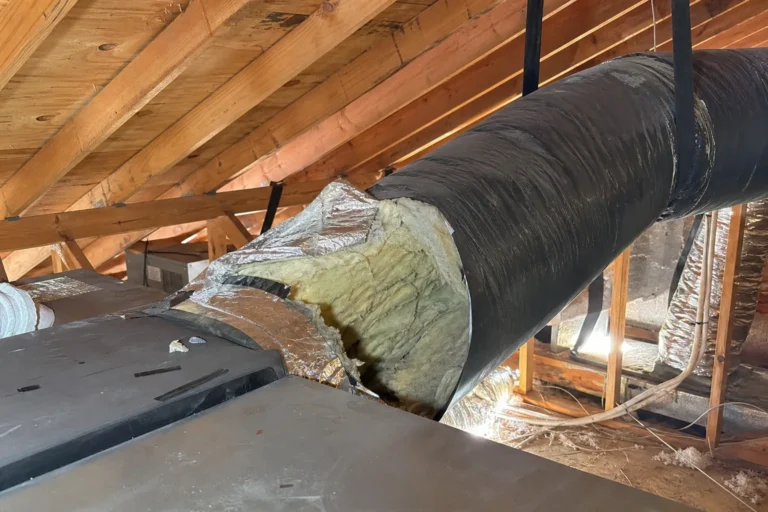
If your attic has HVAC ducts, we also keep an eye on duct routing and insulation contact. Ducts buried or pinched in insulation can create airflow issues. Ducts left exposed in a hot attic can increase heat gain in summer, and that may lead to more calls for AC repair during peak heat.
Common insulation materials are chosen based on attic conditions and goals. Different materials fit different situations. We explain what makes sense for your attic, not what sounds good on a label. If you already know the material you want, we can align the plan with either blown-in insulation installation or batt and roll insulation installation based on access and layout.
| Insulation type | Best for | Notes |
|---|---|---|
| Blown in fiberglass | Fast coverage across open attic floors | Helps fill around joists and odd spaces |
| Blown in cellulose | Dense coverage and good gap filling | Needs dry attic conditions |
| Batt insulation | Small areas or specific bays | Works best with careful fitting and no gaps |
Your attic height, access, existing ductwork, and ventilation setup all influence the right choice.
Timing depends on attic size, insulation type, access, and any cleanup needs. Many projects can be completed in a single visit, but every attic has its own surprises. If access is tight, or if old insulation is heavily contaminated, the work can take longer. If you are coordinating other work like air duct repair, we can help you plan the sequence so the attic is ready for insulation.
We will walk you through what we expect for your home in Pasadena, CA. If you are on a tight schedule, tell us. We will be straight about what is realistic.
Safety matters because attics have electrical hazards, weak footing, and poor air conditions. Attics are not friendly workspaces. Stepping in the wrong spot can send a foot through drywall. Touching the wrong wire can cause injury. Breathing dust and droppings is also a real concern. If you suspect system issues while you are troubleshooting comfort, consider HVAC troubleshooting and diagnostics instead of guessing.
If you see heavy droppings, wet insulation, or damaged wiring, stop and call a professional. No weekend project is worth a trip to urgent care. Your attic will still be there on Monday.
Pioneers Heating & Air
You can prepare by clearing access, noting comfort issues, and keeping pets away from work areas. A little prep helps the day go smoothly. It also helps us focus on the attic instead of moving boxes. If your comfort complaints tie into thermostat behavior, thermostat programming may also help once the attic is improved.
If your thermostat habits are unusual, mention that too. Do you keep the fan set to On all the time. Do you shut vents in unused rooms. Those details can connect the dots between comfort and attic conditions.
After replacement, you should watch for steadier temperatures, cleaner air, and quieter HVAC cycles. New insulation can change how your home feels within days, sometimes sooner. The most common feedback is that upstairs rooms feel less intense and the system does not run as long to catch up. For ongoing performance, pairing insulation work with HVAC tune-up can help confirm the system is operating as intended.
It is also a good time to replace HVAC filters on schedule. Insulation work can stir up dust in the attic even with careful containment. A fresh filter helps your system breathe easier.
Pasadena homes face heat, sun exposure, and older construction details that make attic performance important. Pasadena gets strong sun and warm stretches that can turn an attic into an oven. That heat presses down on ceilings and can make top floors uncomfortable. In CA and across California, these patterns can increase cooling demand and make AC maintenance more important during warm seasons.
If your Pasadena home has a finished space near the roofline, insulation strategy matters even more. Roofline and knee wall areas can create hidden voids that behave like open windows to heat.
Homeowners choose Pioneers Heating & Air because we connect insulation work to real HVAC comfort. Insulation and HVAC are linked. If the attic is leaking air and heat, your system has to work harder to keep up. As an HVAC contractor, we look at the full comfort picture, not just the material on the attic floor. When needed, that bigger picture can include HVAC repair or performance improvements that reduce run time.
We also know people have questions that are hard to ask without sounding picky. Ask them anyway. Would you like the upstairs to match the downstairs. Want the hallway to stop feeling like a heat tunnel. Those are normal goals.
Book your attic insulation replacement in Pasadena, CA by calling or reaching out online. If your attic insulation is old, uneven, or contaminated, replacing it can be a smart step toward better comfort and smoother HVAC operation. For Attic Insulation Replacement In Pasadena, Pioneers Heating & Air can inspect your attic, explain the options, and complete the work with care.
Call (626) 217-0559 or schedule through Contact Us.
Hot upstairs rooms can point to attic heat, air leaks, duct losses, or airflow trouble instead of an AC problem...
Uneven room temperatures, weak airflow, dust near vents, and long AC cycles can point to leaky attic ducts. Check the...
AC cleaning removes buildup from key cooling parts. Learn the signs that point to cleaning, routine maintenance, or a repair...