Could Leaky Attic Ducts Be Wasting Your Cooling
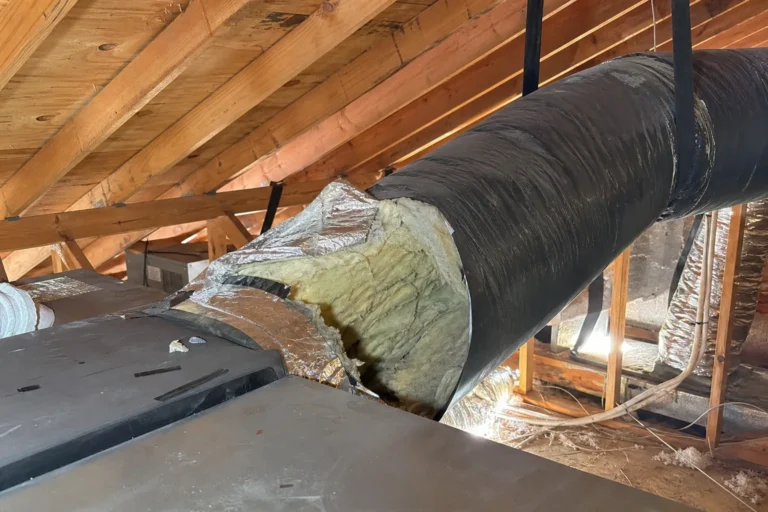
Uneven room temperatures, weak airflow, dust near vents, and long AC cycles can point to leaky attic ducts. Check the...
Commercial HVAC System Maintenance In Pasadena by Pioneers Heating & Air for reliable tune ups, fewer breakdowns, better efficiency, and priority scheduling
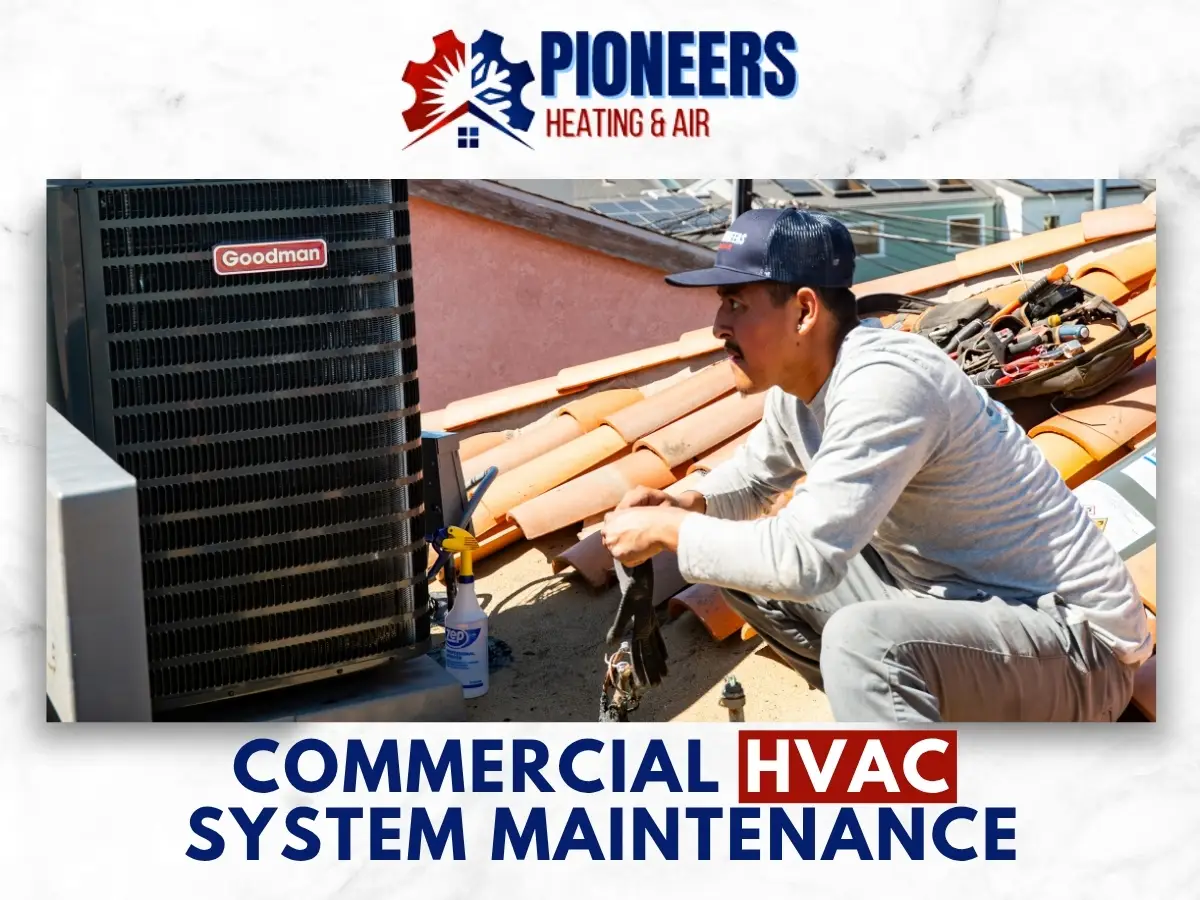
Commercial HVAC System Maintenance keeps your building comfortable, efficient, and ready for business in Pasadena, CA.
Commercial HVAC System Maintenance in Pasadena helps prevent surprise shutdowns, uneven temperatures, and high energy use. Pioneers Heating & Air services rooftop units, split systems, heat pumps, and packaged equipment for offices, retail, and light industrial spaces. Call (626) 217-0559 to schedule.
Commercial HVAC System Maintenance is planned care that prevents breakdowns and protects equipment life.
Need Help? Call Pioneers Heating & Air near you
Commercial systems run longer hours than home systems, and they handle more people, more doors opening, and more heat gain. That adds up to more wear on belts, motors, filters, coils, and controls. Maintenance is how you keep small issues from turning into urgent calls during peak season. If you need a deeper evaluation, an commercial HVAC inspection and tune-up can help establish baselines.
A good maintenance plan also protects indoor comfort. Employees work better when the space stays steady. Customers stay longer when the air feels right. And you avoid the familiar Why is it freezing by the register and warm in the back conversation.

Commercial HVAC System Maintenance focuses on four goals.
Commercial HVAC System Maintenance in Pasadena matters because local heat, dust, and runtime strain equipment. Pasadena summers can push systems hard, especially in buildings with big windows, older insulation, or constant foot traffic. Even mild seasons create issues when equipment cycles all day. Filters load up, coils collect grime, and drains clog. When those problems show up between visits, commercial HVAC troubleshooting and diagnostics can pinpoint the cause.
Are you trying to keep tenants happy, protect inventory, or meet comfort expectations during business hours. If yes, routine service is not extra. It is basic operations.
You may need maintenance now if you notice comfort swings, odd noises, or rising utility bills. Small warning signs usually show up before a breakdown. The sooner you act, the more options you have. If the system stops cooling or heating altogether, commercial HVAC system repair may be the next step.
If you are hearing a high pitch squeal, that is often a belt or bearing telling you it wants attention. It is not trying to be dramatic, but it might succeed.
Many commercial HVAC problems start with airflow restrictions and dirty heat transfer surfaces. Most mystery issues come down to a few repeating causes. Air cannot move like it should, or heat cannot transfer like it should, or controls are out of sync. When airflow is the suspect, commercial duct balancing can be a strong follow up.
A system can sort of cool with several of these problems at once. That is why routine checks matter. You want to fix the cause, not chase symptoms.
A maintenance visit follows a repeatable checklist so nothing important gets missed. At Pioneers Heating & Air, we treat maintenance like a set process, not a quick glance. Commercial equipment has many parts, and small misses can cause big headaches. We focus on safety, performance, and clear notes for your records. For recurring seasonal care, many sites also pair this with commercial AC maintenance.
We also look for building effect issues. A pro can tune equipment all day, but a stuck restroom exhaust fan or a propped open back door can still wreck comfort. We will point out what we see. If duct issues show up, ductwork inspection may be recommended.
Different systems fail in different ways, but the same core areas drive most comfort and efficiency outcomes. For Texas or CA style heat loads and long runtimes, these checks help keep performance steady.
Filter strategy is one of the easiest wins for comfort and efficiency. Filters protect coils and keep air cleaner, but they also affect airflow. Too restrictive, and the system can freeze coils or overheat heat exchangers. Too loose, and the coil turns into a lint blanket. If buildup is already present, commercial AC cleaning can support recovery.
We help you match filter choices to your system and your space. A busy retail shop near traffic dust needs a different approach than a small office with steady occupancy. We also check the filter rack for gaps, since air loves shortcuts.
If your team is changing filters, ask this question. Do they know where every filter is. Many buildings have more filter locations than anyone remembers.
Coil and condenser cleaning protects capacity and reduces strain on key parts. Heat transfer needs clean surfaces. When coils get dirty, the system runs longer and pressures drift higher. That raises electrical draw and stress on compressors, fan motors, and contactors. When coil condition is a priority, AC cleaning can be useful for some building areas and equipment types.
We inspect coil condition and decide on the right cleaning approach. Some coils need a light cleaning. Others need a deeper clean because of grease, pollen, cottonwood, or construction dust. Rooftop units also face bird debris and wind blown grime.
Clean coils are not about perfection. They are about airflow and temperature change staying in normal ranges.
Need Help? Call for Heating & Air Services
Electrical and control checks reduce nuisance shutdowns and hard to trace faults. Commercial HVAC equipment vibrates. Over time, that can loosen connections or wear electrical parts. A weak capacitor or pitted contactor can cause random no cool calls that only happen on the hottest day. If controls need updates, commercial thermostat programming may be part of the fix.
We also watch how the system starts and runs. That tells you a lot. Smooth starts usually mean less stress and fewer surprises.
Belt, blower, and airflow checks keep the whole system balanced. Airflow problems can mimic refrigerant problems. A dirty filter, slipping belt, or weak motor can lead to comfort complaints that look like low charge. That is why we start with airflow basics. For system wide distribution issues, airflow balancing can be a next step.
If a belt is squealing, it is usually not asking for attention quietly. It is telling the whole building.
Refrigerant circuit checks focus on system response, not guesswork. Refrigerant issues can damage equipment if ignored. They also can get misdiagnosed when airflow is weak. We look at the system as a whole so you get the right fix. When the issue is active and urgent, commercial AC repair may be required.
If a leak is suspected, we will explain what we found and what the next diagnostic step should be. No vague statements. No guessing games.
Economizers and outdoor air systems need regular attention to avoid comfort and cost issues. Many commercial buildings use economizers to bring in outdoor air for ventilation and, at times, free cooling. When dampers stick or sensors drift, the system can pull in too much hot air or not enough fresh air. Either way, someone complains. When ventilation is a core concern, ventilation upgrades may help.
If your building gets sticky in the afternoon or smells stale in the morning, the outdoor air setup is worth a close look.
Drain lines and condensate controls prevent water damage and indoor air problems. Condensate is normal in cooling mode. Where it goes is the issue. A clogged drain can overflow and stain ceilings, damage drywall, or trip safety switches that shut the unit down. If ductwork hygiene is also a concern, duct sanitizing may be relevant after a water issue is resolved.
If you have ever found a mysterious puddle near a unit, you know why this matters. Water has a talent for showing up in the worst place.
Maintenance can be set up as seasonal, quarterly, or custom based on building use. Different businesses have different loads. A small professional office may not need the same frequency as a busy restaurant or a gym. Hours of operation, occupancy swings, and equipment type all change the plan. If the equipment is aging, planning can also reduce the need for rushed commercial HVAC system replacement.
Here is a quick guide that helps many commercial sites.
| Building Type / Use | Typical Maintenance Rhythm | Main Focus Areas |
|---|---|---|
| Office and admin spaces | 2 times per year | Filters, coils, controls, comfort balance |
| Retail with high foot traffic | 2 to 4 times per year | Filters, airflow, door driven load, economizer checks |
| Light industrial and warehouses | 2 to 4 times per year | Dust control, belts, motor wear, ventilation |
| Food service areas | 4 times per year | Grease impact, coil cleanliness, ventilation interaction |
We will recommend a schedule based on what you have, how it runs, and what problems you have seen. If you want a simple plan your staff can follow, tell us. We like simple too.
A commercial maintenance appointment usually takes a few hours, depending on system count and access. Most visits are straightforward when equipment is accessible and the building has clear points of contact. Larger sites with multiple rooftop units take longer, especially when units are spread out or require coordinated roof access. For properties with many units, commercial rooftop unit services can be a helpful companion service.
If you manage a property, a quick email with unit locations and access notes can save time. It also saves your maintenance staff from playing hide and seek with thermostats.
Pioneers Heating & Air
Safety matters, and some warning signs mean you should stop and call a pro right away. Commercial HVAC equipment combines electricity, moving parts, sharp metal, and refrigerant pressures. Rooftop work adds fall risk. If you have in house staff, we respect what they handle, and we want them safe. For urgent situations, commercial emergency HVAC services may be appropriate.
If your staff is tempted to just reset it again, ask one question first. What caused the shutdown. Resets can hide problems until they get expensive.
You can prepare your site in a few simple steps before we arrive. A little prep helps the visit go smoother and helps you get clearer answers. It also reduces interruptions for your team and tenants. If you suspect duct leakage or airflow loss, duct sealing can also support long term comfort.
Do you have a recent history of service calls or recurring issues. If you can share notes, we can spot patterns faster.
After maintenance, a few simple habits help you keep results longer. Maintenance is strongest when it is paired with basic site awareness. You do not need to hover over your HVAC units. You just need a few smart checks. If comfort complaints persist, an HVAC inspection can help confirm what is driving the issue.
If you manage multiple tenants, ask them to report issues early. It has been like that for months is a sentence no HVAC tech enjoys hearing.
Pasadena, CA buildings face common comfort patterns that maintenance can address early. Many Pasadena properties mix older construction with newer tenant improvements. That can mean uneven duct layouts, additions that changed airflow, or thermostats that do not match current use. Rooftop units also take a beating from sun exposure and wind blown debris. For distribution improvements, commercial air duct testing can help confirm where losses occur.
A maintenance plan helps you catch these patterns early, then make small adjustments before they turn into daily complaints.
Pioneers Heating & Air keeps communication clear so you can make decisions with confidence. You should know what we checked, what we found, and what should happen next. We aim to leave you with practical notes that help you plan, whether you are an owner, property manager, or facilities lead. When planning includes system upgrades, commercial HVAC system integration can support coordinated changes.
You will not get a pile of confusing jargon. You will get clear priorities and next steps.
Commercial HVAC System Maintenance in Pasadena works best when it is scheduled before peak season hits. The best time to service cooling is before the first heat wave. The best time to check heat is before the first cold snap. Waiting until the system is already struggling often limits options and increases downtime risk. If you need broader scheduled care across the property, HVAC maintenance can support ongoing planning.
Commercial HVAC System Maintenance in Pasadena is also easier to manage when you pick a point person. One contact who knows access, complaints, and schedules can speed up everything.
Book service with Pioneers Heating & Air so your system can run steadier and break less often. If you want fewer interruptions, better comfort, and equipment that runs closer to how it should, schedule Commercial HVAC System Maintenance. We work with many types of commercial properties and equipment configurations, and we keep the process organized. If your system is already failing, commercial HVAC system maintenance may be paired with repair planning.
For Commercial HVAC System Maintenance in Pasadena, call (626) 217-0559 or use the Contact Us page to set up your next visit.
Uneven room temperatures, weak airflow, dust near vents, and long AC cycles can point to leaky attic ducts. Check the...
AC cleaning removes buildup from key cooling parts. Learn the signs that point to cleaning, routine maintenance, or a repair...
An AC that keeps running but leaves rooms warm may have an airflow, coil, duct, thermostat, refrigerant, or equipment problem....