What Does AC Cleaning Include, and When Is It Worth Scheduling?
AC cleaning removes buildup from key cooling parts. Learn the signs that point to cleaning, routine maintenance, or a repair...
HVAC Maintenance In Pasadena from Pioneers Heating & Air includes seasonal tune ups, filter checks, and safety inspections. Book service today for comfort year round
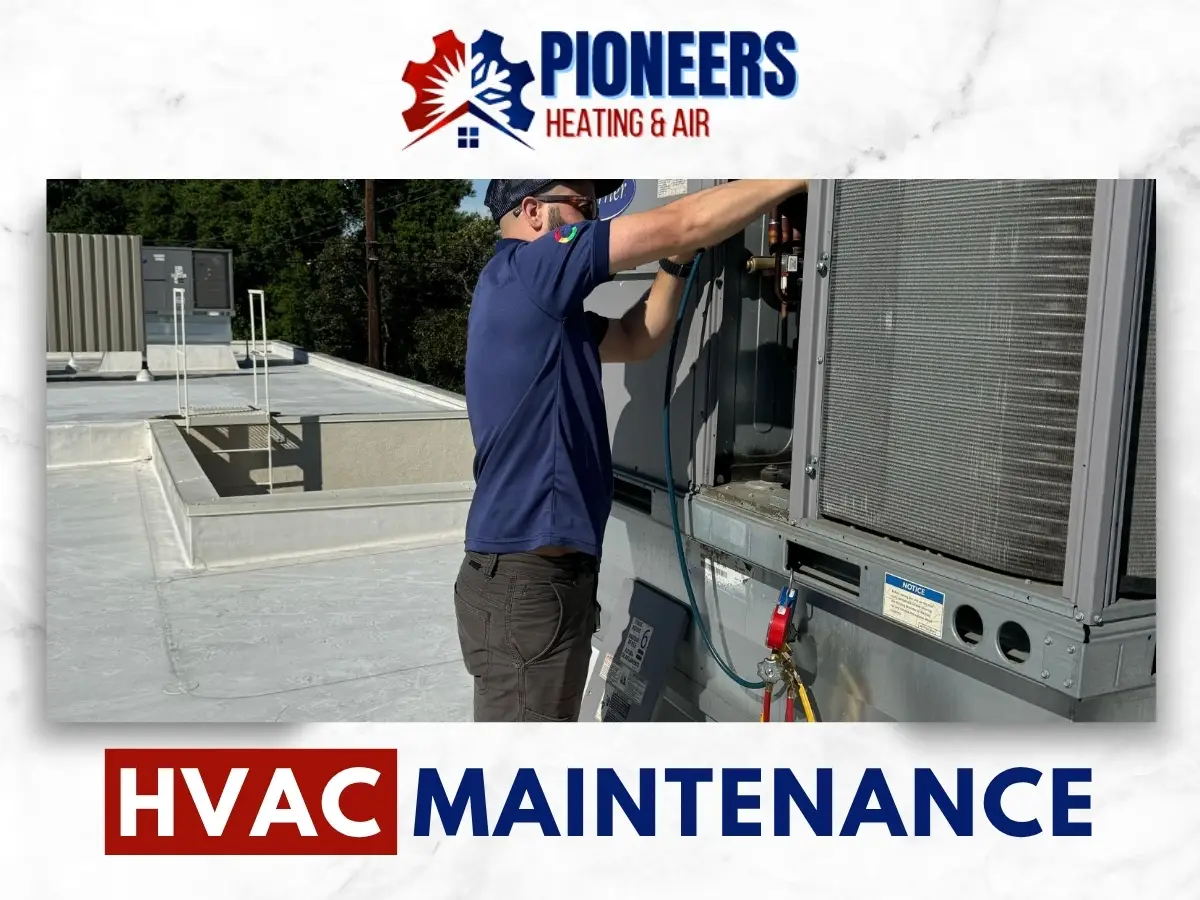
HVAC maintenance keeps your system safe, efficient, and dependable through Pasadena’s hot spells and cool nights. Pioneers Heating & Air handles HVAC maintenance in Pasadena with seasonal tune ups, filter checks, and safety inspections that catch small problems early. You get steadier comfort, cleaner airflow, and fewer surprise breakdowns. Call (626) 217-0559 or visit the Pioneers Heating & Air homepage.
Need Help? Call Pioneers Heating & Air near you
HVAC maintenance is routine care that helps your heating and cooling equipment run the way it should. Pioneers Heating & Air treats HVAC maintenance like an oil change for your comfort system. It focuses on cleaning, checking, testing, and adjusting key parts before they cause trouble. A well maintained system tends to heat and cool more evenly, cycle less often, and put less strain on expensive components.
In Pasadena, California, many homes run air conditioning hard during heat waves, then switch to heating when nights cool down. That swing can expose weak capacitors, dirty coils, low airflow, and worn electrical connections. Regular maintenance helps you stay ahead of those issues and can reduce the need for sudden HVAC repair.
Planning routine visits gives you a better chance of steady comfort during the most demanding weeks in CA.

HVAC maintenance focuses on performance, safety, and air quality. A good visit is not just a quick look. It includes measured checks, visual inspections, and hands on cleaning where needed. It also includes testing safety controls, verifying proper airflow, and spotting wear before it becomes a no cool or no heat call. When needed, we may recommend a separate HVAC inspection to look deeper into a persistent issue.
If you have allergies, pets, or a dusty home, maintenance also supports indoor air quality. Clean filters and clean coils reduce the amount of debris the system can blow around your home. If buildup appears to be coming from the duct system, you may benefit from air duct cleaning or targeted duct sanitizing.
You may need maintenance now if you notice changes in comfort, sound, or airflow. Small symptoms often show up weeks before a system quits. Paying attention early usually saves time and stress later. Many homeowners call for HVAC maintenance because something feels a little off, even if the unit still runs.
If you are changing the thermostat setting more than usual, that is a clue too. Your system may be struggling to move air, remove heat, or ignite properly. If comfort issues persist, consider thermostat programming or a focused airflow balancing check.
Higher energy use often points to airflow or heat transfer problems. Energy use can rise when coils are dirty, filters are clogged, or the blower is not moving enough air. In cooling mode, poor heat transfer forces the system to run longer. In heating mode, restricted airflow can overheat the furnace and trigger safety shutoffs. A proactive HVAC tune up can catch these issues early.
You do not need to guess which part is responsible. A maintenance visit is built to identify the root cause, and if needed we can move into HVAC troubleshooting and diagnostics.
Many HVAC problems in Pasadena start with dirt, heat, and normal wear. Most breakdowns are not mysterious. They come from a few predictable sources, especially in Southern California where dust and outdoor grime can build up fast. Regular HVAC maintenance helps limit these problems.
Even a strong system can struggle if it cannot breathe. Airflow is the foundation for both heating and cooling performance, and duct restrictions may call for ductwork inspection or duct sealing.
Skipping maintenance can turn a small issue into a no cooling day. A failing capacitor might give warning signs for a while, like slow starts or a louder hum. A clogged drain line might start as a small drip and turn into a water safety switch shutdown. Maintenance is where these problems are found early, before they become a call for AC repair or heating repair.
Need Help? Call for Heating & Air Services
Our HVAC maintenance visit checks the system from thermostat to vents. You should know what a technician is doing in your home. We keep the process clear, and we focus on the items that affect safety, comfort, and reliability. Pioneers Heating & Air provides HVAC maintenance in Pasadena with a practical approach that respects your time and your home.
Every home is different. Some systems are in attics, some are in closets, and some are split between a furnace and outdoor unit. We adjust the visit to match your equipment and access. If you need a deeper look beyond routine care, we may suggest an HVAC inspection.
We focus on safety checks that help protect your home and family. Heating equipment needs special attention. We look for signs of poor combustion, blocked airflow, and abnormal cycling. If something does not look right, we tell you clearly and explain what it means. If repairs are needed, we can coordinate heating services based on what we find.
If you have a gas furnace, safety inspections are not optional. They are part of responsible home care, especially when the first cool nights arrive.
Seasonal tune ups work best when timed around heavy use. Most systems benefit from a cooling check before summer and a heating check before winter. That timing helps catch issues after months of sitting and before the workload ramps up. Many homeowners schedule AC maintenance in spring and plan fall visits around heating services.
If your system runs year round due to indoor comfort needs, you may prefer more frequent filter checks. Homes with pets, nearby construction, or heavy dust may also need closer attention.
Filter checks are simple, but they affect almost everything. A dirty filter can cause icing on the coil, poor comfort, and noisy airflow. It can also stress the blower motor. During maintenance, we confirm the filter size, fit, and condition, then talk about a realistic change schedule for your household. For coil related buildup, targeted AC cleaning may be helpful.
If you have a high return grille, a filter cabinet, or multiple returns, we help you locate them all. Many people are surprised they have more than one.
HVAC maintenance can include targeted cleaning and adjustments that restore normal operation. Some parts of maintenance are inspection and testing. Other parts involve cleaning and small corrections that bring the system back to a healthier baseline. If coil and blower buildup is significant, we may recommend a more dedicated HVAC tune up plan.
We also keep an eye out for duct problems that cause comfort issues. Crushed flex duct, disconnected runs, or leaky joints can waste a lot of conditioned air. When needed, we may recommend air duct repair or air duct maintenance.
Airflow testing helps explain uneven rooms. If one bedroom is always warmer, the issue might not be the thermostat. It might be duct routing, supply balance, return air limits, or a dirty blower. Maintenance is a good time to spot these patterns and talk through practical fixes like airflow balancing or HVAC zoning setup.
Most HVAC maintenance visits take one to two hours, but access and condition can add time. We plan for a thorough visit, not a rushed one. The time needed depends on the type of system, how easy it is to reach components, and how much cleaning is needed. If the system has ongoing issues, we may recommend follow up HVAC troubleshooting and diagnostics.
If we find a separate repair need, we explain it and discuss options. We do not surprise you with mystery work. When a fix is required, we can schedule HVAC repair based on urgency and parts.
A quick visit is not always a good sign. If someone is in and out in 15 minutes, key checks were likely skipped. A real maintenance visit involves measurements, testing, and time in both the indoor and outdoor equipment areas.
Some HVAC issues are safety related, and you should stop and call a pro. If you smell gas, shut off the gas supply if you know how, leave the area, and contact your gas provider and a professional. If you see smoke, scorching, or melted wiring, turn off power at the breaker and call for emergency HVAC services.
Yes, it can be tempting to keep flipping the switch. Your system is not a stubborn lamp. It is a machine with safety controls trying to tell you something. If you are unsure, request HVAC inspection service.
Carbon monoxide concerns should always be taken seriously. Gas furnaces and other fuel burning appliances must vent properly. If you have headaches, nausea, or unusual fatigue that improves when you leave the house, take action right away and get professional help. Maintenance inspections help reduce the odds of unsafe operation. For general information, see carbon monoxide.
You can prepare for maintenance in a few simple steps that save time. You do not need to deep clean your home before we arrive. A little access goes a long way, especially for closet units and attic entries. If you are also planning duct related work, it can help to schedule ductwork inspection around the same time.
Do you have one room that never feels right. Tell us early so we can focus on it during airflow checks, including options like airflow balancing.
Outdoor units need breathing room. If the condenser is boxed in by stored items or heavy plant growth, it will struggle. Clearing at least a couple feet around it helps airflow and service access. If coil buildup is visible, we may recommend AC cleaning as part of getting performance back.
After maintenance, a few habits help keep the system running smoothly. Maintenance is a strong baseline. Your daily habits help keep it that way. Most homeowners can prevent common problems with simple routines, and routine HVAC maintenance works best when paired with consistent filter care.
If you notice a musty smell after a long off period, run the fan for a short time and check the filter. If the smell stays, call so we can look at drains and coil condition, and consider whether air duct cleaning is appropriate.
Thermostat settings matter, but airflow matters more. People often chase comfort by lowering the thermostat further and further. If airflow is restricted, the system still cannot do its job. Keeping filters clean and vents open often fixes comfort issues faster than thermostat changes. If you want help dialing in settings, we can support thermostat programming.
Pasadena conditions can stress HVAC equipment in specific ways. Pasadena weather can be mild for stretches, then swing hard with heat and sun exposure. Those hot afternoons can reveal weak electrical parts quickly. Dust and pollen can load filters and coat coils faster than many homeowners expect. Preventive HVAC tune up visits are a practical way to stay ahead of these seasonal swings in CA.
If your home has rooms that feel warmer near sunset, you are not alone. Sun exposure and attic heat can overwhelm a system that is slightly dirty or low on airflow. Improvements like attic air sealing or ventilation upgrades can support comfort when heat gain is the bigger driver.
Heat pumps and dual fuel setups need the right checks. If you have a heat pump, maintenance involves both heating and cooling operation checks. Reversing valves, defrost controls, and outdoor coil condition matter in winter too, even in California. If performance problems show up, we can help with heat pump repair and ongoing HVAC maintenance.
Homeowners choose Pioneers Heating & Air for clear communication and careful work. You should feel comfortable asking questions during the visit. We explain what we see in plain language, and we point out what is normal versus what needs attention soon. Our goal is to keep your system running reliably without guesswork, and to reduce last minute calls for emergency HVAC services.
If you have had maintenance before and still feel uneven comfort, ask us to look at airflow and duct basics. Many comfort problems live there, not at the thermostat, and services like duct sealing can make a real difference.
From split systems to package units, from attic air handlers to closet furnaces, we see the setups common across Pasadena, CA and nearby neighborhoods. That experience helps us spot common failure points and access challenges quickly. When equipment is near end of life, we can talk through HVAC replacement planning without pressure.
A simple maintenance plan reduces surprises during the hottest and coldest weeks. The best time to schedule service is before the system is struggling. That is when parts are less stressed and the work can be done calmly. If you want fewer urgent calls and more steady comfort, routine care is the path, and it pairs well with periodic HVAC maintenance and seasonal HVAC tune up visits.
If you remember nothing else, remember this air needs to move, and heat needs to transfer. Maintenance keeps both working, and can reduce the need for HVAC repair.
Book service with Pioneers Heating & Air to stay comfortable year round. If you want HVAC maintenance in Pasadena handled by a team that keeps things clear and practical, we are ready to help. We will inspect, test, clean, and walk you through what we find, so you can make informed choices for your home in CA. Call (626) 217-0559 or use our Contact Us page to schedule HVAC maintenance.
AC cleaning removes buildup from key cooling parts. Learn the signs that point to cleaning, routine maintenance, or a repair...
An AC that keeps running but leaves rooms warm may have an airflow, coil, duct, thermostat, refrigerant, or equipment problem....
A ductless mini-split may cool a garage, ADU, or sunroom without extending central ductwork, but the room, electrical setup, drainage,...