Why Upstairs Rooms Stay Hot With AC
Hot upstairs rooms can point to attic heat, air leaks, duct losses, or airflow trouble instead of an AC problem...
Attic Air Sealing In Pasadena from Pioneers Heating and Air stops drafts, boosts comfort, and lowers energy bills with expert sealing and fast estimates today

Attic Air Sealing In Pasadena closes the hidden gaps where hot attic air and dusty outdoor air slip into your living space. Pioneers Heating & Air finds those leaks, seals them the right way, and helps your HVAC system run steadier through Pasadena, CA weather. You get fewer drafts, better comfort, and more control over energy use.
Need Help? Call Pioneers Heating & Air near you
Attic air sealing stops unwanted airflow between your attic and living space.
Most homes leak air through the ceiling plane, which is the barrier between the attic and your conditioned rooms. Those leaks act like little chimneys. Warm air rises and escapes into the attic, and your home pulls replacement air from outside through cracks and openings.
Attic Air Sealing is the process of finding and sealing those openings. The goal is to reduce air movement, not to block needed ventilation. A tighter ceiling plane helps your heating and cooling stay where you pay for it.
If your home feels fine in one room and uncomfortable in another, air leakage is often part of the story. Have you noticed certain rooms that never match the thermostat? If that sounds familiar, a broader comfort check such as an HVAC inspection can help connect the dots.

A tighter ceiling plane helps your HVAC system maintain even temperatures. When conditioned air stays inside, the system cycles more normally. That can mean fewer hot and cold spots and less always running behavior. If the system still struggles, HVAC troubleshooting and diagnostics can confirm whether equipment or airflow is also involved.
You may need attic sealing if you feel drafts, uneven temps, or see dust lines. Air leaks can be sneaky. Many homeowners do not realize the attic is connected to their living space through dozens of small gaps.
If your home has a pull down attic ladder, that opening is often a major leak. If your attic access is just a thin panel, it can leak even more than you think. Addressing the hatch often pairs well with attic insulation replacement when insulation levels are also part of the comfort problem.
Hot upstairs rooms can point to attic leakage and weak insulation coverage. Heat collects in the attic and pushes into the home through openings. Air sealing reduces that movement. Insulation then works better because it is not being washed by moving air.
Air sealing is often the first step before adding or improving insulation. If you add insulation without sealing, air can still move through gaps and reduce the benefit. If insulation needs work, options may include blown-in insulation installation or batt and roll insulation installation.
Attic air sealing often starts by identifying where air moves through wiring holes, plumbing chases, and attic hatches. Most leaks are created by normal building features. The home needs wiring, pipes, ducts, and vents to pass through the ceiling. Those penetrations are rarely sealed well for long.
Older homes in Pasadena often have more pathways for air movement. Renovations can also add gaps if new wiring or plumbing was run without sealing the openings afterward. When airflow issues show up at the vents, an ductwork inspection can help verify what is happening above the ceiling.
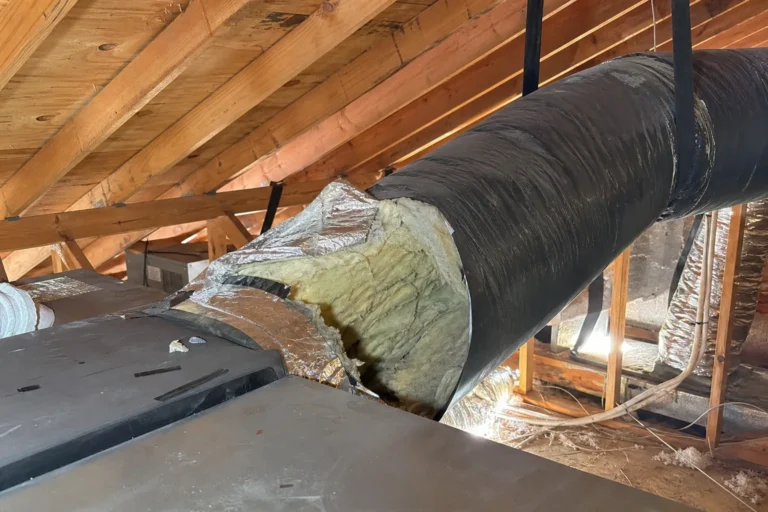
If ductwork runs through the attic, leaks can dump conditioned air into a very hot space. That is like trying to cool your home while also cooling the attic, and the attic always wins.
Attic air sealing focuses on the building envelope at the ceiling plane. Duct sealing is a related issue that we can identify during the visit. If ducts are part of the problem, you will want to know early, and follow up services like airflow balancing may also help.
Our attic air sealing visit starts with a careful walk through and clear priorities. We begin by learning what you are feeling day to day. Which rooms bug you the most. When do you notice it, afternoon heat or early morning chill. Your answers help us focus on the right areas.
Then we inspect the attic access, attic floor, and common penetration points. We also look for signs of moisture, duct issues, and insulation gaps that affect airflow. When needed, we can recommend next steps that connect to your system, such as HVAC maintenance.
We keep the work area tidy and avoid tracking attic dust through your home. Attics are not known for being clean, and we do not want to share that charm with your hallway.
We use the right sealing method for each opening, not one material everywhere. Different gaps need different approaches. Small cracks may need sealant. Larger openings may need rigid blocking plus sealant. Heat producing fixtures may need special clearances.
This is where many DIY attempts go sideways. Using the wrong foam in the wrong place can create safety concerns. Using the right material in the right location makes the seal last and keeps the home safe. If comfort issues continue after sealing, we can help you decide whether HVAC repair or airflow focused work is the next step.
Need Help? Call for Heating & Air Services
Attic sealing options range from basic leak closing to full top plate coverage. Every attic is different. Some homes have a few easy leaks. Others have many wall cavities open to the attic, plus complex framing and multiple soffits.
Attic Air Sealing In Pasadena often comes down to solving the big holes first problem. A few major openings can move as much air as dozens of tiny cracks.
A sealed attic access door is one of the highest impact fixes. Attic hatches commonly leak because they are thin and uninsulated. They also lack tight latching and weatherstripping. We focus on making that opening fit better and seal better. If insulation is also lacking at the hatch area, attic insulation replacement may be part of the conversation.
If you can feel air movement around the hatch on a warm day, the home can too. That is one of the easiest places to notice improvement.
Most attic sealing work can be completed in a single visit, but access can slow it down. Time depends on attic size, number of penetrations, and how easy it is to move safely. A low clearance attic with tight corners takes longer. So does an attic with older, disturbed insulation that needs careful handling, and sometimes leads to recommendations like attic insulation removal.
We will walk you through what we can do right away and what needs follow up. If something is unsafe to proceed, we stop and explain why.
Weather and attic temperatures matter for scheduling and comfort. Pasadena summers can turn an attic into a heat box. Working in extreme attic heat is not smart for anyone. We plan the day so the work can be done carefully, not rushed.
A calmer attic environment also helps certain sealing materials cure properly. If conditions are not right, we will tell you and adjust the plan. In CA, seasonal swings also affect how often systems run, so it can help to review your system health with AC maintenance or heating services as needed.
Safety comes first because attics include electrical, heat sources, and fragile ceilings. Attics are full of hazards. Stepping off a joist can put a foot through drywall. Working too close to older fixtures can create heat risks. Disturbing insulation can irritate skin and lungs. We treat attic air sealing as careful work, not rushed work.
If we find signs of roof leaks or active moisture issues, sealing needs to be planned carefully. Trapping moisture is not the goal. A comfortable home still needs to stay dry, and improvements may include attic ventilation upgrades.
Some recessed lights and fans require special handling. Older recessed lights can run hot and may not be rated for insulation contact. Sealing around them the wrong way can be risky.
Bathroom fans can also be trouble spots. A loose duct can dump moist air into the attic, which can lead to staining or mold. We look closely at those connections and call out anything that needs correction, and when duct issues are present we may recommend air duct repair or air duct maintenance.
You can prepare quickly by clearing access and noting problem rooms. A little prep helps the visit go smoother. It also helps us focus on what matters most to you, and makes the attic air sealing work more efficient.
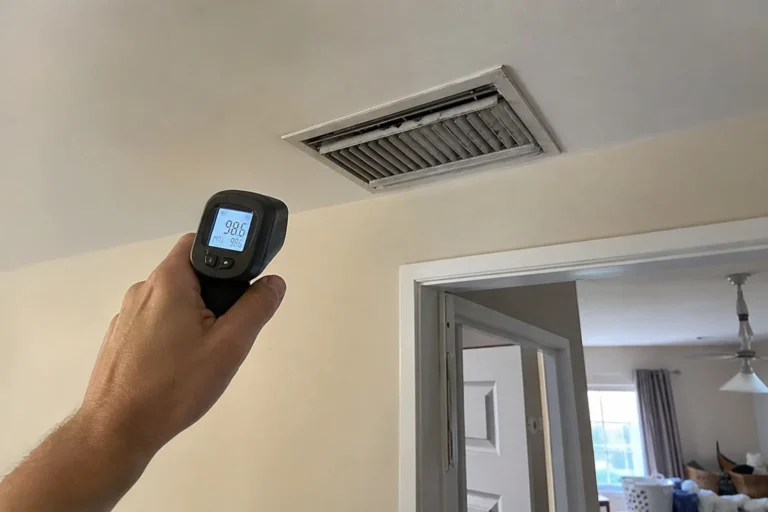
If you have a list of recent HVAC concerns, share it. Short cycling, uneven airflow, and dusty supply registers can all connect back to attic leakage. If airflow remains uneven, airflow balancing can be a useful next step.
If you store items in the attic, create a safe walkway. We do not need the attic empty, but we do need room to move safely. If storage blocks key areas, it can limit how much sealing we can reach in one trip.
A simple cleared lane near the access and along major framing lines makes a big difference. Your attic does not need to look perfect. It just needs to be workable.
After sealing, you should notice steadier comfort and less draft movement. Most homeowners notice that the home holds temperature longer. That often shows up as fewer quick swings when the HVAC turns off. Drafts near ceiling fixtures may reduce. Some homes also feel quieter because outside air is not rushing through gaps.
Pioneers Heating & Air
If a room still struggles, the next step may be duct balancing, duct sealing, or insulation improvements. Air sealing is a strong foundation, but comfort is usually a team sport.
Your thermostat settings may need a small adjustment after sealing. A tighter home can feel different. You might find you do not need as aggressive a setting to feel comfortable. Give it a few days of normal use and see what you notice. If you want help getting settings dialed in, thermostat programming can help.
Pasadena, CA homes face attic heat, wildfire smoke days, and older construction quirks. Pasadena summers can push a lot of heat into the attic. When attic air leaks into living space, upstairs rooms pay the price. Air sealing helps reduce that heat transfer through airflow, which is different from heat moving through materials. For background on how heat moves, see heat transfer.
Some neighborhoods also have older homes with more gaps at framing transitions. Add a few remodels over the decades, and you get odd openings that connect wall cavities straight to the attic.
There are also days when outdoor air quality is not great. A leaky home can pull in outdoor air through random paths. Sealing helps you control where air comes from, which supports better filtration through your HVAC system, and may pair well with whole home air purifier installation.
Older plaster and drywall transitions can hide bigger gaps than you expect. Small ceiling cracks can be cosmetic, but the openings above them can be larger. Attic sealing focuses on the top side where those gaps actually connect to the attic.
If you have can lights, soffits, or dropped ceilings, those features often hide open pathways. We look for those shortcuts that air loves to use, and when duct paths are involved we may also recommend air duct installation updates or repairs when appropriate.
This quick table shows common leak points and what they usually cause. These are typical, not universal. Your home may have different combinations, and we verify everything in person during attic air sealing.
| Leak Location | What You May Notice | Common Fix Approach |
|---|---|---|
| Attic hatch or pull down ladder | Drafts, hot hallway, dusty ceiling | Weatherstripping, air barrier, better fit |
| Plumbing and wiring penetrations | Dust, uneven temps | Sealant or foam with proper clearances |
| Top plates and wall cavities | Hot upstairs, HVAC running long | Seal along plates and block open cavities |
| Bath fan housing and duct | Musty smell, moisture signs | Seal housing gaps, check duct routing |
| Open chases and soffits | Big comfort swings | Block and seal larger openings |
Homeowners choose Pioneers Heating & Air because we connect sealing to HVAC performance. Attic sealing is not random caulking. It is part of how your heating and cooling system serves the house. As an HVAC contractor, we look at comfort, airflow, and system behavior along with the attic conditions, and we can recommend services like HVAC installation or HVAC replacement only when they truly fit what we find.
You will get plain explanations and clear next steps. If we find something that affects safety or performance, we show you what we see and explain what it means for daily comfort. If the issue is equipment related, we can also discuss AC repair or heating repair when needed.
We also respect your home. That means clean work habits, careful attic access, and no mystery changes that you only notice after we leave. If we move something, we put it back.
Clear communication matters because most attic problems are invisible from the hallway. It is hard to care about what you cannot see. We make it easier by pointing out the specific pathways that are causing the trouble.
Do you want the upstairs to match the rest of the house. Do you want less dust and fewer drafts. Those are normal goals, and attic air sealing is a practical step toward them.
Schedule Attic Air Sealing In Pasadena with a team that treats comfort like a system. If your home feels uneven, dusty, or harder to cool than it should, attic leakage may be a big reason. Pioneers Heating & Air can inspect the attic, identify the main leak points, and seal them using methods that fit your home and HVAC setup. If duct performance is part of the problem, we may also recommend ductwork inspection to confirm what is happening.
Call (626) 217-0559 or schedule through our Contact Us page to set up a visit for Attic Air Sealing In Pasadena.
Hot upstairs rooms can point to attic heat, air leaks, duct losses, or airflow trouble instead of an AC problem...
Uneven room temperatures, weak airflow, dust near vents, and long AC cycles can point to leaky attic ducts. Check the...
AC cleaning removes buildup from key cooling parts. Learn the signs that point to cleaning, routine maintenance, or a repair...