Why Upstairs Rooms Stay Hot With AC
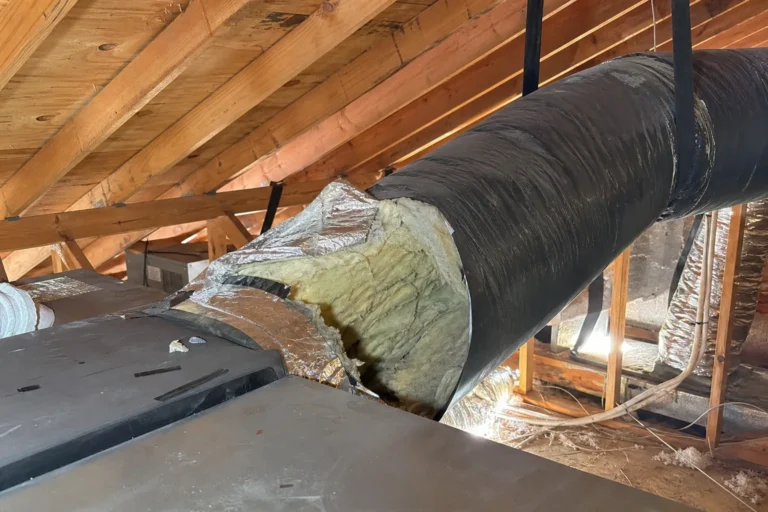
Hot upstairs rooms can point to attic heat, air leaks, duct losses, or airflow trouble instead of an AC problem...
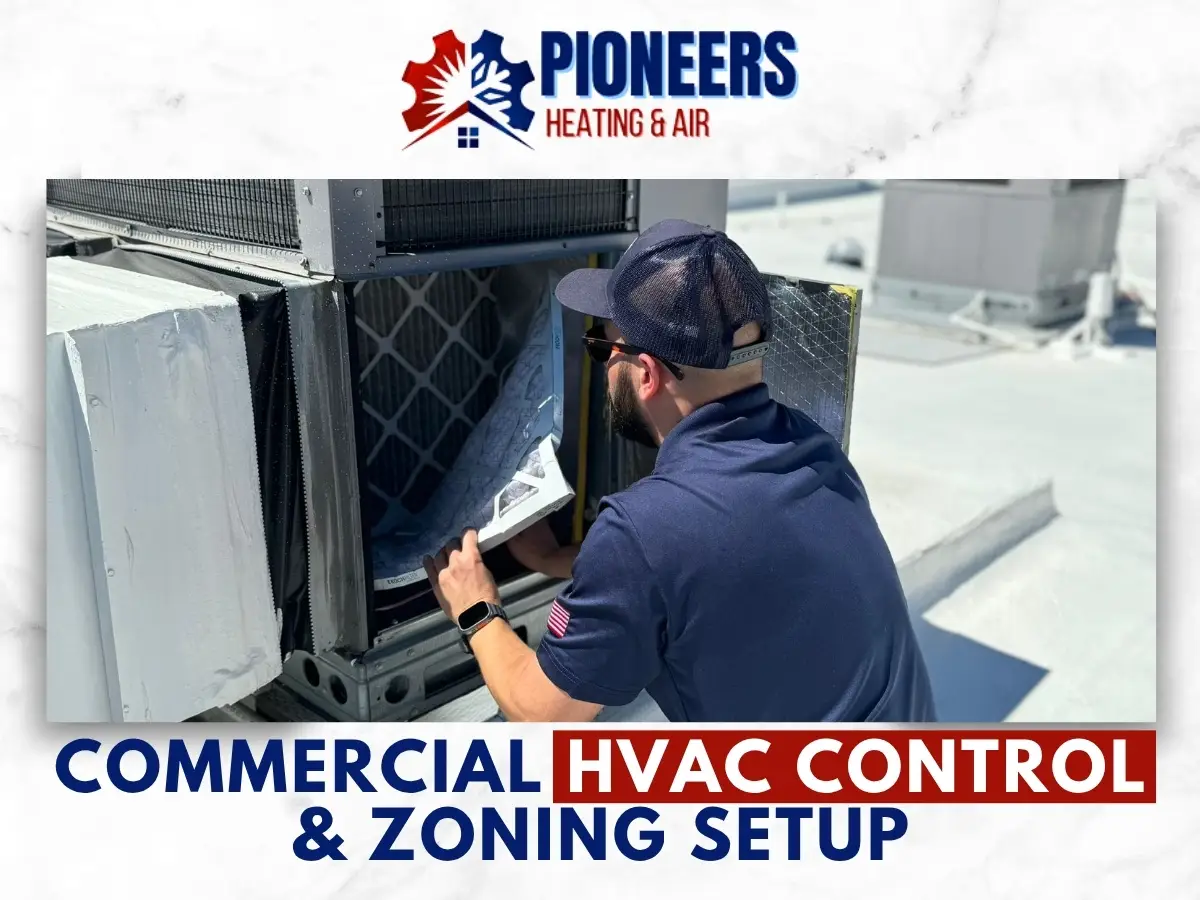
Commercial HVAC Control & Zoning Setup keeps your building comfortable without wasting energy.
Commercial HVAC Control & Zoning Setup in Pasadena helps you control temperatures by area, schedule run times, and reduce hot and cold spots. Pioneers Heating & Air sets up the zoning hardware, sensors, thermostats, and control logic so offices, retail areas, and back rooms feel right. Commercial HVAC Control & Zoning Setup in Pasadena also helps equipment run smarter.
Need Help? Call Pioneers Heating & Air near you
Commercial HVAC Control & Zoning Setup means your HVAC responds to how your building is actually used. Commercial zoning divides your space into zones and controls airflow and temperature per zone. Instead of treating the whole building like one big room, your system delivers heating and cooling where it is needed.

If you manage a building, you already know the pain points. The conference room runs hot during meetings. The server room wants cooler air all day. The lobby gets blasted by sun. Zoning gives you a practical way to handle those differences with a control plan that complements commercial HVAC system maintenance.
Better comfort is the most visible benefit, and it shows up fast. Zoning reduces the daily comfort complaints that distract staff and managers. It also limits thermostat battles, which can turn into a weird office hobby. If ongoing issues persist, pairing zoning with commercial HVAC troubleshooting and diagnostics can clarify what is driving the pattern.
Do you get the same complaint at the same time every day. That is a sign your control strategy needs work, not that your people need sweaters.
Energy savings usually come from control choices, not magic equipment. Commercial zoning helps prevent over conditioning. If a zone is satisfied, the system can reduce airflow to that area and focus on zones that still need conditioning. When waste is tied to run time, a plan that complements commercial AC maintenance can help keep results consistent.
Savings depend on your building, hours, and equipment. The biggest wins often come from correcting everything runs like it is Monday at 10 AM even on nights and weekends. If schedule control is not behaving, start with commercial HVAC inspection and tune up to confirm what is actually happening.
You may need zoning if comfort complaints keep moving around the building. Zoning is a good fit when the same HVAC system serves areas with different loads and usage patterns. When the system itself is outdated, it may also be time to discuss commercial HVAC system replacement.
If you are thinking, We have tried everything, you may have tried everything except control logic and airflow management through services like airflow balancing.
Many comfort issues come from airflow imbalance and sensor placement, not the rooftop unit itself. A strong unit cannot fix weak distribution. Zoning is often paired with balancing and control cleanup so the system can deliver air in the right amounts. This is where commercial duct balancing and control refinement work together.
Sometimes the fix is simple. Sometimes it takes a smarter control plan plus hardware changes. Either way, the first step is knowing what your system is doing today through HVAC inspection.
Our visit focuses on how your system behaves in real operating conditions. We start by listening to your comfort issues and looking at the equipment and controls already in place. Then we confirm what is possible without guessing or forcing a bad design. If there is active malfunction, we may also recommend commercial HVAC system repair before changes are made.
If you have maintenance logs or past service notes, those help. If you do not, that is fine. We can still build a plan from what we see and measure, often alongside a focused ductwork inspection.
Zoning setup options depend on your equipment type and how the building is laid out. Some buildings can use traditional ducted zoning with dampers. Others need a different approach, like separating systems by use areas, adjusting VAV controls, or improving sensor strategies. When the building layout points to separate equipment, we may discuss commercial split system services or commercial rooftop unit services.
Not sure what you have. Many commercial properties in California have a mix of rooftop units, split systems, and older control setups. We match the setup to the reality of your building, not the wish list using commercial HVAC system integration where appropriate.
Need Help? Call for Heating & Air Services
Ducted zoning uses dampers to send air where it is needed. Motorized dampers open and close based on zone demand. The control panel coordinates the calls so the system does not push air into areas that do not need it. If duct issues limit performance, we may recommend commercial air duct repair.
If a single zone is too small, it can create pressure issues. We plan zone sizes to keep the system stable, often coordinating with duct sealing where leakage affects control.
Sensor and thermostat strategy often fixes phantom problems. Bad sensor placement can make good equipment act badly. A thermostat near a glass entry can call for heat all morning. A sensor above a copier can call for cooling all afternoon. Improvements here often align with commercial thermostat programming.
Sometimes we recommend remote sensors so the control point matches the average room conditions, not the hottest corner, along with targeted commercial thermostat installation.
Scheduling and lockouts prevent conflicts and reduce run time. Many commercial systems waste energy because the schedule is too generous. Others waste energy because zones fight each other. Fine tuning may be paired with HVAC maintenance so settings stay aligned with equipment performance.
Do you really need full conditioning in every area at 6 AM. Maybe you do. Maybe you do not. We help you set it based on how the building is used and what your commercial HVAC system maintenance plan can support.
Control and zoning setup works best when we also address airflow and pressure. Zoning changes how air moves through your duct system. Without the right safeguards, you can end up with noise, comfort swings, or equipment strain. If testing suggests distribution limits, we may recommend commercial air duct testing.
| What can go wrong | What it feels like | What we address |
|---|---|---|
| Excess duct pressure | Whistling vents, loud airflow | Damper strategy, zone sizing, airflow limits |
| Short cycling | Temps swing, equipment starts and stops often | Control logic, staging, minimum run times |
| Poor return path | Some rooms feel stuffy | Return improvements, door undercuts, transfer options |
| Bad sensor location | System overreacts | Better placement, remote sensors |
This is where experience matters. Zoning is not just adding parts. It is making the whole system behave with the support of commercial HVAC system integration when controls are complex.
Most zoning projects take planning time first, then install and testing. The timeline depends on access, the number of zones, and how much control cleanup is needed. A smaller setup can move quickly once we confirm the design. Larger buildings often need phases, especially when tied into commercial HVAC system installation changes.
We will tell you what we see early, so you can plan around building operations and coordinate any commercial air duct installation work if needed.
Safety and system protection matter because zoning changes operating conditions. Commercial HVAC equipment is built to handle a range of conditions, but zoning can push it outside that range if done carelessly. If urgent issues appear, consider commercial emergency HVAC services.
If your staff is adjusting wiring or jumpers, it can get messy fast. We have seen quick fixes that turned into a Monday morning mystery. When in doubt, start with commercial HVAC troubleshooting and diagnostics.
You can prepare for a smoother visit with a few simple steps. Preparation helps us move faster and reduces back and forth. If you already schedule seasonal work, pairing this with commercial HVAC system maintenance can reduce repeat visits.
Also, let us know if any zones must stay stable, like a medical storage area or IT room. We plan around that and may recommend a priority approach supported by commercial HVAC control and zoning setup design choices.
Pioneers Heating & Air
After setup, a short observation period helps lock in the results. Controls and zones need a real world shakedown. People use spaces differently than a floor plan suggests. If ongoing issues remain, a follow up commercial HVAC inspection and tune up can confirm adjustments.
Yes, there is always one. Zoning helps, but it cannot change human nature.
Pasadena conditions make zoning especially useful for mixed exposure buildings. Pasadena, CA buildings often have zones that heat up differently throughout the day. Sun exposure, older construction, and mixed use layouts can create big swings between rooms. For buildings that also need fresh air improvements, consider ventilation upgrades.
Commercial HVAC Control & Zoning Setup in Pasadena helps you handle those patterns without cranking the whole system to satisfy one problem area. This approach fits many properties across California and CA where exposures shift throughout the day.
Building owners and managers choose Pioneers Heating & Air because we focus on clear control results. We aim to make your building easier to manage, not harder. That means straightforward explanations, clean control logic, and a setup your team can live with. When systems have multiple components, we coordinate controls with commercial HVAC system integration.
Do you want every tenant to have a thermostat, or do you want fewer controls with smarter sensors. Either can work. We talk it through so you pick the right path and align it with commercial thermostat installation decisions.
Commercial HVAC Control & Zoning Setup in Pasadena starts with a conversation about your comfort problems. If your building has hot spots, cold spots, or constant thermostat disputes, zoning may be the cleanest fix. Pioneers Heating & Air handles Commercial HVAC Control & Zoning Setup in Pasadena with planning, careful install, and real testing so the system responds by zone, not by guesswork. If you also need dependable ongoing performance, ask about commercial HVAC system maintenance.
Call (626) 217-0559 or schedule service through our Contact Us page.
Hot upstairs rooms can point to attic heat, air leaks, duct losses, or airflow trouble instead of an AC problem...
Uneven room temperatures, weak airflow, dust near vents, and long AC cycles can point to leaky attic ducts. Check the...
AC cleaning removes buildup from key cooling parts. Learn the signs that point to cleaning, routine maintenance, or a repair...