Why Upstairs Rooms Stay Hot With AC
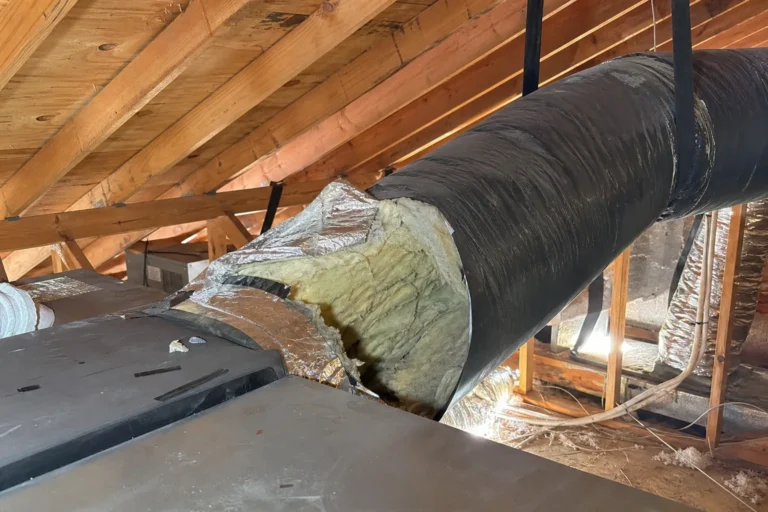
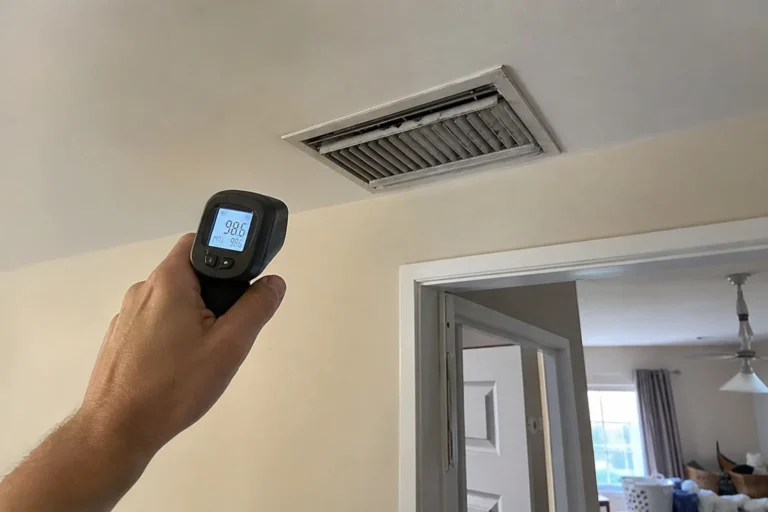
Hot upstairs rooms can point to attic heat, air leaks, duct losses, or airflow trouble instead of an AC problem...
Need fast help now? Pioneers Heating & Air offers Emergency HVAC Services In Pasadena for AC and heating repair, replacements, and same day dispatch calls today
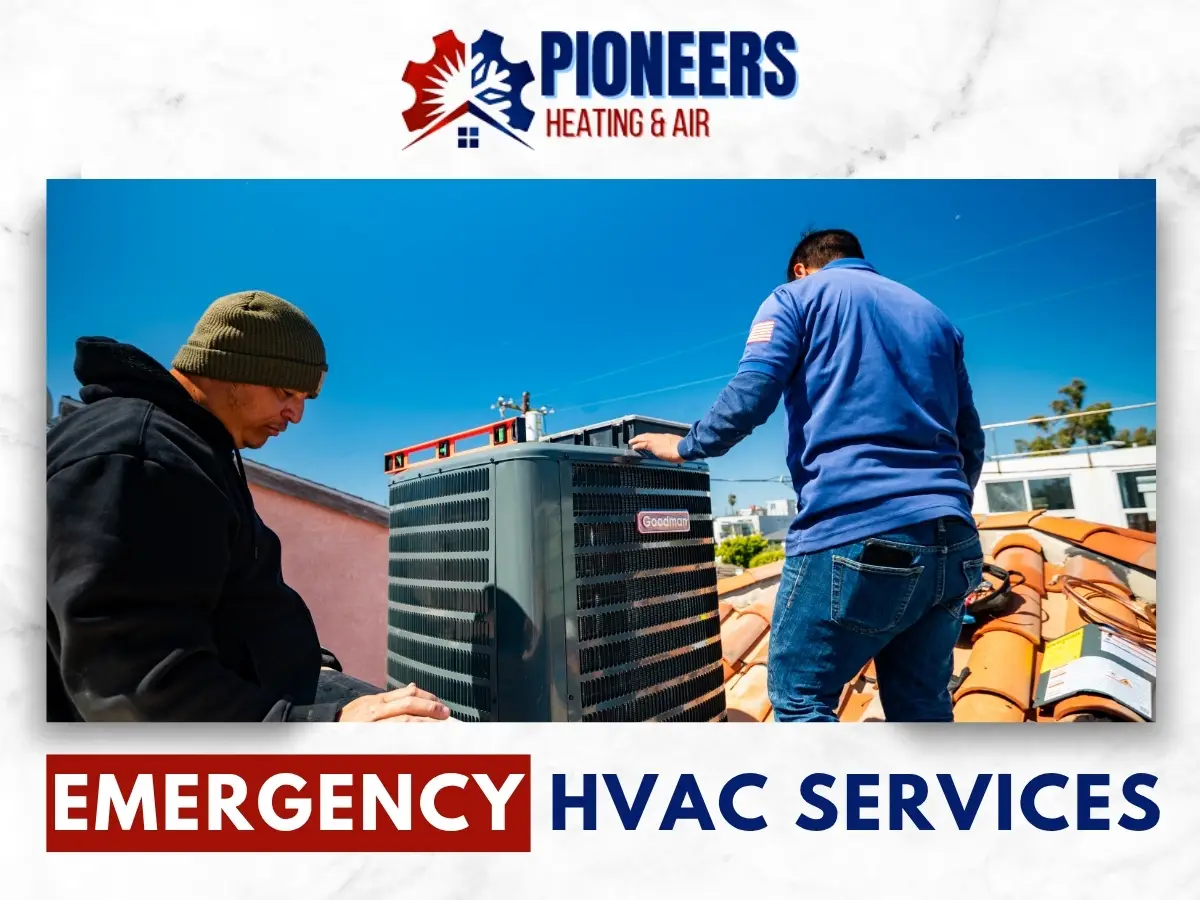
Emergency heating and AC help is about restoring safe comfort fast when your system quits at the worst time.
Pioneers Heating & Air provides Emergency HVAC Services In Pasadena for sudden AC and heater breakdowns, airflow failures, and urgent safety concerns. We troubleshoot quickly, explain what we find in plain language, and get your system running again or walk you through replacement options for Pasadena, CA homes.
Emergency HVAC Services cover urgent breakdowns that cannot wait until tomorrow.
Pioneers Heating & Air focuses on fast diagnostics and practical next steps. If you need broader help beyond urgent visits, our team also provides HVAC repair and HVAC maintenance to reduce surprise shutdowns across Pasadena, California.
Call (626) 217-0559 or visit our homepage.
Need Help? Call Pioneers Heating & Air near you
You may need urgent service when comfort drops fast or something seems unsafe. The clearest sign is a total loss of heating or cooling. Others are more subtle but still serious, especially if the system is short cycling, leaking, or tripping breakers. If you are dealing with a sudden failure, start with Emergency HVAC Services so the situation can be assessed quickly.
Do any of these sound like what is happening right now. If yes, it is time to call.

Many emergency failures start as small problems that finally hit a tipping point. A lot of urgent HVAC calls come down to wear and tear that builds up. The system may limp along for weeks, then stop during the hottest day or coldest night, which is rude but common.
Pasadena weather swings and long run times can expose weak parts fast. If your system has been kind of okay, an extreme day in California can turn that into not okay in minutes.
If you want to reduce future emergency risk, schedule HVAC tune-up planning after the immediate issue is resolved.
Our emergency visit starts with safety checks, then fast troubleshooting, then clear options. We begin by confirming the problem and making the area safe to work in. If there is a suspected gas smell or an electrical hazard, we treat that as the first priority. When needed, we follow a structured diagnostics process to avoid guessing.
We also keep the work area neat. Nobody wants an emergency visit that creates a second emergency.
We handle urgent AC repairs, heater repairs, and replacement planning when repair is not the smart move. Emergency HVAC Services can mean a quick part replacement, a drain line clearing, or restoring airflow. It can also mean helping you make a calm decision when a system is at the end of its life. If a breakdown points to deeper system issues, we may recommend HVAC inspection and a clear plan.
If replacement becomes the best path, we explain what failed, what your options are, and what to expect for timing. No pressure. Just straight talk so you can choose what fits your home. For systems that are beyond practical repair, we can discuss HVAC installation options for your home.
Need Help? Call for Heating & Air Services
A same day dispatch depends on access, symptoms, and whether parts are on hand. Many urgent problems can be diagnosed quickly. Some repairs are also quick once the issue is confirmed. Others take longer because the system must be tested under safe operating conditions, or because the failure created extra damage. For a full picture, we may suggest an HVAC inspection after the immediate repair.
Want to speed things up. Clear a path to the thermostat, indoor unit, and outdoor unit before we arrive.
If you suspect a gas or electrical issue, stop and call a pro right away. Some HVAC problems are annoying. Others are unsafe. If you smell gas, leave the area and contact the gas provider, then call for HVAC help. Do not try to see if it goes away. For problems tied to heating equipment, request heating services support right away.
If your system is making loud electrical buzzing, turn it off at the thermostat. If you can do so safely, turn off the breaker to the HVAC equipment. If you are not sure, step back and call.
For general safety guidance, you can also review information on natural gas and electrical wiring.
You can do a few safe checks before you call, but skip anything that risks damage. A couple quick checks can help, and they do not require tools or guesswork. If you try these and nothing changes, it helps us narrow down the issue. If the system still will not run, schedule Emergency HVAC Services and share what you observed.
If you see ice on the indoor coil or refrigerant lines, turn the system off and run the fan setting if it will move air. Then call. Running cooling with a frozen coil can turn a small issue into a bigger one, and it may lead to more involved AC repair.
Preparing for our arrival helps us diagnose faster and reduces back and forth. A little prep saves time, which matters during an urgent call. You do not need to deep clean your house. Just make the equipment reachable and gather a few details. If you want a deeper system review later, ask about HVAC inspection options.
If you are comfortable, take a photo of the model and serial label on the indoor and outdoor units. It can help with parts planning, especially when HVAC repair requires a specific component.
After the repair, basic care helps prevent another surprise shutdown. Once your system is back on, you want it to stay that way. We will tell you what we fixed, what to watch for, and what maintenance items should be handled soon. Many homeowners follow up with HVAC maintenance to reduce repeat failures.
If the system needed emergency service due to overheating, icing, or drainage problems, pay close attention for the next few days. Small warning signs often show up early, and catching them is better than another middle of the night surprise. A seasonal HVAC tune-up can help catch issues earlier.
Pasadena homes have patterns that can stress HVAC systems, especially during heat and wildfire season. Pasadena, CA can see hot stretches where AC systems run long hours. That constant runtime exposes weak capacitors, dirty coils, and airflow limits. Older homes can also have duct layouts that make some rooms feel warmer, which pushes people to lower thermostat settings and run the system even harder. If airflow is uneven, airflow balancing may be worth discussing once the emergency is handled.
Wildfire smoke days in California also matter. When windows stay shut, the system cycles more, and filters load faster. A clogged filter can cut airflow enough to freeze a coil or overheat a furnace. If you want added indoor air support, ask about whole home air purifier installation and how it pairs with filtration.
Do you have one room that never feels right, even when the rest of the house is okay. That is often a duct, return air, or airflow setup issue that can show up during urgent calls, and may call for ductwork inspection.
This quick table helps you decide what to do right now. Use this as a simple guide if you are not sure what counts as urgent. If the situation is active and comfort or safety is at risk, request Emergency HVAC Services.
| What you notice | What you should do now |
|---|---|
| Smell of gas or strong fuel odor | Leave the area, contact the gas provider, then call HVAC support |
| Breaker trips repeatedly when HVAC runs | Turn system off, do not keep resetting, call for service |
| Water leaking near indoor unit | Turn cooling off, check for overflow pan if visible, call to prevent damage |
| AC blowing warm air during a heat spike | Check thermostat and filter, then call if it persists |
| Heater not warming the home on a cold night | Check thermostat mode, then call if the unit will not run |
If you are still unsure, calling is easier than guessing. Guessing is how small problems learn bad habits. When the root cause is not obvious, HVAC troubleshooting and diagnostics is the fastest way to get clarity.
Homeowners call Pioneers Heating & Air because we keep the process simple and respectful. An emergency call is stressful enough. You should not have to decode technical talk or wonder what happens next. We explain what failed, what it affects, and what choices make sense for your situation. If you want to know more about our team, visit About Us.
We also know that emergencies rarely happen at a convenient time. If your HVAC system picked tonight to act up, it is not personal. It is just being an HVAC system.
Call now to schedule Emergency HVAC Services and get your comfort back on track. If your AC or heater is down, do not wait for the problem to spread into water damage, electrical trouble, or a full system shutdown. Pioneers Heating & Air is ready to help with Emergency HVAC Services In Pasadena and nearby areas in CA and across California.
Call (626) 217-0559 or request dispatch. If you can, tell us what the system is doing right now, and whether you see water, ice, smoke, or unusual smells.
Emergency HVAC services address urgent heating or cooling problems that can’t reasonably wait for a standard appointment, such as sudden system shutdowns or major performance issues.
Hot upstairs rooms can point to attic heat, air leaks, duct losses, or airflow trouble instead of an AC problem...
Uneven room temperatures, weak airflow, dust near vents, and long AC cycles can point to leaky attic ducts. Check the...
AC cleaning removes buildup from key cooling parts. Learn the signs that point to cleaning, routine maintenance, or a repair...