Why Upstairs Rooms Stay Hot With AC
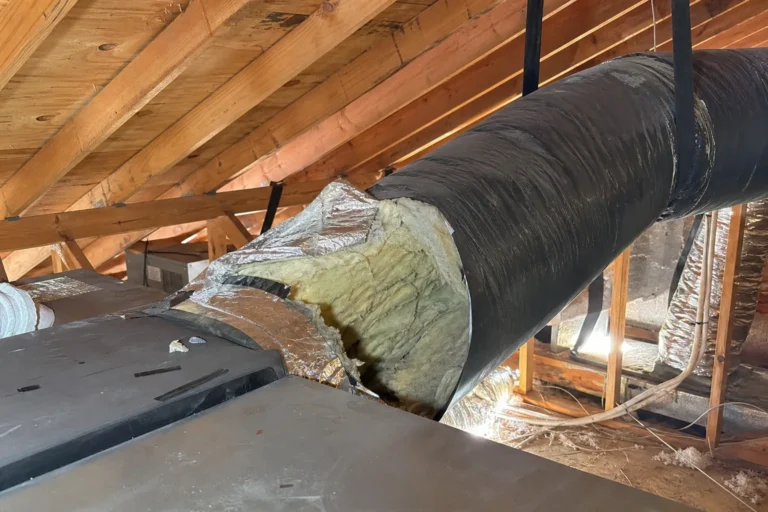
Hot upstairs rooms can point to attic heat, air leaks, duct losses, or airflow trouble instead of an AC problem...
Thermostat Programming In Pasadena with Pioneers Heating & Air. Get schedules set right, better comfort, and lower bills. Call today for expert help

Pioneers Heating & Air provides Thermostat Programming that fits your home and your schedule. Thermostat Programming in Pasadena helps your heating and cooling run on a smart schedule instead of running all day. We set up daily and weekly temperature changes, check your thermostat settings, and make sure your system responds the right way in Pasadena, CA. You get steadier comfort and less waste.
Need Help? Call Pioneers Heating & Air near you
Thermostat Programming is the process of telling your thermostat what to do and when to do it. That includes wake, away, home, and sleep settings. It also includes temperature limits, fan settings, and recovery features that start early so the house hits the target temperature on time. If you are comparing setup needs or a new control, thermostat installation and programming often go together.
Many people think programming means a complicated install. Most of the time, it is simple settings that were never set up correctly in the first place. A thermostat can be brand new and still be running like a basic on off switch.
Do you want your home comfortable when you are there, and calmer when you are not. A proper schedule is the easiest way to get there without constantly pressing buttons. If the system still behaves oddly after schedule changes, HVAC troubleshooting and diagnostics can confirm whether the issue is settings or equipment.

Thermostat issues often look like HVAC problems, even when the equipment is fine. Programming and setup problems can cause short cycling, long run times, and big temperature swings. If you suspect the equipment itself is struggling, HVAC repair may be the right next step.
If your thermostat has a screen full of icons, it should be helping you. If it feels like it is arguing with you, it is time to fix the setup. If your overall comfort still varies room to room, a HVAC inspection can identify causes beyond the schedule.
Most schedule problems come from a few repeat causes. The good news is that they are usually fixable without replacing anything. If settings look correct but performance is still inconsistent, HVAC maintenance can prevent issues that mimic control problems.
A thermostat is basically a referee. If the referee is looking the wrong way, the game is going to get weird.
Thermostat Programming in Pasadena should start with the basics, not button mashing. We look at your HVAC equipment type, your thermostat model, and how you live in the home. Then we set the schedule and confirm the system responds correctly. If your equipment needs a performance check at the same time, a HVAC tune up can pair well with scheduling.
If you tell us I just want it to work and I do not want to think about it, we get it. That is the point. If you are setting up a new control, thermostat installation plus programming can reduce future confusion.
Need Help? Call for Heating & Air Services
A schedule works best when it is simple. Too many changes can cause the system to chase temperatures all day. We aim for a few meaningful shifts that match occupancy and sleep. For homes with persistent hot and cold spots, pairing scheduling with duct sealing can improve results.
You stay comfortable, and the system avoids constant starts and stops. If your system is overdue for care, AC maintenance and filter habits can also affect how well schedules hold temperature.
Many thermostats have features that start heating or cooling early. That can be helpful, or it can be confusing. If your system starts running at 4 30 AM and you swear you set 6 00 AM, early recovery is usually the reason. If the issue is control logic beyond basic settings, HVAC zoning setup may be part of the fix in multi area homes.
If you want the thermostat to behave more predictably, we can keep features simple. If you like automation, we can set it up so it follows your routine. If the equipment cannot keep up even with correct settings, HVAC replacement may be worth discussing after evaluation.
Thermostat Programming depends on the thermostat style and the HVAC system behind it. Some homes have a single thermostat. Others have a second thermostat for upstairs, a zone panel, or a mini split setup. If you have ductless equipment, mini split air conditioners often require different control behaviors than central systems.
If you are not sure what you have, just tell us the brand name on the thermostat, or send a photo when you call. We will guide you. If the thermostat is aging or unreliable, thermostat installation may be the most efficient path before programming.
Heat pumps run differently than furnaces. If auxiliary heat settings are wrong, the system can use backup heat too often or not enough. That can feel like poor performance or slow heating. When a heat pump is not behaving correctly, heat pump installation and setup quality can also be a factor in how controls operate.
The goal is simple. Comfortable heat without the system acting confused. If backup heat runs far more than expected, heat pump repair may be needed after we verify the settings.
Two thermostats that are set very differently can create strange airflow and comfort problems. That is common in homes with an upstairs and downstairs thermostat. If zoning hardware is part of the system, HVAC zoning setup can help align control strategy.
Have you ever had the upstairs freezing while the downstairs feels fine. Schedules and fan control often play a bigger role than people expect. If the underlying airflow is the issue, ductwork inspection may be recommended.
Thermostat Programming is often done in a single visit with minimal disruption. The time depends on the thermostat model, whether the HVAC system is configured correctly, and how many schedules or zones you have. If the system shows other operational issues during testing, we may suggest HVAC inspection to document what is happening.
If we find a problem outside the thermostat settings, we will explain what we see and what your next step should be. In some cases that next step is HVAC repair rather than more schedule changes.
Thermostats usually run on low voltage, but that does not mean risk free. A wrong connection can blow a fuse on the control board. A short can stop the whole system, usually at the worst time. If you are unsure, emergency HVAC services may be the safest option when the system is down.
If you want to try a simple step first, you can check if Hold is enabled or if the fan is set to On. Past that, it is best to avoid random rewiring. Your HVAC system is not a game show button. If you need help restoring safe operation, HVAC troubleshooting and diagnostics can pinpoint the cause.
Thermostat Programming goes faster when we know how you actually use the home. Think about your routines on weekdays and weekends. Also think about sleep preferences and any rooms that run hotter or colder. If indoor air quality concerns are part of the comfort picture, ventilation upgrades can support more consistent comfort.
If more than one person changes the thermostat, pick one person to be the final decision maker for the schedule. It saves time and avoids a household thermostat debate. If you recently changed equipment, HVAC installation settings can affect how the thermostat should be configured.
Thermostat Programming should reduce daily fiddling. You should not need to adjust it every few hours. The best results come from letting the schedule run and making small changes only after a few days. Keeping the system maintained with HVAC maintenance supports stable temperatures and predictable run times.
If something feels off, make a note of the time and what happened. That detail helps us pinpoint whether it is scheduling, sensor behavior, or equipment response. If the system cannot maintain setpoint, AC repair or heating repair may be needed depending on the season.
Pasadena, California often sees warm afternoons and cooler nights, especially in shoulder seasons. That swing can make people chase the thermostat all day. A good schedule can keep the home steady without overreacting. If your comfort issues are tied to air distribution, air duct maintenance can complement better scheduling.
If you work from home in Pasadena, CA, your away period might not exist. That is fine. We can set a schedule that focuses on comfort during work hours and better sleep at night. The goal is your real life, not a generic template. For homes where insulation impacts comfort swings, attic ventilation upgrades can help reduce afternoon heat buildup.
Thermostat Programming works best when it matches how you use the home. Here is a simple way to map out a weekday. We use this type of structure during setup, then fine tune it based on how your system performs. If you have airflow concerns that affect timing, ductwork inspection can help explain why certain periods need adjustment.
| Period | Typical time | Goal | Notes |
|---|---|---|---|
| Wake | Morning | Comfort | Set to your normal morning preference |
| Away | Midday | Reduce run time | Adjust only if the home is empty |
| Home | Evening | Comfort | Start before you arrive if needed |
| Sleep | Night | Steady comfort | Avoid big swings that cause cycling |
If your thermostat supports it, weekends can have their own pattern. If your weekend looks like your weekday, we keep it simple. If you want the system checked at the same time, HVAC tune up can confirm performance matches the schedule.
Thermostat Programming should leave you feeling confident, not confused. Pioneers Heating & Air focuses on settings that matter, tests system response, and explains the choices in plain language. If you want to know more about our team, visit About Us.
Do you want to stop guessing which button fixes the problem. We can help you get the thermostat working with you, not against you. If the control itself is failing, thermostat installation may be recommended before fine tuning.
Thermostat Programming in Pasadena is a smart step if your comfort feels inconsistent or your system runs at the wrong times. Pioneers Heating & Air will set up your schedule, check key settings, and make sure your heating and cooling respond correctly for your home in CA and across California.
Call (626) 217-0559 or use our Contact Us page to schedule thermostat help.
Hot upstairs rooms can point to attic heat, air leaks, duct losses, or airflow trouble instead of an AC problem...
Uneven room temperatures, weak airflow, dust near vents, and long AC cycles can point to leaky attic ducts. Check the...
AC cleaning removes buildup from key cooling parts. Learn the signs that point to cleaning, routine maintenance, or a repair...