Why Upstairs Rooms Stay Hot With AC
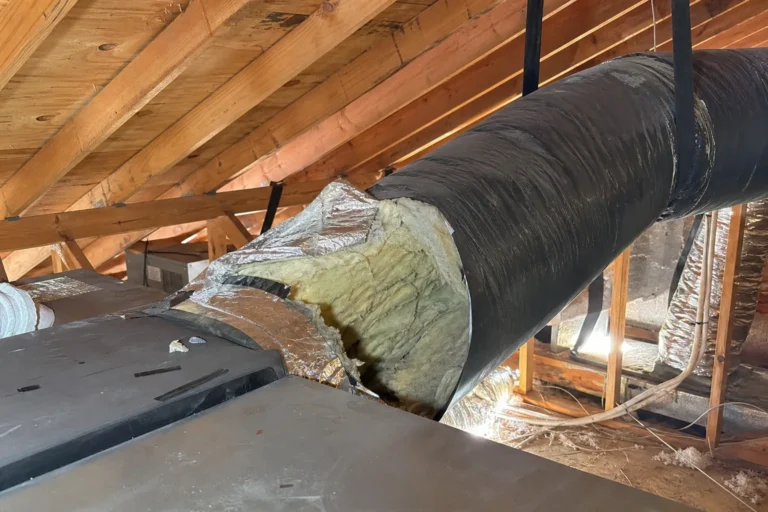
Hot upstairs rooms can point to attic heat, air leaks, duct losses, or airflow trouble instead of an AC problem...
Get Commercial HVAC System Integration In Pasadena by Pioneers Heating & Air. Connect RTUs, VRF, controls and BAS for smarter comfort and savings today
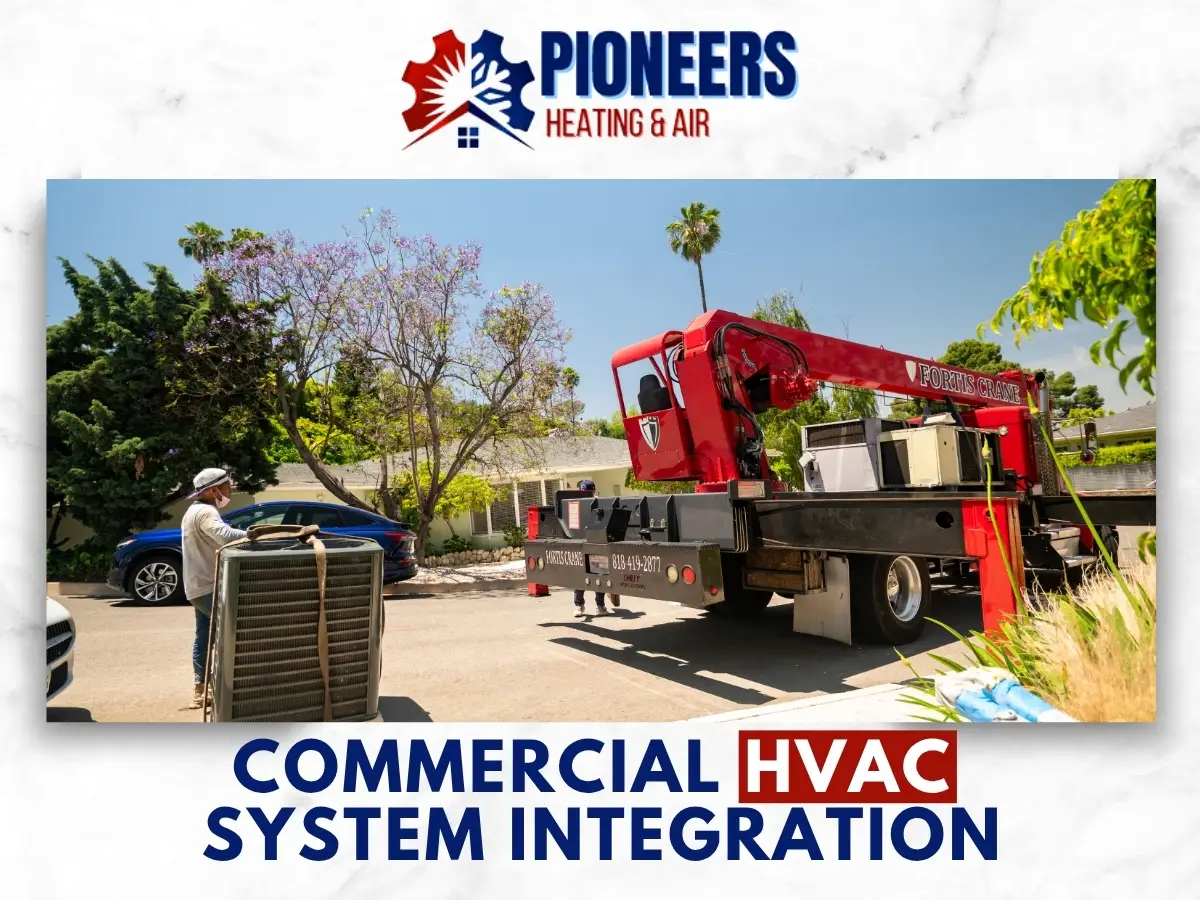
Commercial HVAC System Integration in Pasadena keeps your equipment and controls working together instead of fighting each other.
Pioneers Heating & Air helps Pasadena, CA property owners link equipment, set clear control rules, and get steadier comfort with fewer surprises. Commercial HVAC System Integration can also help reduce wasted runtime.
Commercial HVAC System Integration connects your HVAC equipment, sensors, and controls into one coordinated system.
Need Help? Call Pioneers Heating & Air near you
Commercial HVAC System Integration is the work of getting different HVAC parts to talk to each other correctly. That can include rooftop units, VRF and VRV systems, split systems, exhaust and makeup air, VAV boxes, thermostats, zone sensors, and a building automation system.
If your site has more than one type of equipment, integration matters. Without it, each system makes its own decisions. One unit may cool while another heats. Fans can run at the wrong time. Alarms might never reach the right person.
Integration is not only wiring. It also includes control logic, network setup, point mapping, trend logs, scheduling, and verifying that what you see on a screen matches what the unit is actually doing. When reliability is the concern, a focused commercial HVAC troubleshooting and diagnostics check can support the integration plan.
A system can look fine on the front end and still operate wrong in the field. Integration work verifies both views.

You may need integration if comfort complaints keep bouncing around and nobody can point to one clear cause. The clearest sign is repeat problems that do not match the health of the equipment.
Does your team ever say the unit is running so I do not know why it feels bad. That is often an integration issue, not a parts issue. If you suspect the equipment itself is failing, commercial HVAC system repair can be paired with integration findings.
Integration problems often come from mixed brands, past remodels, and control settings that drift over time. Many commercial sites in Pasadena and nearby California cities grow in phases, and the result can be a patchwork of controls.
If the system sort of works, it can be harder to spot the problem. That is where a structured integration check pays off, often alongside commercial HVAC inspection and tune up for a full view of performance.
Our visit starts by confirming how your building should operate, not guessing from the equipment alone. We begin with a simple question of what the building is trying to do during occupied hours and what it should do after hours.
If the BAS says a damper is 100 percent open, we verify it is actually open. Screens can lie. Dampers usually do not, at least not on purpose. When the issue is airflow specific, commercial duct balancing can support the final correction.
We can integrate RTUs, VRF, controls, and BAS components so your building runs on clear rules. Every building is different, so we focus on what improves control and visibility without creating extra headaches. Many sites also benefit from commercial HVAC control and zoning setup once devices are communicating.
If you are juggling multiple tenants, we can also help clarify what should be controlled centrally versus by suite. Clear boundaries prevent thermostat wars.
Need Help? Call for Heating & Air Services
A clear point map is the difference between we have a BAS and we know what is happening. A point map is the list of inputs and outputs that the BAS can read and command.
If the points are wrong, your operators chase ghosts. A targeted ductwork inspection can also help confirm what the field conditions really are when readings look suspicious.
| Point Type | What it tells you | Common issue we find |
|---|---|---|
| Status points | On off, proof, alarms | Status stuck because the input is not wired or is mislabeled |
| Analog sensors | Temps, humidity, pressure | Sensor reading wrong due to placement or scaling |
| Setpoints | Targets for temp, pressure, CO2 | Setpoint changes not sent to the right controller |
| Commands | Start stop, mode, fan speed | Command exists on screen but does not move a real output |
| Runtime data | Hours, starts, faults | Counters not trending or reset after upgrades |
Good mapping helps your team trust the system. Without that trust, people start ignoring alarms, and then the one alarm that matters gets missed.
Control sequences get tuned so equipment stops competing and starts supporting comfort. Most integration issues show up in the rules of operation, also called the sequence.
If you have ever walked into a building that feels cold enough to store lettuce, you already know why schedules and lockouts matter. When scheduling and performance drift is tied to reliability, commercial HVAC system integration can be coordinated with corrective service steps.
Integration timelines depend on your building size, access, and how many systems need to coordinate. Some work is quick, like fixing addressing conflicts or cleaning up schedules. Other projects take longer, like adding gateways, pulling new control wiring, or reworking sequences across multiple air handlers.
We plan the work around your operations. If your busiest time is daytime retail traffic, we can set up testing steps that avoid disrupting customers and staff. If you need a rapid response path during downtime, ask about commercial emergency HVAC services.
Safety matters because control work can start fans, open dampers, and energize equipment without warning. Integration involves commanding equipment on purpose, so people nearby need to know what is being tested.
If someone says why did that unit start by itself, the answer might be because somebody clicked a button. We make sure that somebody is on our team and everyone knows it is coming.
You can prepare by gathering login info, schedules, and a short list of the worst comfort zones. A little prep helps us move faster and reduces repeat visits.
If you do not have documentation, that is okay. We can still build a clear picture by verifying what is installed in the field, then align next steps with commercial HVAC system maintenance planning.
After integration, daily comfort improves most when someone owns the schedules and watches a few key trends. Once systems are connected and sequences are set, the building still needs basic attention.
Do you want fewer mystery comfort calls. Keep the schedules clean and the alarms meaningful. Those two items solve more problems than most people expect. For ongoing stability, schedule periodic HVAC maintenance and targeted HVAC tune up visits.
Pioneers Heating & Air
Pasadena, CA buildings face mixed use demands that make coordinated controls even more valuable. Pasadena properties often include a blend of offices, medical spaces, retail, and older buildings that have been updated in phases.
Commercial HVAC System Integration in Pasadena helps align these moving parts so your building responds to real conditions, not guesswork. For projects that involve new equipment, coordination with commercial HVAC system installation can reduce rework later.
Building owners and facility teams choose Pioneers Heating & Air because we focus on clear outcomes and clean communication. You need comfort, control, and fewer surprises, plus a contractor who can explain what changed and why.
Controls can be picky. Buildings can be picky too. We stay patient, methodical, and focused on what will actually help your occupants.
Commercial HVAC System Integration works best when it supports your staff, not when it creates a second job for them. The goal is fewer manual workarounds and clearer operations.
If your staff has to babysit the building every day, the controls are not doing their job.
Commercial HVAC System Integration in Pasadena can also support better planning for repairs and replacements. Integration work often reveals what is actually failing versus what is being blamed.
Once the system is connected and trending, you can see which units run the most and which short cycle. You can spot drifting sensor readings before comfort complaints explode. You can catch outside air issues that raise humidity or create stuffy spaces.
You can also schedule service when it is convenient, not when the building forces you. When urgent issues do happen, emergency HVAC services can be a fallback path.
If you are adding equipment or remodeling, integration should be planned before install day. Controls are easiest to coordinate when everyone agrees on the plan early.
Have a tenant improvement project coming up in Pasadena or nearby. Planning integration early can save a lot of late night troubleshooting. If new cooling capacity is part of the scope, align plans with commercial AC installation and commercial AC replacement decisions.
Explore related work that often supports integration and long term performance.
Book Commercial HVAC System Integration in Pasadena with Pioneers Heating & Air to get your systems operating on one clear playbook.
If your RTUs, VRF, thermostats, and BAS are not working together, we can help bring order back to the building. For Commercial HVAC System Integration in Pasadena, call (626) 217-0559 or use our Contact Us page to schedule a visit and talk through what you are seeing on site.
Hot upstairs rooms can point to attic heat, air leaks, duct losses, or airflow trouble instead of an AC problem...
Uneven room temperatures, weak airflow, dust near vents, and long AC cycles can point to leaky attic ducts. Check the...
AC cleaning removes buildup from key cooling parts. Learn the signs that point to cleaning, routine maintenance, or a repair...