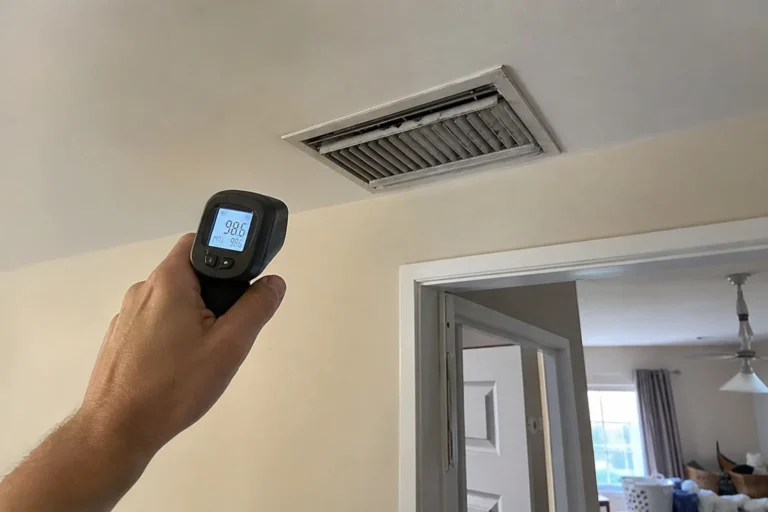
Why Upstairs Rooms Stay Hot With AC
Hot upstairs rooms can point to attic heat, air leaks, duct losses, or airflow trouble instead of an AC problem...

Blown-In Insulation Installation in Pasadena helps fill the hidden gaps that let heat, noise, and dust move through your home.
Blown-In Insulation Installation in Pasadena is a fast way to add insulation to attics and wall cavities without major tear-out. Pioneers Heating & Air helps Pasadena, CA homeowners choose the right insulation type, prep the space, and install it evenly for better comfort and steadier indoor temperatures.
Need Help? Call Pioneers Heating & Air near you
Blown-in insulation is loose material that gets installed to form an even thermal blanket.
Blown-in insulation is made of small fibers or pellets that a machine blows through a hose into the spaces that need coverage. It works especially well in attics with odd angles, tight corners, and hard-to-reach bays.
Many homes in California, including older houses around Pasadena, have insulation that is thin, uneven, or disturbed by past work. Even newer homes can end up with gaps after electrical or HVAC updates. Blown-in insulation helps close those gaps without the pull everything apart stress.
You may be wondering if this is only an attic thing. Often, yes. Attics are the biggest win because heat moves up and out. Walls can also be improved in certain cases, based on access and the layout of the home.
If you suspect attic gaps are affecting system performance, pairing insulation with an HVAC inspection can help confirm what is driving comfort issues.

Blown-in insulation improves comfort by slowing heat flow through ceilings and walls.
Insulation does not make heating or cooling. It helps your conditioned air stay where you want it. That reduces hot and cold spots, helps rooms feel more even, and can cut down on how hard your HVAC system has to run. Many homeowners also choose to combine insulation work with attic air sealing to reduce drafts and dust movement.
Blown-in insulation can reduce outside noise that travels through weak spots.
If you hear traffic, neighbors, or barking that seems to come through the ceiling or certain walls, insulation may help. It will not turn your home into a recording studio. It can take the edge off, especially when the main issue is air leakage and thin coverage. If air movement through ducts is part of the noise issue, airflow balancing can help address room to room differences.
You may need more insulation if your home feels uneven or your HVAC runs nonstop.
Insulation problems show up in small daily annoyances. Many people live with them for years, then realize they do not have to.
Do you avoid using certain rooms because they are always uncomfortable. That is a strong clue your attic or walls are not doing their job. If the system seems to be working harder than it should, it can also be worth reviewing HVAC maintenance basics so airflow and equipment condition are not adding to the problem.
Uneven attic coverage is a common reason for hot bedrooms and stuffy hallways.
Insulation often gets moved around by foot traffic, storage boxes, or past repairs. Once it is disturbed, it leaves bare patches. Bare patches act like open windows for heat. If attic airflow is part of the issue, attic ventilation upgrades can help support a healthier attic environment.
Air leaks often get blamed on windows, but the attic is usually the bigger culprit.
Small gaps around recessed lights, plumbing penetrations, and attic hatches can leak a surprising amount of air. Insulation helps, but air sealing is also part of doing the job right, which is why many homeowners add air sealing to the same project plan.
Most insulation problems come from settling, gaps, or old materials that no longer perform well.
Blown-in insulation can solve several root issues, but it helps to know what caused the problem.
If you are not sure what you have up there, you are not alone. Most homeowners only see the attic once or twice, usually while balancing on a ladder and regretting their life choices. If old or contaminated insulation needs to be handled first, attic insulation removal may be the right starting point.
Pasadena homes with older construction often have mixed insulation types and inconsistent coverage.
It is common to find a blend of older batts, loose material, and empty bays in the same attic. That patchwork leads to patchwork comfort. In some cases, replacing the old mix with a consistent system using attic insulation replacement is the cleanest long term approach.
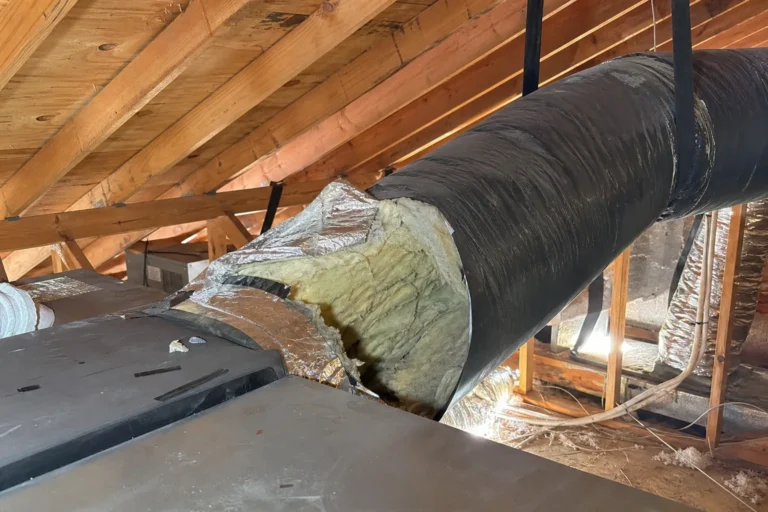
Duct issues can mimic insulation issues, so we check both.
As an HVAC contractor, Pioneers Heating & Air looks at insulation in the real world, not in isolation. If duct leaks or poor airflow are the true problem, we will tell you. Insulation helps, but it should not be used to cover up another issue. When needed, we may recommend ductwork inspection or duct sealing so comfort improvements stack up.
Need Help? Call for Heating & Air Services
Our installation visit focuses on access, cleanliness, and even coverage from end to end.
A good insulation job is not just blow it in and leave. The results depend on prep work, airflow planning, and consistent depth. If old material is disturbed or missing in key areas, we may also discuss insulation replacement options.
You should be able to see a clear difference in how consistent the attic coverage looks when we are done. No mountains and valleys. Just a level blanket where it counts.
We protect your home by controlling dust and keeping work areas organized.
Insulation work can be messy if a crew treats your home like a construction site. We take practical steps to keep pathways clear and reduce tracked in dust. A clean setup also helps the job go faster and smoother. If indoor air concerns are a priority, some homeowners also consider air duct cleaning to reduce buildup that can circulate after home projects.
We aim for consistent depth because thin spots are where comfort problems start.
If insulation is thick in the middle but thin at the edges, the edges will still leak heat. Even coverage is the goal, especially near exterior walls and eaves. If ventilation is restricted, we may recommend ventilation upgrades to support airflow and moisture control.
Blown-in installation options depend on your attic layout, existing material, and goals.
Not every attic needs the same approach. Some homes need a simple top off. Others need old material addressed first. For homes that prefer a different insulation format, batt and roll insulation installation can also be discussed when the layout fits.
We will also talk through ventilation basics. Insulation and ventilation need to work together. The goal is comfort and steady indoor conditions, not a stuffy attic that holds moisture. For some homes, attic ventilation upgrades are the missing piece.
Attic hatch areas matter because they are a common weak spot.
If your attic hatch is uninsulated or poorly sealed, it can undo a lot of good work. We pay attention to that area so you are not losing comfort through a big panel in the ceiling. Addressing leakage at the top of the home often goes hand in hand with air sealing.
Recessed lights and attic penetrations need careful handling.
Some fixtures and penetrations need space or specific materials around them for safety. We keep those clearances in mind while still getting solid coverage where possible. If your home has ongoing electrical or comfort concerns, pairing the visit with HVAC troubleshooting and diagnostics can help identify overlapping issues.
Most blown-in jobs can be completed in a single visit, but access and prep can add time.
The timeline depends on attic size, how easy it is to move around, and how much prep is needed. If the home is also due for seasonal system care, some owners schedule HVAC tune-up work around the same time to support comfort results.
If you are on a schedule, tell us early. We will plan the visit in a way that respects your time and your home.
A clear attic makes for better results, not just faster work. If we can reach the eaves and outer bays, we can build a more consistent blanket. That is where many comfort problems hide.
Pioneers Heating & Air
Safety comes first, and some attic issues are a stop and call situation.
Attics can be tricky spaces. Heat, low clearance, exposed nails, and electrical lines are common. Some homeowners like DIY projects, but insulation is one area where caution is smart. For general insulation context, you can review building insulation.
If you still want to look around the attic yourself, pick a cooler time of day in Pasadena. Bring a good flashlight. Step only on framing, not drywall. And remember I will just take one step over there is how people meet their ceiling the hard way. If you need guidance on airflow pathways, ventilation upgrades can support safer moisture control.
Blown-in insulation should never block ventilation paths at soffits.
Air needs a path to move as intended. Blocking soffit ventilation can create heat and moisture issues. The install should keep airflow paths open while still improving coverage. When attic airflow is a concern, attic ventilation upgrades may be part of the plan.
You can prepare in a few simple ways that make the day go smoother.
A little prep helps protect your belongings and speeds up the work. If the attic has older damaged insulation, we may discuss removal before new material is installed.
If you have attic storage you cannot move, tell us. We can discuss realistic coverage options around it. If you are also dealing with dust movement through the home, pairing the project with duct sanitizing may be helpful in some situations.
Your notes about comfort patterns help us focus on the right areas.
Does the upstairs get hot every afternoon. Does one bedroom stay chilly in winter. Those details help us plan where to pay extra attention. If temperature differences persist, airflow balancing can help verify the distribution side of the system.
After installation, small habits help you keep the gains for the long run.
Once new insulation is in place, the next step is keeping it from getting disturbed.
If you still feel big temperature swings, it may be time to look at duct leakage, airflow balance, or thermostat placement. Insulation is a big piece, but it is not the only piece. You can explore duct sealing or thermostat installation as next steps when appropriate.
Your HVAC system can benefit when the home holds temperature better.
When your home loses less heat in winter and gains less heat in summer, your system does not need to cycle as aggressively. That can help day to day comfort and reduce that always running feeling. If equipment age is part of the concern, HVAC replacement can be discussed after the home envelope is improved.
Pasadena conditions make attic insulation especially valuable during warm spells and cool nights.
Pasadena, California weather can swing from warm afternoons to cooler evenings, especially in certain seasons. Homes that leak heat through the attic tend to feel those swings more sharply. Many homeowners in CA choose to start with insulation and air sealing before making bigger equipment changes like AC replacement.
If your second floor feels like a different climate zone than your first, your attic is a smart place to start. If airflow is uneven across rooms, airflow balancing can help confirm the distribution side is working as intended.
California homes often benefit from a whole-home comfort view, not a single quick fix.
Insulation, ducts, ventilation, and equipment setup all affect comfort. Pioneers Heating & Air looks at the full picture so your improvements stack up instead of fighting each other. When needed, that may include HVAC installation planning after envelope improvements.
This is why homeowners call Pioneers Heating & Air for insulation work tied to real comfort results.
You want the job done cleanly, safely, and with clear communication. You also want someone who understands how insulation and HVAC performance connect. If you would like to learn more about the team, visit the About Us page.
Do you want a quieter home. Do you want rooms to feel more consistent without constantly adjusting the thermostat. Those are the kinds of goals we talk through before we start.
You get straightforward communication from start to finish.
You should know what is happening in your attic and why. We keep it simple and focus on what affects comfort, indoor air movement, and the way your home feels day to day. If your system performance is part of the conversation, we can also review HVAC repair needs alongside insulation improvements.
Blown-In Insulation Installation in Pasadena starts with a quick conversation and a plan that fits your home.
If you are ready to improve comfort and reduce drafts, we can help you figure out the next step. Pioneers Heating & Air handles blown-in insulation installation with careful prep, even coverage, and attention to the details that matter in Pasadena, CA. For this service, see Blown-In Insulation Installation.
Call (626) 217-0559 or visit the Contact Us page to schedule your insulation installation.
Hot upstairs rooms can point to attic heat, air leaks, duct losses, or airflow trouble instead of an AC problem...
Uneven room temperatures, weak airflow, dust near vents, and long AC cycles can point to leaky attic ducts. Check the...
AC cleaning removes buildup from key cooling parts. Learn the signs that point to cleaning, routine maintenance, or a repair...