Why Upstairs Rooms Stay Hot With AC
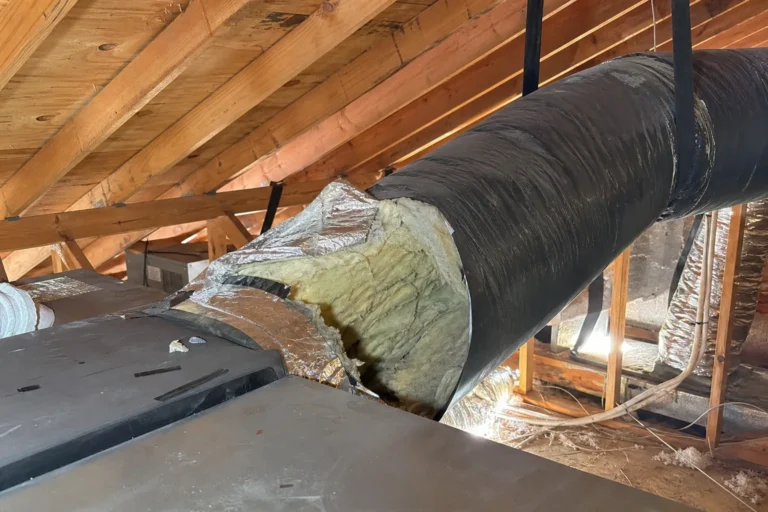
Hot upstairs rooms can point to attic heat, air leaks, duct losses, or airflow trouble instead of an AC problem...
Book an HVAC Tune Up In Pasadena with Pioneers Heating and Air for a cleaner safer system, lower bills, and dependable comfort. Schedule today online or call now
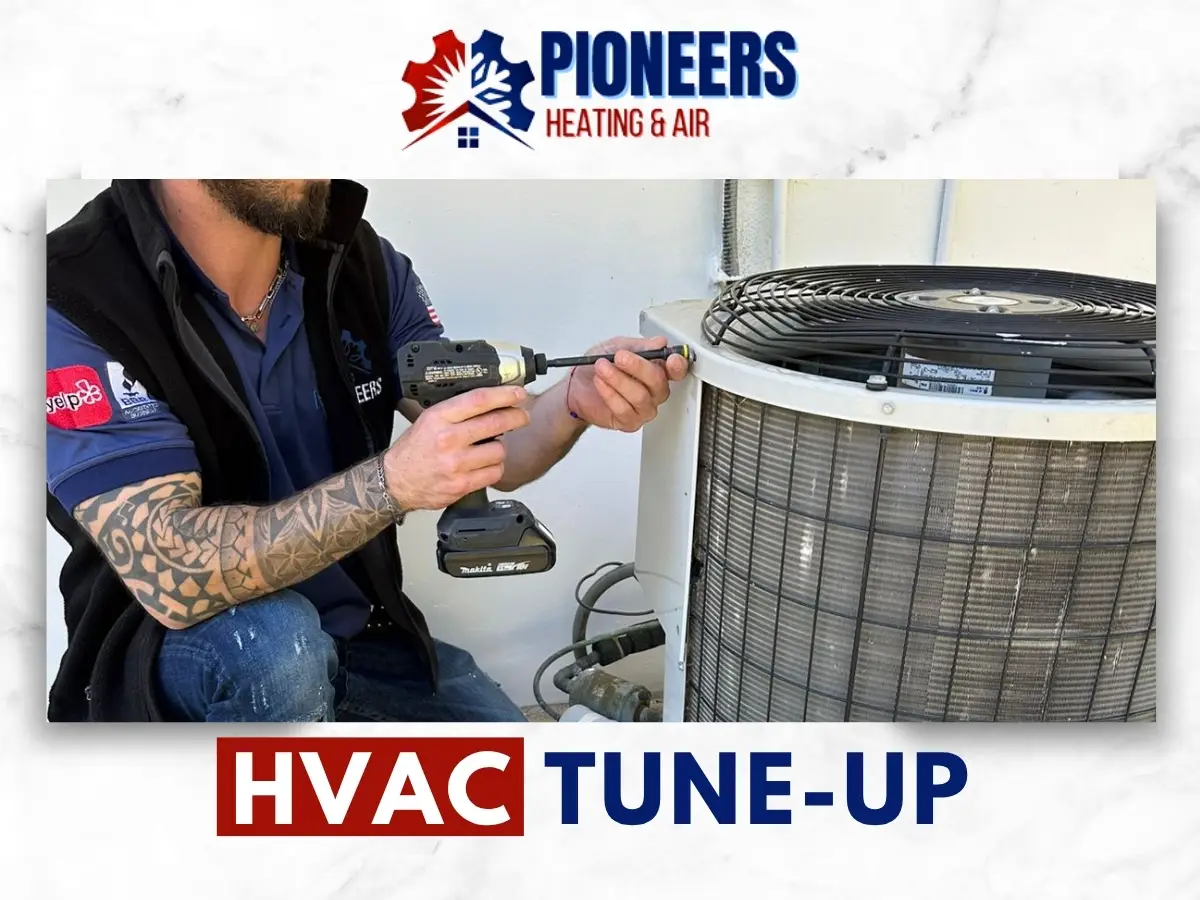
HVAC tune-ups keep your system clean, safe, and steady through Pasadena heat and cool nights. An HVAC Tune-Up In Pasadena checks your heating and cooling system for dirty parts, weak airflow, and small issues that turn into big repairs. Pioneers Heating & Air inspects, cleans, tests, and adjusts key components so your home feels consistent, your equipment runs smoother, and surprise breakdowns are less likely.
An HVAC tune-up is a planned checkup that helps your system run better. An HVAC Tune-Up focuses on the parts that affect comfort, safety, and efficiency the most. Think of it like changing the oil and checking the brakes before a long drive. Your system might still work today, but small problems can quietly raise energy use and wear out parts faster.
A tune-up is not the same as a repair visit. Repairs fix a known failure. A tune-up looks for early trouble and improves overall performance. If we find a clear problem, we will explain what it is and what your next options look like, which may include HVAC repair or deeper HVAC troubleshooting and diagnostics.
Need Help? Call Pioneers Heating & Air near you
If you are asking, Do I really need this if the air is cold or the heat turns on. That is a fair question. Many systems keep running while slipping in performance, and you feel it as uneven rooms, higher bills, or longer run times. A tune-up helps most right before heavy use in summer or winter, and it pairs well with ongoing HVAC maintenance.
In Pasadena, CA, long cooling stretches can push older equipment hard, especially if the outdoor unit is dirty or airflow is restricted. Cooler evenings can also reveal heating issues that did not show up during mild weather. If your system needs more than a tune-up, we may recommend targeted heating repair or AC repair based on what we find.
People also book tune-ups after home projects. New flooring, drywall work, or even heavy dust can clog filters and coat indoor coils. If your home has pets, that fur finds its way into places it should not be. In some homes, airflow issues also trace back to duct concerns that benefit from air duct maintenance or ductwork inspection.

A tune-up makes sense when performance is slipping, even if the system still runs. Watch for these clues.
If you are unsure, a simple rule helps. If it has been a while since anyone looked at the system, scheduling an HVAC inspection and tune-up is usually the next smart step.
Dirty coils, restricted airflow, and loose electrical parts cause many comfort problems. Most HVAC trouble starts with basics. Air has to move, heat has to transfer, and components have to stay within safe operating limits. When one piece is off, the rest of the system works harder, and it can lead to HVAC repair needs later.
Many of these issues are fixable during routine service. Others need a separate repair plan. Either way, you will know what is happening and why it matters, and we can outline next steps such as troubleshooting and diagnostics.
Our tune-up visit follows a clear, step-by-step process. A good tune-up is consistent, not random. Pioneers Heating & Air uses a practical checklist that focuses on safety, performance, and wear points. We also keep you in the loop, because it is your system and your home.
If you have a heat pump, we also pay attention to reversing valve behavior and heating mode operation, and we can recommend heat pump repair if something is not switching correctly. If you have a furnace, we check the heating sequence and watch for signs of abnormal operation that may point toward furnace repair.
If something points to a repair, we will explain it in plain language and show you what we found.
Need Help? Call for Heating & Air Services
We focus on the items that impact comfort, safety, and system life. A tune-up should not be busywork. It should target the things that cause real failures and high energy use. That is why we prioritize airflow, coil condition, electrical health, and moisture control, and we may suggest follow-up services like air duct cleaning when buildup is affecting performance.
And yes, we pay attention to the small stuff too. A loose panel, a rubbing wire, or a wobbly fan can turn into a noisy headache later.
This quick table shows what a tune-up helps prevent. A simple view helps connect symptoms to causes. Here is a short guide we use when talking through findings.
| What you notice at home | What may be going on | What a tune-up addresses |
|---|---|---|
| Weak airflow | Dirty filter, blower buildup, duct restriction | Airflow checks, filter guidance, blower inspection |
| Longer run times | Dirty coils, low heat transfer, airflow limits | Coil condition review, cleaning focus, operational testing |
| Musty smell | Moisture issues, dirty components | Drain check, moisture inspection, cleaning where needed |
| Random shutoffs | Electrical wear, overheating, control issues | Electrical inspection, temperature and operation checks |
| Uneven rooms | Airflow balance, duct leakage, restriction | Airflow evaluation and recommendations |
When airflow balance or duct leakage stands out, we may recommend next steps such as airflow balancing or duct sealing.
A tune-up can include options based on your system type and needs. Not every home has the same setup. Some have a split system with a furnace and AC. Others have a heat pump. Some homes have zoning, high ceilings, older ducts, or add-on rooms that never feel right. If zoning is part of your comfort issue, we can discuss HVAC zoning setup as a longer term improvement.
We adjust the visit based on what you have, including central air conditioners, furnaces, heat pumps, ducted systems, and thermostat control setups. If your biggest issue sounds like a system sizing or aging problem, we can also discuss future planning for HVAC replacement or AC replacement without pressure.
If you tell us your biggest complaint at the start, we can focus testing around it. Is the back bedroom always warmer. Does the system short cycle. Do you get hot spots in the afternoon. Those details help.
Most tune-ups take about one to two hours, depending on access and condition. Time depends on how easy it is to reach the indoor unit, how dirty the equipment is, and whether the system needs extra troubleshooting. If extra testing is needed, we may recommend a dedicated HVAC troubleshooting and diagnostics visit.
We work carefully and keep the work area neat. If we need you to make a decision on next steps, we will pause and talk it through.
Safety comes first, and some signs mean you should stop and call. Some HVAC issues are not wait and see. If you notice any of the items below, shut the system off and contact a professional. If the system is failing during extreme weather, you may need emergency HVAC services.
If you suspect a gas issue, take it seriously. Leave the area and contact the appropriate emergency service if you feel unsafe. For day-to-day tune-ups, we still keep a safety mindset, and if needed we can pivot into heating services recommendations based on what we see.
You can prepare in a few minutes and help the visit go smoother. A little prep saves time and helps us focus on the system, not obstacles.
Also, tell us if you have had recent remodeling or heavy dust. That changes what we look for first and may make services like air duct cleaning more relevant.
After the tune-up, simple habits help you keep the benefits. Your HVAC system runs more hours than most appliances. A few small routines keep it closer to tuned between visits, especially during California heat.
If the answer to Did my system feel the same this month as last month is no, it is worth a closer look, starting with an HVAC inspection or a seasonal AC maintenance check.
Pasadena conditions can strain HVAC systems in specific ways. Pasadena weather often means strong cooling demand during hot stretches, then cooler nights that can make temperature swings feel bigger. Many homes also deal with dust, pollen, and outdoor debris that collect around condensers and filters, which is why AC cleaning and airflow checks matter.
Local home styles matter too. Older homes may have ductwork that has seen better days. Additions and converted spaces can create airflow imbalance. Two-story layouts often need smart airflow management, and in some cases we may recommend airflow balancing to help comfort feel more even.
If your home is near busier streets, filters can load faster. If you have mature landscaping, outdoor units can collect leaves and fine debris. None of this is rare. It just means a tune-up should pay attention to airflow and coil condition.
Homeowners choose Pioneers Heating & Air for straightforward work and clear communication. You should not need a dictionary to understand your HVAC system. We explain what we see, what it affects, and what can wait versus what should be handled soon. If something is working well, we say that too. If the system needs broader work, we can outline options like HVAC installation planning without pressure.
If you are tired of guessing, a tune-up is a solid reset, and if the issue turns out to be equipment age or capacity, we can discuss HVAC replacement planning.
An HVAC tune-up is also a chance to catch small issues before they grow. Small HVAC problems rarely stay small. A weak capacitor can lead to hard starts. A clogged drain can lead to water damage. Restricted airflow can lead to coil icing and poor cooling, and may eventually require AC repair.
If we find something, we will walk you through the impact. You decide what you want to do next.
If your system is older, a tune-up helps you plan instead of panic. Older systems can still run well, but they need a closer eye on airflow, electrical condition, and general performance. A tune-up gives you a clearer picture of how the system is operating right now, and whether it is struggling during normal conditions. If planning points toward replacement, we can talk through AC installation or broader HVAC installation options.
Planning beats panic. It is better to understand your system during a calm week than during the first big heat wave. Pasadena summers have a way of showing you every weak point at once. If you have been thinking it is probably fine, the tune-up confirms it.
Schedule your HVAC Tune-Up In Pasadena with Pioneers Heating & Air. If you want steadier comfort and fewer surprises, book an HVAC Tune-Up In Pasadena with our team. Pioneers Heating & Air serves homeowners across Pasadena, California and nearby areas with practical maintenance that focuses on how your system actually runs.
Call (626) 217-0559 to schedule, or use our Contact Us page.
Hot upstairs rooms can point to attic heat, air leaks, duct losses, or airflow trouble instead of an AC problem...
Uneven room temperatures, weak airflow, dust near vents, and long AC cycles can point to leaky attic ducts. Check the...
AC cleaning removes buildup from key cooling parts. Learn the signs that point to cleaning, routine maintenance, or a repair...