Why Upstairs Rooms Stay Hot With AC
Hot upstairs rooms can point to attic heat, air leaks, duct losses, or airflow trouble instead of an AC problem...
Thermostat Installation In Pasadena from Pioneers Heating & Air. Smart and programmable installs, clean wiring, quick scheduling, upfront pricing call now

Thermostat Installation that makes your system easier to control in Pasadena, CA
Pioneers Heating & Air handles Thermostat Installation in Pasadena for homeowners who want clean wiring, steady comfort, and controls that make sense. We match the thermostat to your HVAC system and show you how to use it without a manual marathon.
Thermostat installation covers selecting the right control, wiring it correctly, and setting it up for your system. A thermostat is the on and off brain for your furnace, heat pump, and air conditioner. If it is wrong for the equipment, wired incorrectly, or set up poorly, your comfort can swing all day.
Our Thermostat Installation service is meant to prevent those headaches. We help you choose a thermostat that fits your system type and your daily routine. Then we install it cleanly, confirm the equipment responds correctly, and set up basic schedules or smart features you will actually use.
Do you want simple buttons and a clear screen, or do you prefer app control and scheduling. Either way, the thermostat has to communicate correctly with your HVAC equipment.
Need Help? Call Pioneers Heating & Air near you
You may need a new thermostat when comfort is uneven, the system short cycles, or controls feel unreliable. Thermostats tend to fail quietly, then loudly. Many people assume the HVAC unit is the issue, but the control can be the real culprit.
If your thermostat is in a hallway that bakes in afternoon sun, it can think the whole house is hotter than it is. Placement matters more than most people expect.
If the symptoms feel like broader system trouble, we can start with HVAC troubleshooting and diagnostics to confirm whether the issue is the control or the equipment.

The most common causes are mismatched thermostat type, wiring problems, bad placement, or setup errors. Thermostat trouble usually comes from a few predictable sources. Fixing those means fewer callbacks and less frustration.
Mismatch between thermostat and HVAC system causes confusing behavior. Some systems need specific controls. A heat pump setup is not the same as a standard furnace and AC. Multi stage equipment also needs the thermostat to call for the right stage at the right time.
If you are changing equipment, pairing the right control with an HVAC installation or HVAC replacement helps avoid comfort swings.
Wiring issues can create intermittent operation. Loose connections, corroded wires, and cramped wall cavities can cause signals to drop. Sometimes the issue is a damaged cable behind the wall.
When wiring or system response seems inconsistent, an HVAC inspection can help verify control wiring, fuses, and basic equipment response.
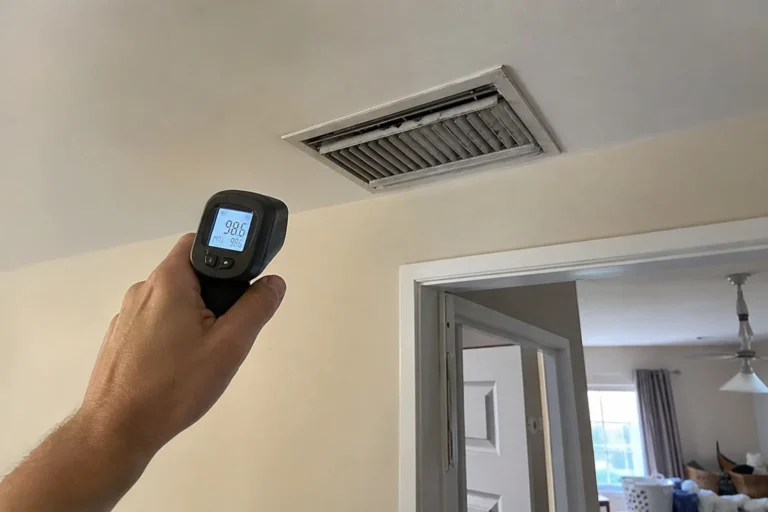
Poor thermostat location can fool the system. If the thermostat is near a supply vent, in direct sun, near the kitchen, or by a drafty door, it reads the wrong temperature. Your HVAC then chases that wrong reading.
If uneven comfort seems tied to airflow, we may recommend airflow balancing so the thermostat can control a home that is receiving air more evenly.
Setup issues are common with smart and programmable thermostats. Even a perfectly installed thermostat can perform poorly if settings are wrong.
If your thermostat seems to have a mind of its own, it may just be configured for the wrong equipment. For ongoing help after install, see Thermostat Programming.
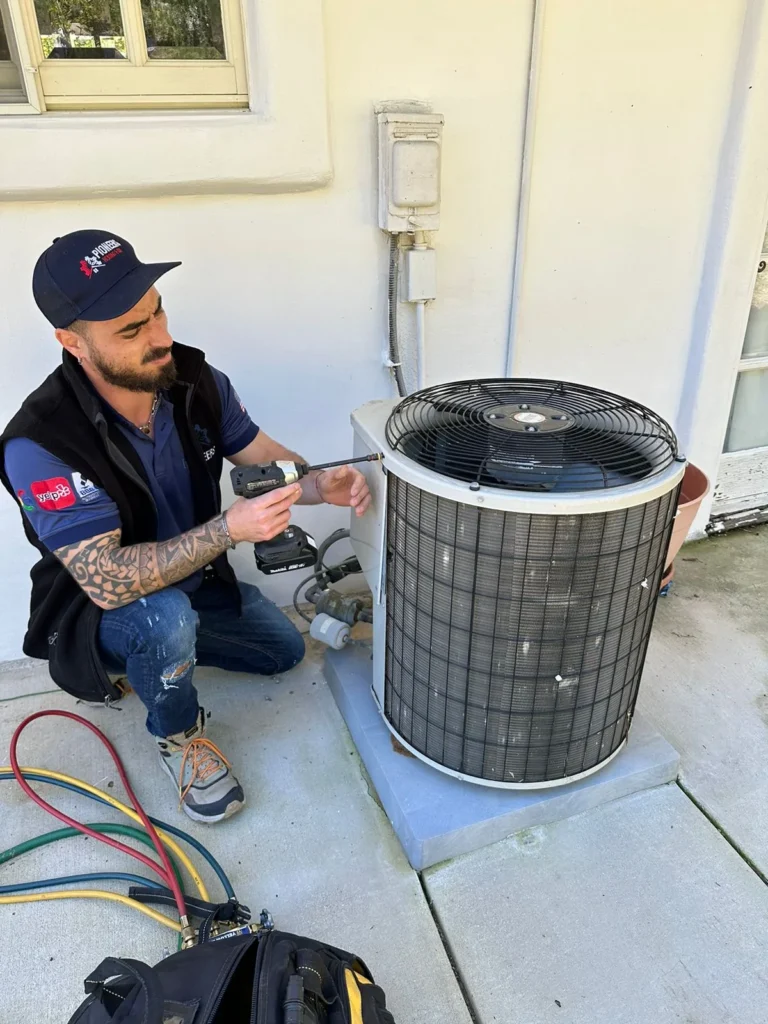
Our visit includes a system check, safe installation, and a clear walkthrough you can actually remember. We keep the appointment focused and practical. The goal is a thermostat that controls the system correctly and is easy for you to live with.
If you have ever stared at a thermostat screen thinking, Who wrote this menu, you are not alone. We keep the walkthrough simple.
Need Help? Call for Heating & Air Services
We install smart, programmable, and standard thermostats based on how you use your home. The best thermostat is the one that fits your system and your lifestyle. Fancy features are great, but only if you will use them.
Smart thermostat installation gives app control and helpful automation. Smart thermostats can work well for many Pasadena households. They can provide phone control, alerts, and learning features, depending on the model.
Smart models still need correct setup for your HVAC type. If you want help dialing in settings after install, we can support with thermostat programming.
Programmable thermostat installation is a strong choice for predictable routines. If you leave and return at consistent times, programmable models can keep comfort steady without daily adjustments.
Standard thermostat installation keeps things simple and reliable. Some homeowners want buttons, a clear display, and no apps. That is a valid choice. A basic thermostat can still control staged heating and cooling when matched properly.
Want fewer options and fewer settings to worry about. We can keep it straightforward.
| Thermostat type | Best for | What to know |
|---|---|---|
| Standard | Simple control, minimal features | Easy to use, fewer settings |
| Programmable | Consistent daily schedule | Needs a schedule you will follow |
| Smart | App control, flexible routines | Setup matters, Wi Fi and phone access help |
If you tell us how you want to control comfort, we can point you to a practical option.
Clean wiring and correct staging matter because they affect comfort, runtime, and equipment wear. A thermostat is not just a wall gadget. It directs how hard your system works.
If your system has been cycling too often, thermostat settings may be part of the story. We check what is reasonable for your equipment without overcomplicating it, and we can pair it with an HVAC tune up when seasonal performance needs attention.
Most thermostat installs are straightforward, but access, wiring, and system type can add time. Many installations can be completed in a single visit. The timeline depends on what we find behind the wall and what type of HVAC system you have.
If your Wi Fi name is FBI Surveillance Van, we have probably seen it before. We will still connect the thermostat.
Safety matters because wrong wiring can damage control boards and create unreliable operation. Thermostat wiring is low voltage, but mistakes can still cause real damage. A crossed wire or a short can blow a fuse on the control board. That can take your system offline when you need it most.
For general electrical safety guidance, you can review resources from the US Consumer Product Safety Commission.
It is also smart to avoid trial and error wiring. HVAC controls do not respond well to guessing. If the system is already down, Emergency HVAC Services may be the right next step.
You can prepare for the appointment by gathering a few details and clearing the wall area. A little prep helps the visit go faster and keeps decisions simple.
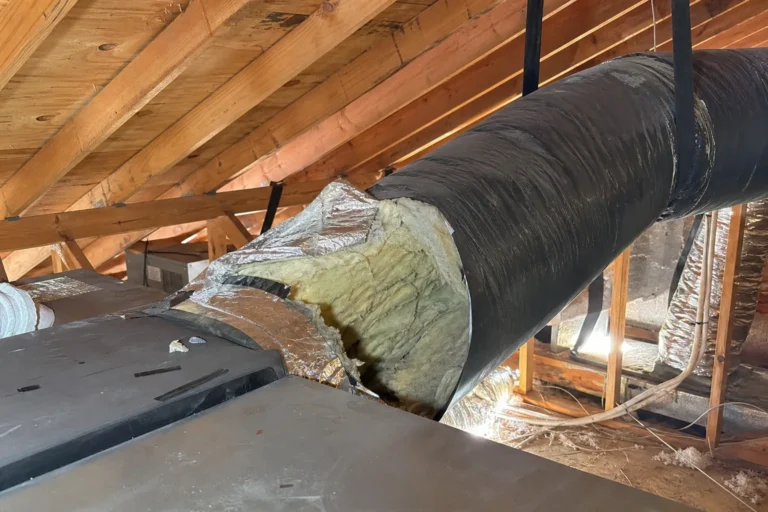
Do you want the thermostat moved to a better spot. Ask us. Sometimes relocation solves comfort problems that people blame on the equipment. If airflow is part of the issue, ductwork inspection can help confirm what the system is delivering.
After installation, a few simple habits help your thermostat perform better day to day. Once the thermostat is installed, the main goal is consistent comfort with less fiddling.
If the schedule is too complicated, it gets ignored. We suggest a simple pattern that matches your real routine.
Large setpoint jumps can cause longer run times and may trigger backup heat on heat pumps. Small adjustments are usually more comfortable.
Some thermostats still use batteries even with a common wire. If the display gets dim or the system acts odd, batteries may be the reason.
A thermostat cannot fix airflow problems. If airflow is restricted, comfort will still feel uneven. Routine care through HVAC maintenance can help keep the whole system consistent.
If any of these show up, call us. Small fixes early beat bigger frustrations later. If comfort drops during peak season, HVAC repair support may be needed beyond the thermostat.
Pasadena conditions make thermostat placement and setup more important than many people think. Pasadena weather can swing from warm afternoons to cooler nights. That can expose weak thermostat placement or poor setup fast across CA and California homes.
If you have a room that is always uncomfortable, tell us which one and when. That detail helps us set cycles, fan options, and schedules in a way that fits your home. When duct issues are involved, duct sealing or air duct repair can support better room to room comfort.
Homeowners choose Pioneers Heating & Air for clear communication, careful testing, and tidy results. You should not have to guess what was done or how to use what was installed. We focus on doing the basics right, then proving it works.
If you have a preferred temperature range and a daily routine, we can set up your thermostat so the house feels right without constant changes. Would you rather set it and forget it, or do you like tweaking settings. Either approach can work if the installation is done correctly, and ongoing reliability is supported by seasonal tune ups.
Thermostat Installation in Pasadena starts with a call and ends with a system you can control with confidence. Thermostat Installation in Pasadena should leave you with steady comfort and controls that feel simple. Pioneers Heating & Air is ready to help with Thermostat Installation, replacement, and setup for smart and programmable thermostats across Pasadena, California.
Call (626) 217-0559 or use our Contact Us page to schedule.
Hot upstairs rooms can point to attic heat, air leaks, duct losses, or airflow trouble instead of an AC problem...
Uneven room temperatures, weak airflow, dust near vents, and long AC cycles can point to leaky attic ducts. Check the...
AC cleaning removes buildup from key cooling parts. Learn the signs that point to cleaning, routine maintenance, or a repair...