
When upstairs rooms are hot with AC, the air conditioner may be part of the problem, but it isn’t the only place to look. Heat moving through the attic, gaps around the ceiling, leaky ducts, and poor airflow can leave bedrooms warm long after the thermostat says the house is cool. Check the room, attic, ducts, and system together before choosing a fix.
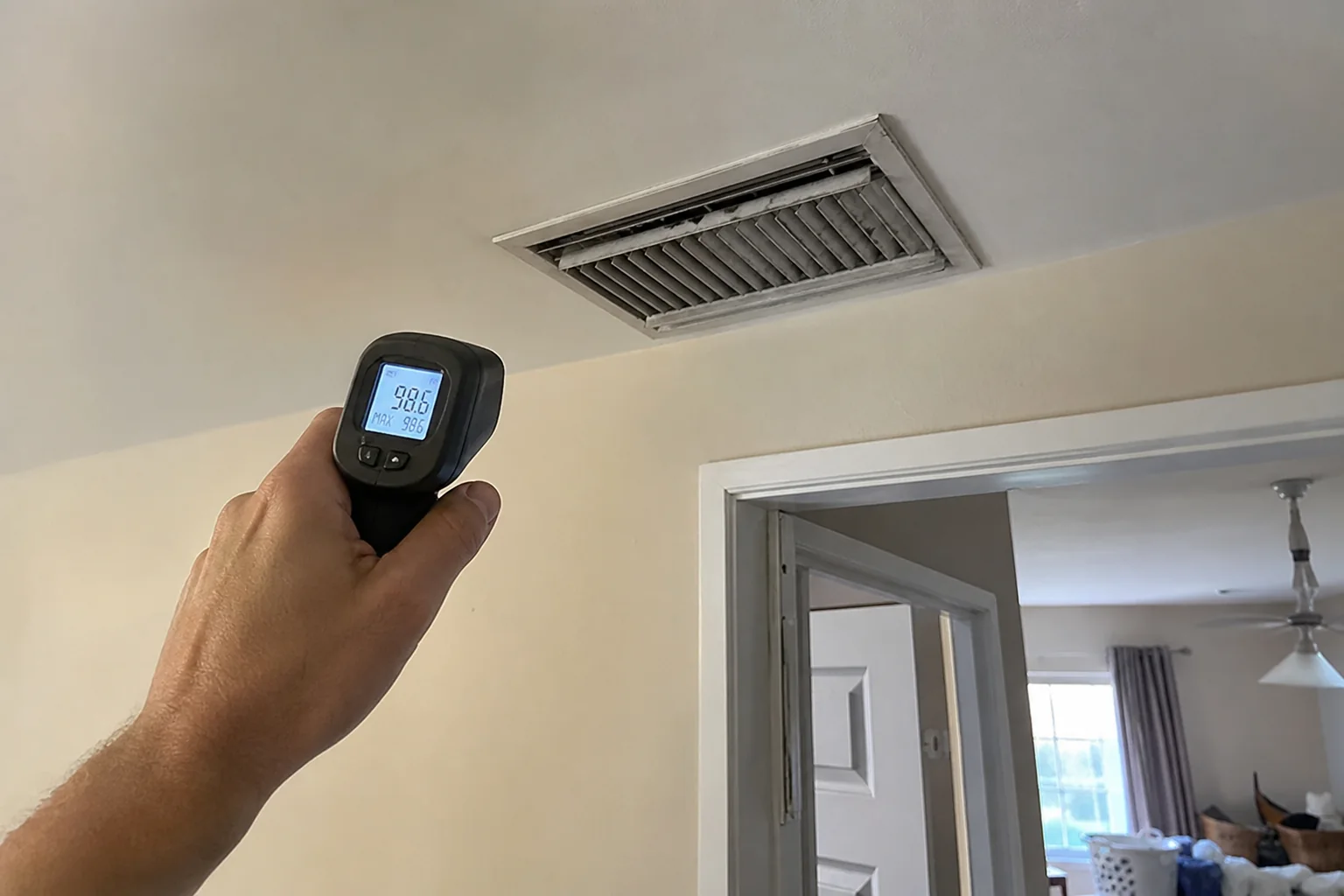
Why upstairs rooms hot with AC may start above the ceiling
Upper rooms sit close to the roof and attic. On a sunny Pasadena-area day, the attic can collect heat that presses down on the ceiling below. A room with little insulation between the attic and ceiling has less protection from that heat. Air leaks can make the problem worse by letting hot attic air move into the living space.
ENERGY STAR says low attic insulation and air leaks can make heating and cooling equipment work harder and can cause summer and winter discomfort. It also says that if attic insulation sits at or below the attic floor joists, more insulation is probably needed.
That visual check is a starting point, not a full diagnosis. Insulation can look deep in one area and be thin, shifted, or missing in another. A dark, packed-down, or uneven layer may not protect the ceiling evenly. Areas near access hatches, recessed lights, plumbing openings, and wiring openings deserve attention because they may allow air to pass between the house and attic.
Air sealing comes before adding more material
Insulation slows heat flow. Air sealing closes openings that allow hot air into the house or conditioned air into the attic. They do different jobs. Adding insulation without first finding large gaps can leave the same path for air to move.
Don’t step between attic joists or disturb wiring, ducts, or insulation if you aren’t sure where it is safe to walk. An attic inspection should also look for moisture, structural, or pest concerns before work begins. The Building America Solution Center lists those checks before attic air sealing and insulation work.
Check whether the room is getting enough cool air
Attic heat can explain part of a warm upstairs room, yet the room still needs enough cooled air from the system. A weak supply of air, a damaged duct, or air leaking from a duct in the attic can keep a bedroom behind the rest of the home.
ENERGY STAR’s duct sealing guidance says typical homes lose about 20% to 30% of duct air through leaks, holes, or poor connections. It flags hard-to-cool rooms and ducts in attics as signs worth checking.
Start with simple observations while the AC is running. Don’t remove panels or reach into equipment. Write down what changes from room to room. Those notes can help separate a whole-house cooling problem from a problem along one upstairs duct run.
| What you notice | What it may point to | What to check next |
|---|---|---|
| Only one bedroom stays warm | A room-specific duct, register, window, or insulation issue | Check that the register is open and clear, then compare its airflow with a nearby room |
| Several upstairs rooms are warm | Attic heat, uneven airflow, or a system issue affecting the upper floor | Note indoor temperatures and ask for an attic, duct, and HVAC review |
| Air barely comes from a supply register | A duct may be disconnected, crushed, leaking, or restricted | Have the duct path inspected instead of forcing the register open or closed |
| Cool air starts strong but fades at the room | Heat may be entering through the ceiling, windows, or duct route | Check attic coverage and watch for direct afternoon sun on the room |
| The room feels stuffy when the door is shut | Return-air movement may be limited | Keep the return grille clear and mention the closed-door pattern during service |
Look at attic ventilation without treating it as a stand-alone fix
Attic ventilation is meant to move attic air through planned intake and exhaust paths. Blocked openings, damaged vents, or insulation covering a path can interfere with that movement. A review should look at the full path rather than judging a single vent from the ground.
Ventilation does not replace insulation or air sealing. It also doesn’t repair a leaking duct or make up for an AC system that needs service. Think of it as part of a heat-control plan. The best next step depends on what an inspection finds in the attic and in the rooms below it.
Keep soffit areas, attic vents, and access points visible for an inspector when possible. If you see water stains, wet insulation, animal activity, or damaged roof framing, mention it before attic work is planned. Those conditions can affect the order of repairs.
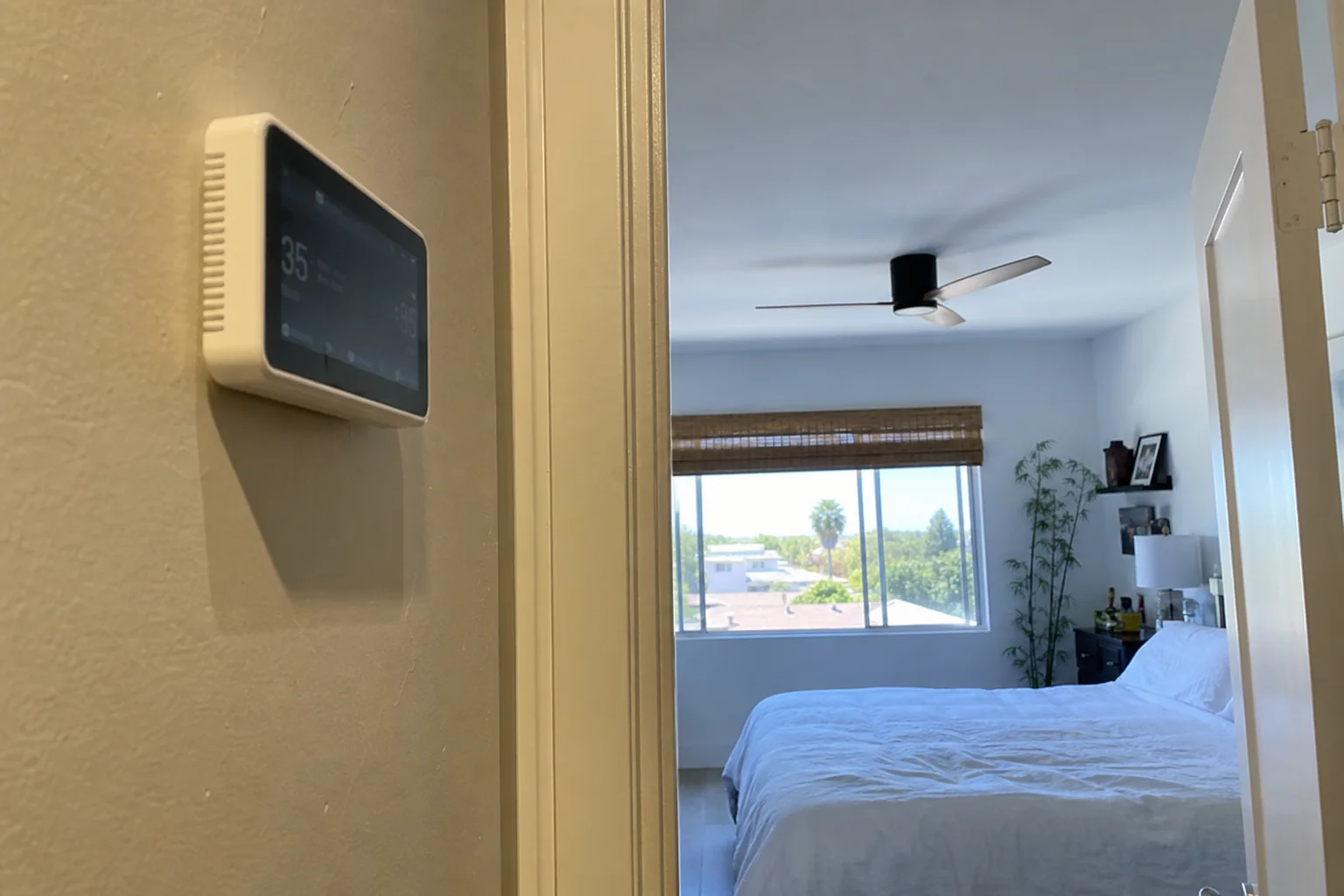
Rule out room-level heat before changing the HVAC system
Some warm bedrooms take in more sun than others. Large west-facing windows, open blinds, hot electronics, and a closed door can raise the room temperature or change how it feels. These checks won’t fix a duct leak or thin insulation, yet they can show how much heat the room gains each afternoon.
- Close blinds or shades on windows that get strong direct sun and compare the room over a few similar days.
- Move furniture, curtains, and storage away from supply registers and return grilles.
- Check whether the register is fully open. Don’t tape over it or block it with a rug.
- Set the thermostat to a normal cooling setting and leave it there while comparing rooms.
- Note the time the room turns warm, whether the door is open, and whether other upstairs rooms change too.
A thermostat often sits in a central part of the home. It may reach its set temperature before a sunny bedroom near the attic does. That difference doesn’t prove the thermostat or the AC is faulty. It does show why room-by-room observations matter.
Use a practical inspection order
Replacing an air conditioner before checking the attic or ducts can miss the source of the comfort problem. Start with the checks that can explain why cool air isn’t reaching or staying in the room.
- Confirm the pattern. Identify which rooms are warm, what time they warm up, and whether the issue happens only during sunny weather.
- Check the accessible room items. Open and clear registers. Keep return grilles clear. Look for strong sun through windows and changes when doors are shut.
- Inspect the attic safely. Have coverage, air leaks, duct condition, and ventilation paths reviewed. Avoid walking or moving insulation on your own if conditions are unclear.
- Test the HVAC side. A technician can check cooling operation, airflow, and accessible duct connections before suggesting equipment work.
- Choose a combined fix if needed. The answer may include sealing ducts, balancing airflow, air sealing, insulation work, ventilation repairs, or HVAC repair. The findings should decide the scope.
For a next step focused on the space above the room, Pioneers Heating & Air offers attic insulation replacement and can check insulation coverage, air leaks, duct conditions, and ventilation paths during a visit.
Questions homeowners ask about hot upstairs rooms
Can I add new insulation over old insulation?
Sometimes existing insulation can stay, but its condition matters. Wet, contaminated, pest-damaged, or badly compressed material needs a closer review first. An inspector should also look for leaks and attic openings before new insulation covers those areas.
Will closing downstairs registers push more cool air upstairs?
Don’t count on it. Closing registers can change airflow in ways that don’t solve the upstairs room and may create noise or comfort problems elsewhere. Ask for airflow balancing if the system needs help sharing cooled air between floors.
Should I replace the AC if the upstairs stays warm?
Not based on room temperature alone. The AC may need repair or service, yet attic conditions, duct losses, and room heat gain can create the same symptom. Get findings from the equipment, ductwork, and attic before deciding on replacement.
If your upstairs rooms stay hot with AC, call Pioneers Heating & Air at (626) 217-0559 to schedule attic insulation replacement service and an assessment of the insulation, ducts, ventilation paths, and cooling concerns affecting your home.