
If you’re weighing AC repair or replacement before summer, don’t decide by age alone. A single fix on a maintained system may be sensible. Start pricing replacement when breakdowns repeat, rooms cool unevenly, bills climb, the unit uses R-22, or a major part has failed. An inspection should compare the equipment and the airflow around it.
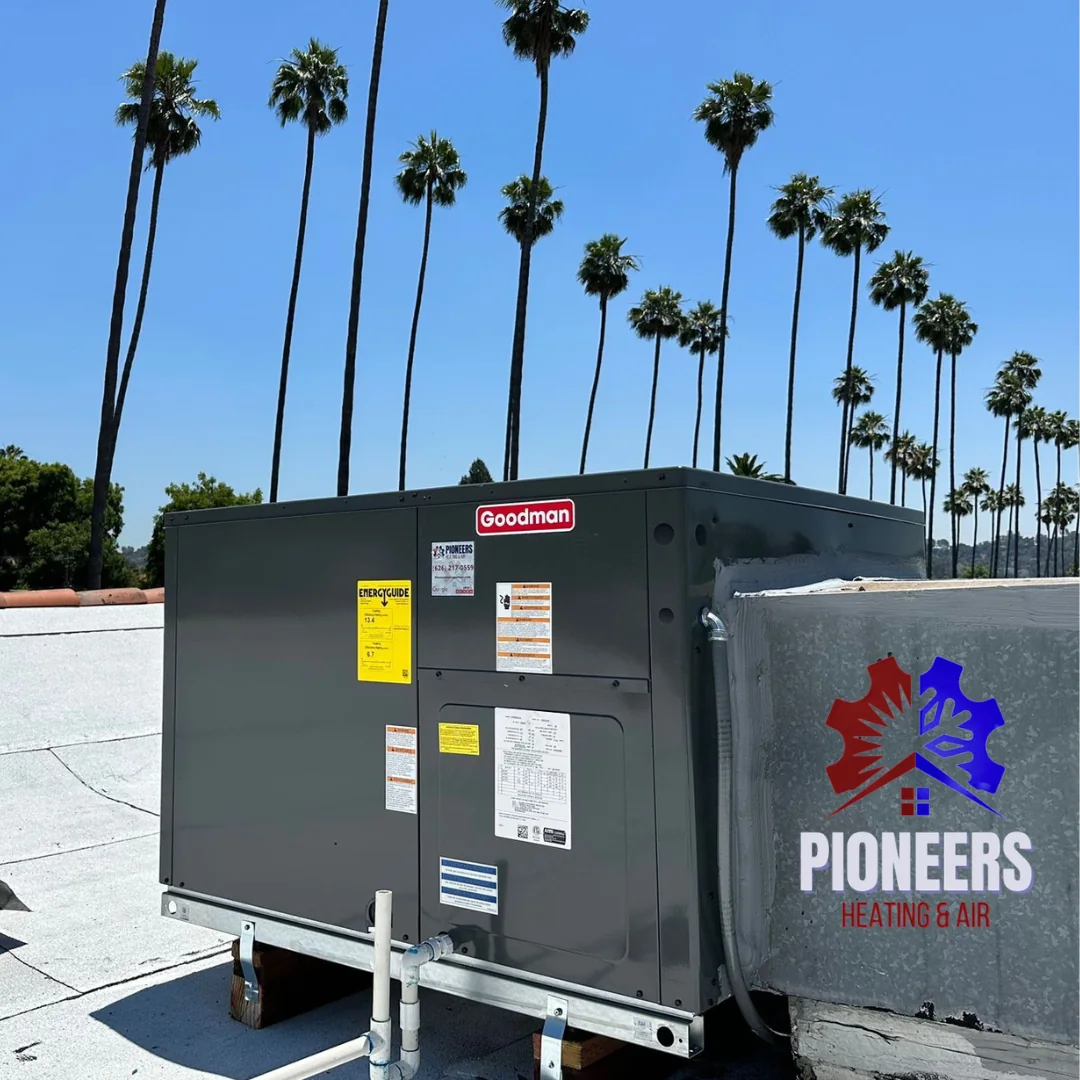
Start with the AC’s history, not its birthday
Age is a useful screen, but it can’t tell you the condition of your specific system. The U.S. Department of Energy lists 15 to 20 years as the life span for a central air conditioner. Use that range as a prompt to look closer. A unit near or past that range may still have a repairable problem. A newer unit can still struggle if it was poorly installed or has an ongoing airflow issue.
Before you approve work, gather what you know. It gives the technician a clearer starting point and helps you compare choices based on facts.
- Find the installation date or the serial number label if the date is unknown.
- Pull recent repair invoices and note whether the same problem has returned.
- Write down which rooms feel warmer and when the trouble happens.
- Check several months of electric bills for a steady change, not a single high bill.
- Locate warranty papers and see if parts coverage may still apply.
- Clear stored items away from the indoor and outdoor equipment before the visit.
A repair history matters more than a vague memory that the system has been troublesome. It can show whether the current issue is a new, isolated fault or part of a pattern.
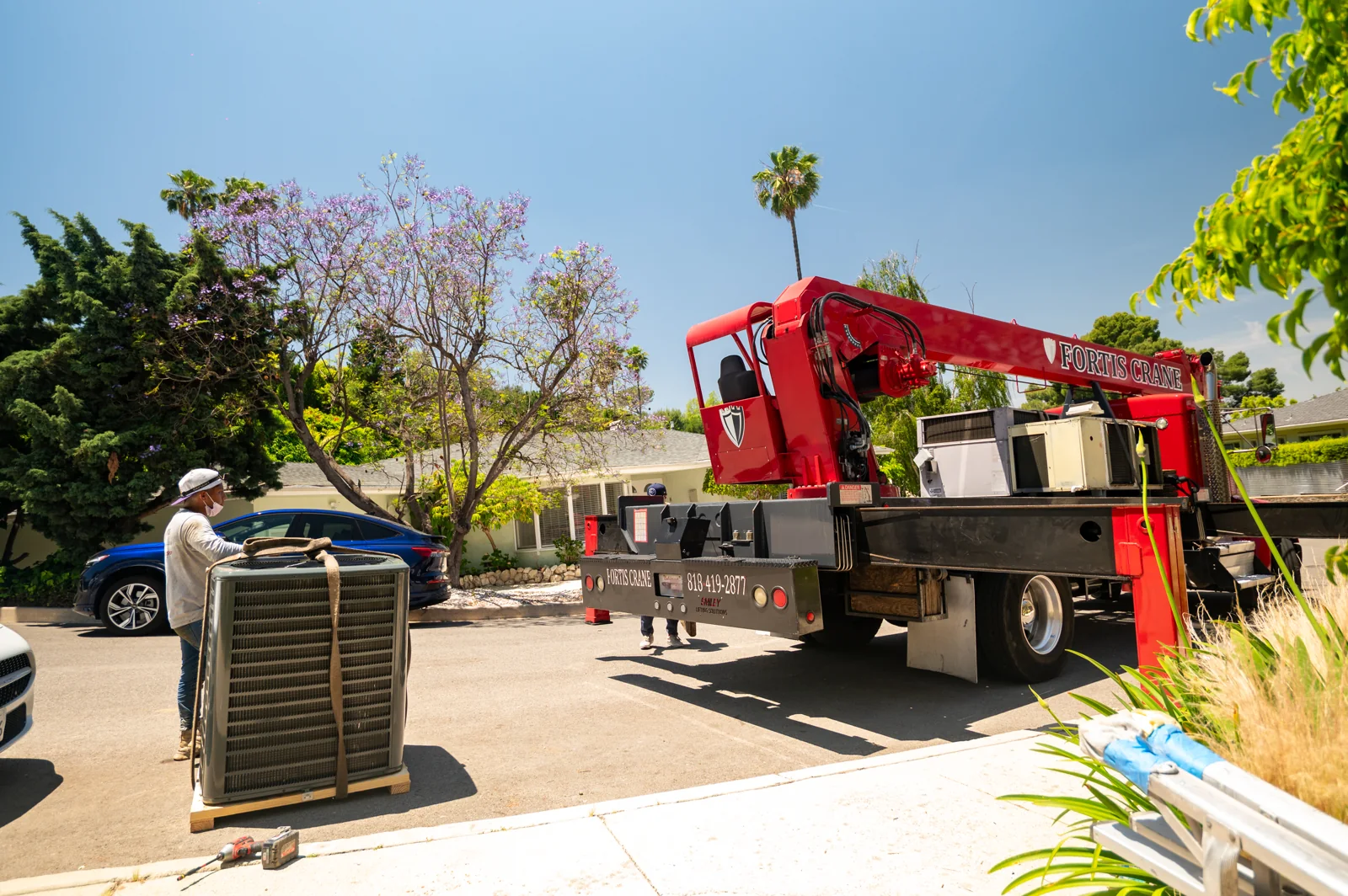
When an AC repair may still make sense
Repair is often the practical choice when a technician finds one clear problem and the rest of the system is in sound shape. That can be the case when the unit has had regular care, has cooled the home evenly, and hasn’t needed repeated service. The repair estimate should explain the failed part, the work needed, and whether another related concern was found.
Look for a contained problem
A contained problem has a defined cause and does not point to several worn-out areas. Ask whether the repair restores normal operation or only keeps the unit going for a short time. The answer may depend on the equipment condition, the part involved, and any warranty coverage.
Rule out simple upkeep first
Some cooling trouble starts with restricted airflow. A dirty filter can make the system work harder and leave rooms less comfortable. The Department of Energy says cleaning or replacing a filter can lower AC energy use by 5 to 15 percent. Check the filter size and replacement instructions for your system. More than basic filter care should be handled by a trained HVAC professional.
Don’t use a low repair estimate as the only reason to proceed. Ask what the inspection found about the outdoor unit, indoor equipment, drainage, electrical connections, refrigerant lines, and airflow. A modest repair can be a good decision when those checks don’t reveal larger concerns.
Signs you should compare a replacement quote now
Replacement deserves a serious look when repairs keep coming, comfort has changed, or a major component is involved. ENERGY STAR says equipment over 10 years old is a reason to consider replacement. It isn’t a rule that every system over 10 years old must be replaced.
Request a replacement quote alongside the repair estimate if any of these conditions fit your home.
- The AC has broken down several times and the repair bills are adding up.
- The same issue returns after prior service.
- Some rooms stay too warm while others get much colder.
- Your electric bills have risen without a clear change in household use.
- The repair involves a major component or several worn parts.
- The equipment uses R-22 refrigerant and has a leak or needs refrigerant work.
- You want to address old ducts, poor airflow, drainage, or electrical needs during a larger project.
Uneven room temperatures don’t always point to a failed air conditioner. They may involve ducts, vents, insulation, a thermostat location, or the size of the equipment. That is why replacing only the outdoor box without checking the rest of the cooling setup can leave the original comfort problem in place.
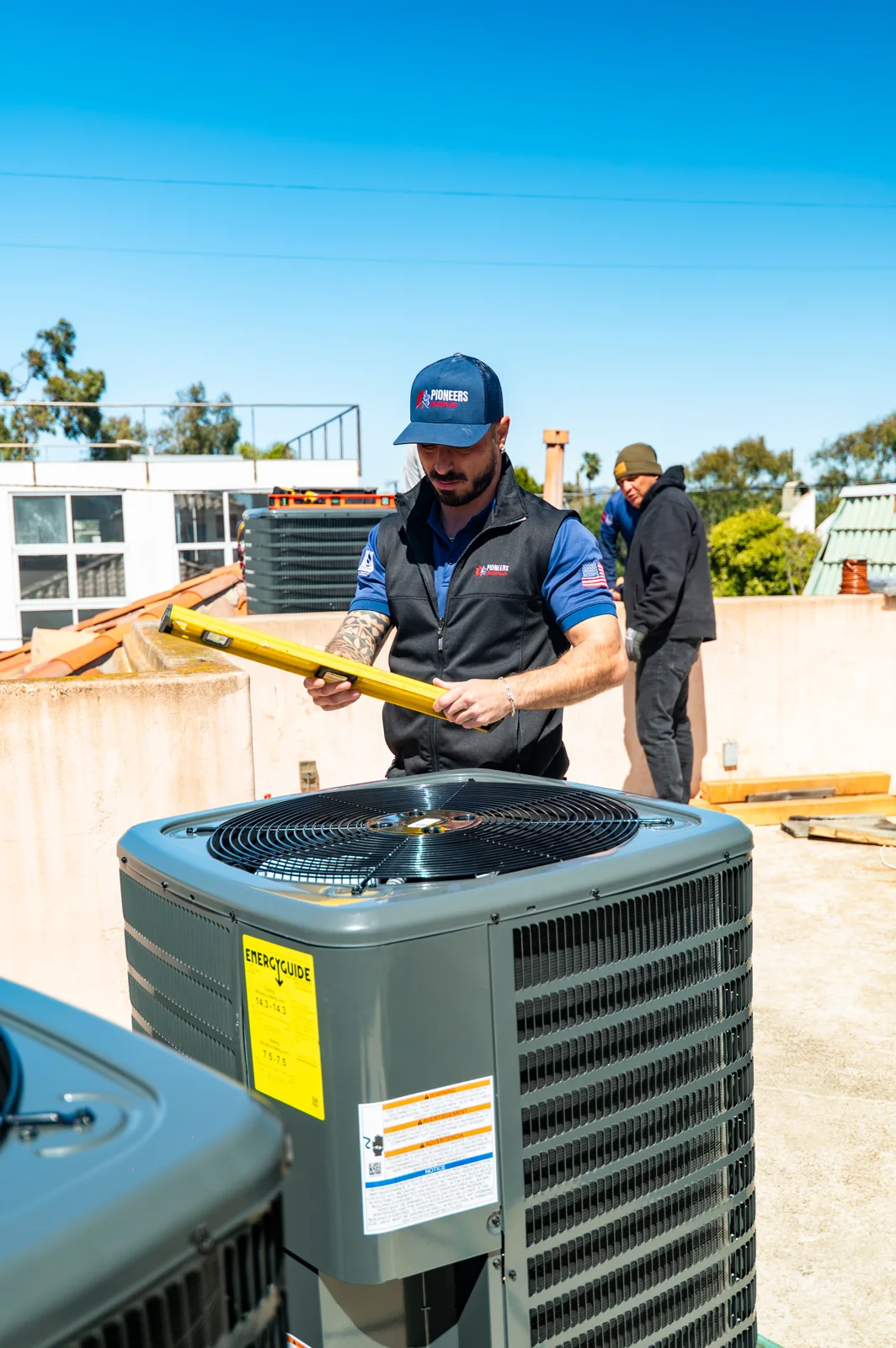
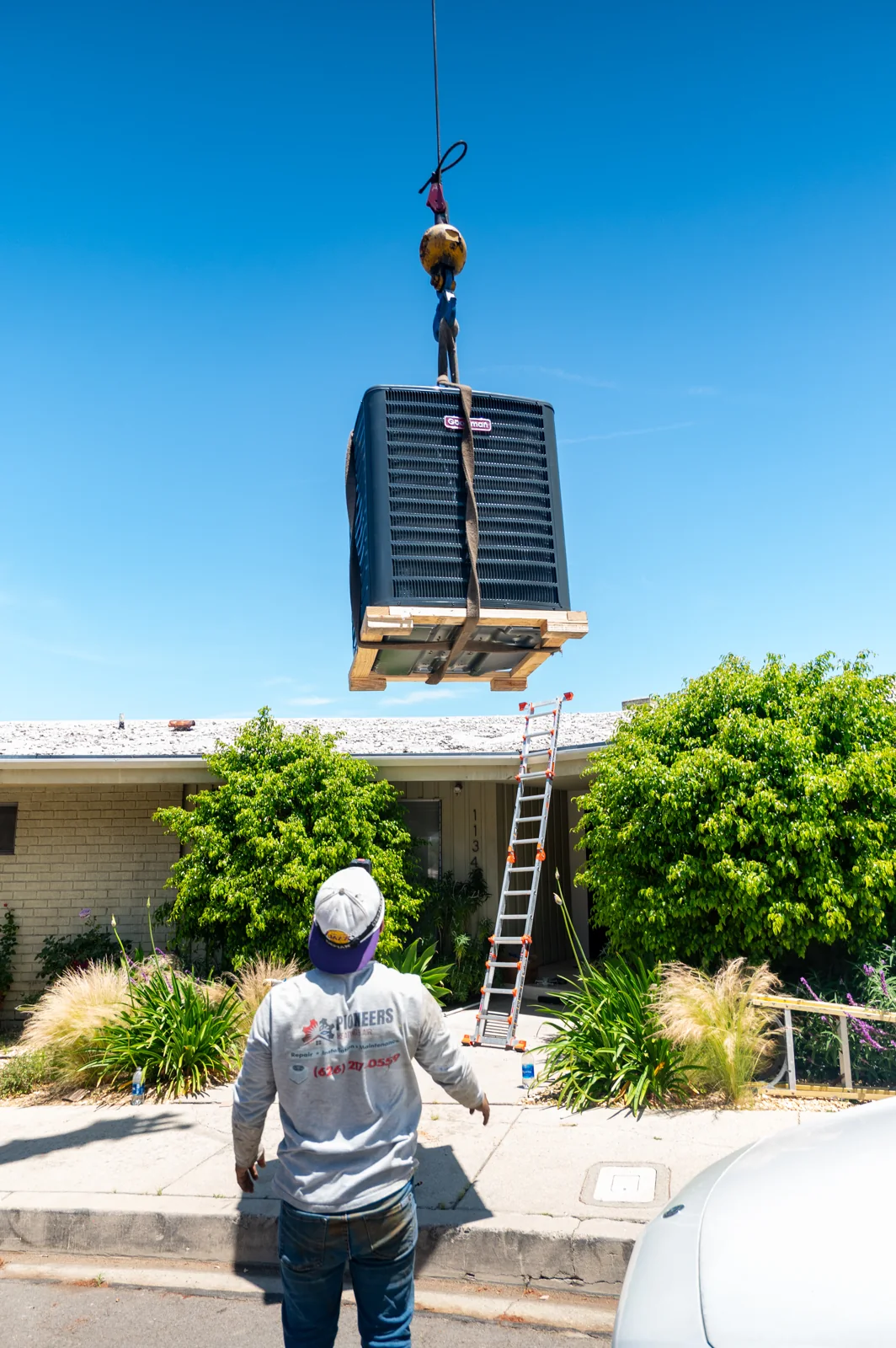
Check the whole cooling setup before choosing AC repair or replacement
A Pasadena home can have attic equipment, tight equipment closets, older construction, and duct runs that make access and airflow important. Ask for a whole-system review rather than a decision based only on the outdoor unit.
Airflow and ducts
Ask whether supply and return airflow are balanced and whether ducts show damage, loose connections, or heavy buildup. A new system needs a path to move cooled air through the home. If a room has always run hot, say so before equipment is chosen.
Equipment size and layout
Bigger isn’t automatically better. Equipment must fit the home and the way air moves through it. Tell the technician about additions, converted rooms, major window changes, or spaces that are rarely used. Those details can affect the equipment discussion.
Electrical, drainage, and refrigerant lines
These parts can affect the scope of a replacement. Pioneers Heating & Air’s AC Replacement process includes checking equipment size and style, refrigerant-line condition, electrical needs, drainage, and airflow. Getting those items reviewed before peak heat can prevent a decision based on an incomplete quote.
Understand what R-22 changes and what it doesn’t
R-22 is an older refrigerant found in some air conditioners. It changes the repair conversation because supply is limited. The U.S. Environmental Protection Agency says existing R-22 systems may still be serviced with recycled, reclaimed, or previously produced refrigerant. The EPA does not require a homeowner to replace or convert an existing R-22 unit only because of the phaseout.
Still, a system with an R-22 leak may be worth comparing against replacement, especially if it is older or needs other repairs. Ask the technician to identify the refrigerant, explain the condition of the system, and separate leak repair from any refrigerant charge on the estimate. Don’t approve a replacement based on the refrigerant label alone.

Compare estimates in a way that helps you decide
Put the repair estimate and replacement quote next to each other. The cheapest number today may not answer which path best fits the system condition. A clear comparison should help you see what each choice solves and what it leaves for later.
| Question to ask | Why it matters |
|---|---|
| What caused the current failure? | It shows whether the work addresses a single fault or a wider problem. |
| What work is included in the repair? | You can tell which parts, testing, or follow-up items are part of the price. |
| What other worn parts were found? | It helps you judge the chance of another near-term repair. |
| Will the quote include airflow, drainage, electrical, and refrigerant-line checks? | Those items can shape comfort and installation scope. |
| What warranty applies to the parts or new equipment? | Coverage can change the cost you carry after the work is done. |
| What comfort issue should this option fix? | It keeps the decision tied to the rooms and symptoms that prompted the call. |
Read the scope before comparing totals. A replacement proposal should state the equipment being considered and the work planned around it. A repair estimate should state what is being repaired. If either document is unclear, ask for an explanation in plain language before you choose.
Plan before the hottest stretch arrives
Waiting until the AC stops can limit your time to compare options. If the unit is running but showing warning signs, schedule an inspection while you can still review the findings without making a rushed choice. Keep the thermostat at a normal setting, replace the filter if it is due, and avoid blocking vents or the outdoor unit with stored items or plants.
During the visit, describe the symptoms in order. Mention noises, short cycling, water near indoor equipment, weak airflow, warm rooms, and changes in utility bills. A clear timeline helps separate a current failure from a comfort issue that has been present for years.
Frequently asked questions
Can I wait until my AC stops before deciding?
You can, but you lose the chance to compare repair and replacement while the system is still operating. If it is making new noises, cooling unevenly, or needing repeated service, an inspection before a full failure gives you more information to use in the decision.
Should I replace the filter before an AC inspection?
If the filter is due for replacement and you know the correct size, changing it can restore basic airflow. Keep the old filter or take a photo if it is heavily soiled. That may help show what the system has been working against. Don’t attempt repairs inside the equipment yourself.
What paperwork should I keep after an AC repair?
Keep the invoice, part information, warranty details, and notes on what was found. Record the date and the symptom that led to the service call. This record makes future repair decisions easier and can show whether a problem has returned.
For a clear look at your older system, contact Pioneers Heating & Air for AC Repair at (626) 217-0559. Ask for an inspection and written options so you can decide whether repair or replacement fits your home.