
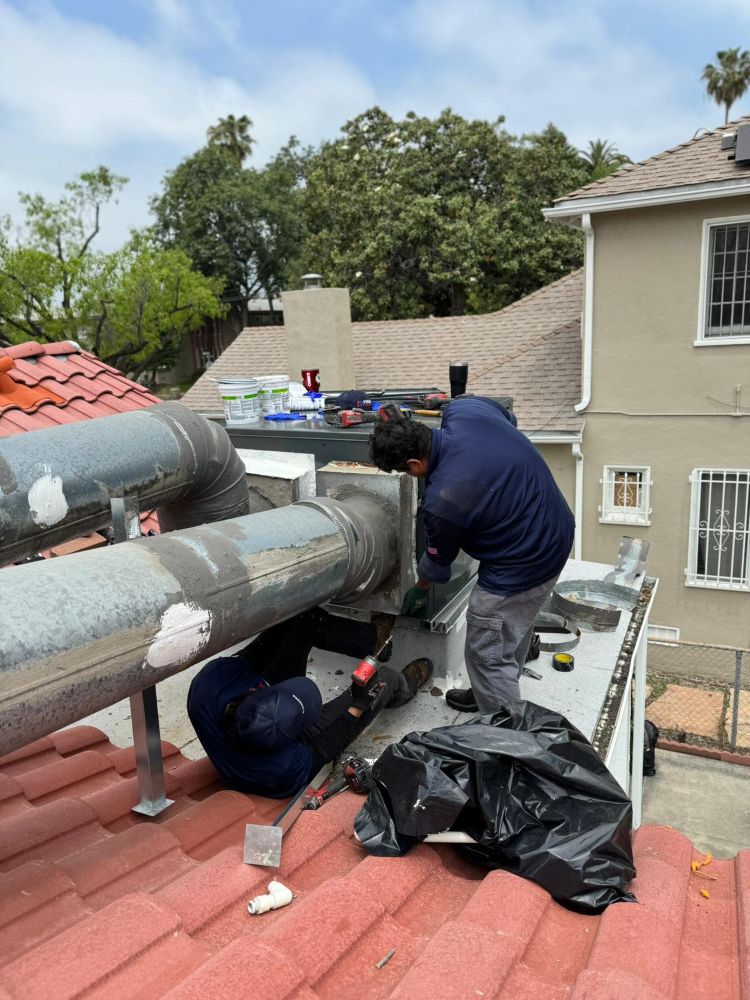
HVAC maintenance is really about avoiding bad surprises when your system is under the most stress. On the hottest summer day or the coldest winter night, small hidden problems can turn into no-cool or no-heat calls fast. Regular service helps find worn parts, airflow trouble, drain clogs, and weak electrical links early, so your comfort stays steady and your system has a better shot at a longer life.
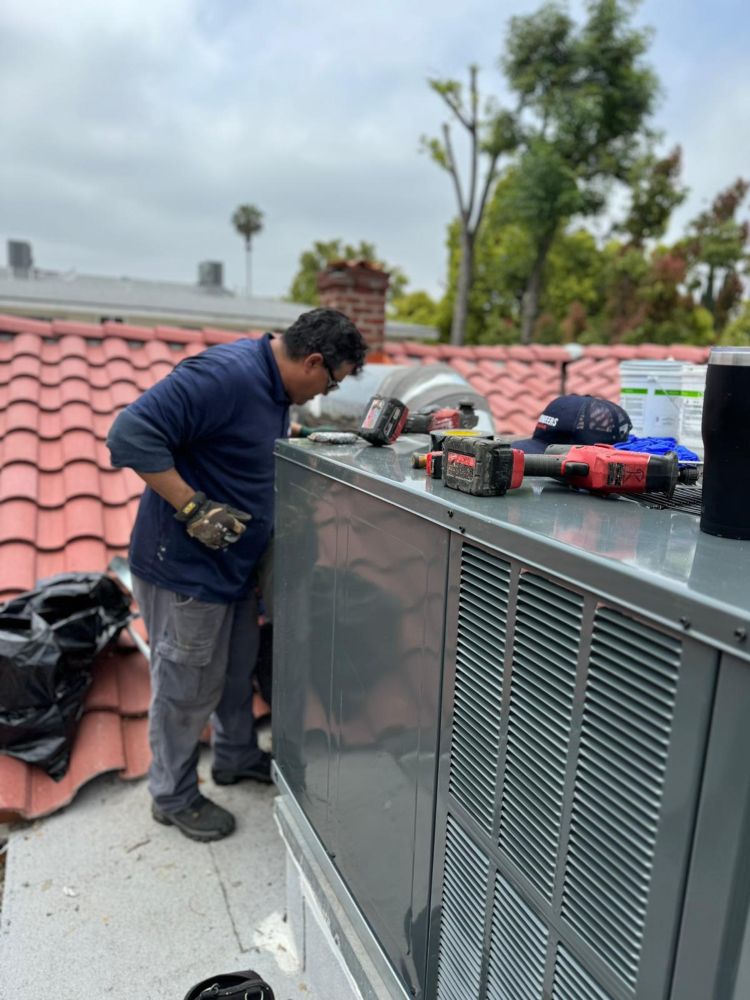
Why problems show up at the worst time
Your HVAC system is a lot like a car. It can make a strange noise for weeks, then pick the worst possible day to quit. That is not bad luck. It is wear finally catching up.
When Pasadena heats up, your air conditioner runs longer and harder. That extra run time puts pressure on capacitors, motors, coils, and the condensate drain. In cooler weather, a heating system has its own stress points. Ignition parts, flame sensors, filters, and airflow all matter.
Small issues hide well when the weather is mild. A weak capacitor may still start the AC in spring. A dirty flame sensor may still let the furnace run now and then. Then a heat wave rolls through near South Lake Avenue, or a chilly night settles in by Bungalow Heaven, and that same part says, “Nope, I am done.”
That is the real point of HVAC maintenance. It is not just a box to check. It is a way to catch little trouble before it turns your living room into a sauna or a meat locker. If you need help, Contact Us.
What maintenance is really looking for
A good visit is not magic. It is careful inspection, testing, cleaning, and adjustment. Each task looks for a small fault that could grow into a breakdown.
Here are common things maintenance can catch early:
- Dirty air filters that choke airflow
- Weak capacitors that may fail to start motors
- Loose electrical connections that can cause short cycling
- Dirty evaporator or condenser coils that make the system work harder
- Low refrigerant from a small leak
- Blocked condensate drains that can lead to water trouble
- Worn contactors that may not send power well
- Blower issues that reduce comfort in some rooms
- Furnace ignition or sensor trouble that can stop heating
- Thermostat issues that make the system act confused
Think of it like spotting a tiny roof leak before the next big rain. A drop seems small, until your ceiling joins the chat. You can also Contact Us if your system is already showing warning signs.
Comfort stability matters more than most people think
Most people call for help when the system stops. That makes sense. No cool air, no heat, phone comes out.
But comfort problems often start long before a shutdown. Maintenance helps with the stuff that slowly annoys you:
- Hot and cold spots from weak airflow
- Longer run times that wear parts faster
- Higher indoor humidity in summer
- Dust buildup from poor filter care
- Short cycling that makes rooms feel uneven
- Strange smells from dirt, moisture, or old parts
A system in decent shape keeps temperatures steadier. It does not have to fight so hard to do its job. Your home feels more predictable, and that matters. Nobody wants to play thermostat ping-pong all week.
Small fixes can help system life
HVAC systems wear out. That is normal. Still, poor maintenance can speed up that wear.
When airflow is blocked, the blower works harder. When coils are dirty, heat transfer drops, and the system runs longer. When electrical parts get weak, motors struggle on startup. Those extra strains stack up over time.
A simple example is a clogged filter. It looks harmless. It is not dramatic. It will not win any awards for excitement. Yet that one dirty filter can stress the blower, hurt airflow, and make heating and cooling less steady.
Maintenance gives your system a better chance to age well. Not forever, of course. Nothing lasts forever, not even your favorite grill. Still, routine service can help you get more useful years before major trouble hits. To get help from Pioneers Heating & Air, Contact Us.
What we usually see in Pasadena, CA
In Pasadena, older homes often have airflow issues, aging ductwork, or thermostats that are not reading the room very well. Near older neighborhoods and tree-lined streets, we also see outdoor units with dirt, leaves, and yard debris packed around them. In homes near busier roads like Colorado Boulevard, filters can load up faster from dust and traffic grime. During hot spells, AC systems often show weak capacitors and dirty coils. During cooler nights, furnaces may act up from dirty sensors or neglected filters.
Weather puts your system to the test
Pasadena weather is not the same all year, and your HVAC system feels every swing. You can read more about local climate patterns at Wikipedia.
Heat
Summer heat pushes AC systems hard. Long cycles can expose weak motors, failing capacitors, refrigerant issues, and dirty condenser coils. If the outdoor unit cannot shed heat well, cooling drops.
Cold
Cold nights may be shorter here than in some places, but they still matter. A furnace that sat idle for months may show ignition trouble, sensor buildup, or airflow problems the first time it gets called into action.
Rain
Rain can expose drainage problems. Condensate lines need to move water out the right way. If the line is clogged, moisture can back up. That is not good for comfort or for nearby materials.
Humidity
Even when temperatures are not brutal, humidity can make a home feel sticky. An AC system helps remove moisture, but dirty coils, weak airflow, or low refrigerant can hurt that job.
A short story that sounds familiar
A homeowner notices the upstairs feels warmer than the rest of the house. The AC still runs, so life goes on. Weeks later, the system starts making a buzzing sound. Then comes the first really hot day. The house never cools down, and now it is a no-cool call.
What happened? Often it is not one giant failure. It is a chain. Maybe the filter was dirty, airflow dropped, the capacitor weakened, and the outdoor coil was packed with grime. The big breakdown was really a pile of small warnings wearing a trench coat.
Signs your system may be asking for help
You do not need to be an HVAC pro to spot trouble early. Watch for clues.
- Your system runs longer than it used to
- Some rooms never feel right
- Airflow seems weak at vents
- Energy bills jump without a clear reason
- You hear buzzing, rattling, or clicking
- The thermostat setting and room feel do not match
- The AC blows air that is not cool enough
- The heater turns on and off too often
- You smell musty or burning odors
Safety note, if you smell gas or suspect a gas leak, leave the area and contact the gas utility right away. Do not try to inspect it yourself. For gas safety information, see CPSC guidance.
If this happens, try this next
Use these simple steps before calling. They can save time and may solve small issues.
- If the system will not turn on, then check the thermostat setting, batteries, and circuit breaker
- If cooling feels weak, then check the air filter and make sure vents are open
- If the outdoor unit is buried in leaves or debris, then clear space around it
- If water is pooling near the indoor unit, then turn the system off and check for a blocked drain line
- If the furnace starts then shuts off fast, then check for a dirty filter
- If one room is always off, then make sure the vent is open and not blocked by furniture
- If you hear sharp banging or smell burning, then shut the system off and get it checked
These steps are basic and safe. Leave electrical repairs, refrigerant work, and gas heat repairs to trained pros. If you want service, Contact Us.
A few common claims, and the truth behind them
Myth, maintenance is only for old systems.
Fact, newer systems need service too. New does not mean trouble-proof.
Myth, if it heats and cools, it is fine.
Fact, many systems still run while hidden wear gets worse.
Myth, changing the filter is the same as full maintenance.
Fact, filter care helps a lot, but it is only one piece of the puzzle.
Myth, breakdowns just happen out of nowhere.
Fact, many major failures start as small issues that were easy to miss.
A simple care plan that works
You do not need a fancy routine. Just keep it steady.
Weekly
- Listen for new noises
- Check that vents are not blocked by rugs, boxes, or furniture
- Glance at the thermostat and indoor comfort
Monthly
- Check the air filter, replace it if dirty
- Look around the outdoor unit and clear leaves, weeds, and debris
- Watch for water near the indoor unit
- Notice any rooms that feel off
Yearly
- Schedule cooling maintenance before hot weather
- Schedule heating maintenance before cold weather
- Have electrical parts, airflow, drain lines, coils, and safety controls checked
- Ask about any comfort issues you noticed during the year
This kind of schedule is simple, and it pays off in fewer surprises.
Why timing matters
Maintenance works best before peak season. Waiting until the first scorcher or the first cold snap is like checking your spare tire after the flat. Better late than never, sure, but earlier is better.
Spring is a smart time to get the AC checked. Fall is a smart time for the heater. That timing gives room to spot worn parts before heavy use starts.
If you live in a home with older ductwork, a packed attic, or lots of sun exposure, regular checks matter even more. Pasadena homes vary a lot, and the system in a shaded craftsman may have different stress than one in a sunnier two-story house.
Maintenance also helps your wallet, just not in a magic-wand way
No one likes surprise repairs. No one likes a system that runs forever to hit the thermostat setting either.
Maintenance can help reduce waste by keeping airflow, coils, and controls in better shape. A cleaner, healthier system usually does not need to work as hard. That can help with energy use and can lower the odds of a major repair showing up out of the blue.
It is not wizardry. It is just less strain, fewer hidden issues, and a better-running system.
FAQs
How often should HVAC maintenance be done?
Most homes do well with service once for cooling and once for heating each year. If your system runs a lot, your home is older, or you have indoor air concerns, you may need closer attention.
Can HVAC maintenance stop every breakdown?
No. Parts can still fail. Maintenance helps catch many small problems early, which can lower the chance of a no-cool or no-heat surprise.
What is checked during HVAC maintenance?
Common checks include filters, coils, blower parts, drain lines, thermostat function, electrical connections, capacitors, safety controls, and airflow.
Does maintenance help air conditioning in hot Pasadena summers?
Yes. Hot weather pushes AC systems hard. Clean coils, good airflow, and healthy electrical parts help the system keep up when temperatures climb.
Does furnace maintenance matter in Southern California?
Yes. Cooler nights still put your heater to work. A furnace that sits for months can develop sensor, ignition, or airflow trouble that only shows up when you need heat.
Can a dirty filter really cause big problems?
Yes. A dirty filter can reduce airflow, stress the blower, hurt comfort, and make the system run longer. It is a small item that can create a lot of trouble.
Is it safe to clean my outdoor unit myself?
You can gently clear leaves and debris around it. Turn power off before any close cleaning. Leave internal cleaning and electrical work to a trained technician.
Why does my house feel humid even when the AC runs?
Your AC should remove some moisture. If humidity stays high, the system may have airflow trouble, dirty coils, refrigerant issues, or size and control problems.
If you want fewer no-cool or no-heat surprises in Pasadena, Pioneers Heating & Air can help keep your system running the way it should. Their heating and cooling services can help catch small issues early, improve comfort, and support longer system life. Call (626) 217-0559 or visit https://pioneersheatingandair.com/ to get help from Pioneers Heating & Air. You can also Contact Us.