

If the heat is running but a room still feels cold, your system is usually waving a little red flag. The first things a repair visit checks are airflow, thermostat control, duct issues, and how well the heater itself is making and moving warm air. Many cold room problems are not magic, and they are not random. They often come from a blocked filter, a closed vent, a duct leak, a bad sensor, or weak system output.
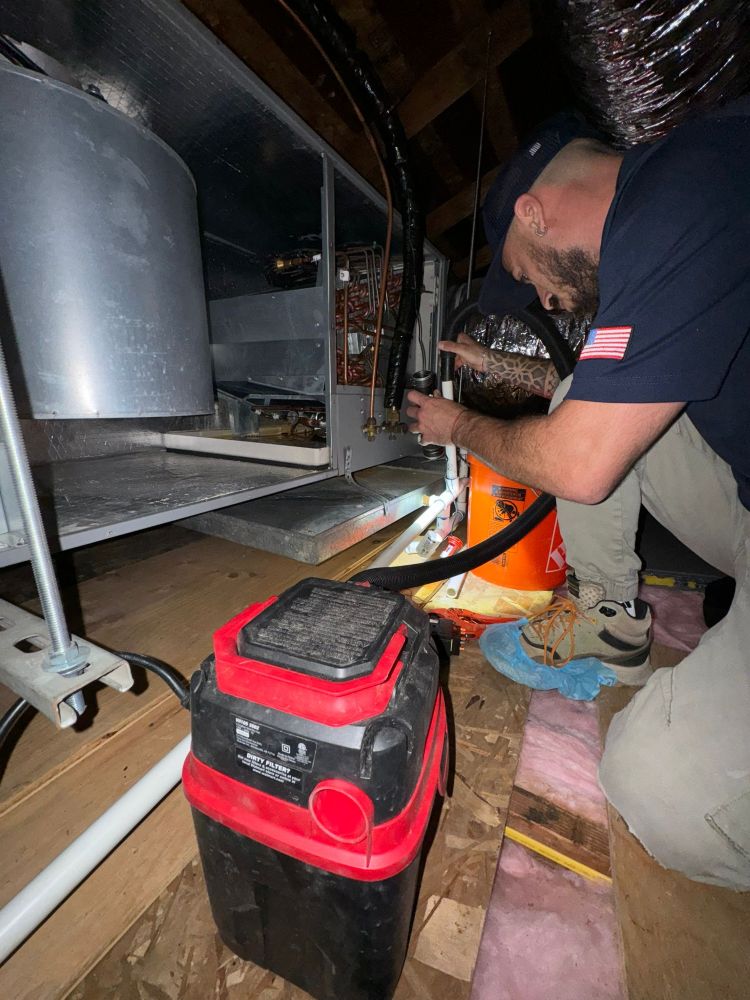
Why a room stays cold when the heat is on
A heating system has a simple job. Make warm air, move it, and send it where you want it. If any part of that chain slips, one room can feel like a fridge while the rest of the house feels fine.
Think of your HVAC system like a delivery truck. If the truck has fuel but the road is blocked, the package does not arrive. Your heater may run all day, but warm air still may not reach the bedroom at the end of the hall.
During a repair visit, the first checks are usually not fancy. They are practical. Is air being made hot enough? Is enough air moving? Is the thermostat asking for heat the right way? Are the ducts holding the air or leaking it into the attic or crawlspace?
That is where most cold room trouble starts.
The first things a repair visit checks
A tech usually begins with the basics. That saves time and often finds the problem fast. If you need help, Contact Us.
1. Air filter condition
A dirty filter can choke airflow. When airflow drops, less warm air reaches your rooms. The system may still run and sound busy, but it is huffing and puffing like it just ran up a hill.
Low airflow can also make the furnace run hotter than it should inside the unit. That may trip a safety switch and cut heat output.
Signs this may be the issue:
- Weak air coming from vents
- Some rooms warm up slowly
- The system turns on and off more than usual
- The filter looks gray, packed, or dusty
2. Supply vents and return vents
Closed or blocked vents are common. A rug over a return vent, a couch in front of a supply register, or a damper shut by accident can throw off airflow.
Many people close vents in unused rooms to push more heat elsewhere. Sounds smart. Often backfires. That can upset pressure in the duct system and make airflow worse.
A repair visit checks:
- Are vents open
- Are registers blocked by furniture
- Is the return air path clear
- Are dampers set right
3. Thermostat settings and sensor problems
Sometimes the problem starts at the wall. A thermostat may read the wrong temperature if it sits near a sunny window, warm lamp, drafty door, or kitchen heat.
If the thermostat thinks the house is warm enough, it may cut the heat too soon. Then the far bedroom stays cold while the hallway feels okay.
A tech may check:
- Heat mode and fan setting
- Program schedule
- Battery condition, if used
- Temperature reading accuracy
- Wiring and communication with the system
If the fan is set to ON instead of AUTO, it can also blow room-temperature air between heating cycles. That makes some people say, “The heat is on, but why does it feel cool?” Fair question.
4. Duct leaks and disconnected ducts
This is a big one. Warm air may never reach the room if the duct has gaps, loose joints, or a full break.
If a duct runs through an attic, garage, or crawlspace, any leak can dump warm air before it gets to the register. You pay to heat the attic, and the bedroom still feels cold. Nobody wants that.
A repair visit may inspect:
- Visible duct sections for gaps or tears
- Loose connections near the air handler
- Crushed flexible duct
- Missing insulation on attic ductwork
- Air balance between rooms
5. Blower motor and airflow performance
The blower motor pushes heated air through the duct system. If it is weak, dirty, or failing, warm air may not travel far enough.
That often shows up in rooms farthest from the unit. The room closest to the furnace may feel okay, while the back room stays cold.
A tech may look at:
- Blower speed
- Dirt on the blower wheel
- Motor amperage
- Capacitor condition, if present
- Airflow drop across the system
6. Furnace or heat pump output
Your system may be running, but not making enough heat. That is a different problem from poor airflow.
With a furnace, a repair visit may check the burners, flame sensor, heat exchanger area, ignition, and safety switches. With a heat pump, the tech may check refrigerant charge, coil condition, defrost operation, and backup heat.
If the equipment output is low, every room can feel cooler, and the farthest rooms feel it first.
7. Zoning or damper control issues
If your home has zones, motorized dampers help send heat to certain areas. When a damper sticks or a zone control board acts up, one part of the house may miss out.
You may hear the system run normally, but one zone gets little or no airflow. It is like having a traffic light stuck on red. If that sounds familiar, Contact Us.
What we usually see in Pasadena, CA
In Pasadena, CA, we often see older homes with aging ductwork, plus attic runs that lose heat fast on cold mornings. Homes near neighborhoods with mature trees and shade can also feel cooler inside longer after sunrise. In places around East Washington Boulevard or near older bungalows and two-story homes, airflow balance problems show up a lot, especially in back bedrooms and upper rooms.
Weather plays a part too
Even in Southern California, winter nights can get chilly. Cold outdoor air cools attics, crawlspaces, and exterior walls. If ducts run through those spaces, warm air can lose heat before it reaches the room.
Rain can matter too. Damp air and wet conditions can expose duct leaks, insulation wear, or small control issues. On humid or cool mornings, heat pumps may spend time in defrost mode, which can change comfort for short periods.
Hot summer months also leave clues. If airflow is poor in winter, it was likely poor in summer too. The same blocked filter or weak blower that hurts heating often hurts cooling.
Why some rooms get hit harder than others
Not all rooms are equal. Some rooms lose heat faster or get less airflow by layout alone.
Common trouble spots:
- Rooms at the end of long duct runs
- Bonus rooms above garages
- North-facing bedrooms
- Rooms with old windows or door gaps
- Add-on spaces not matched well to the system
- Upstairs rooms with poor return airflow
A cold room is often a clue, not the whole problem. It points to what part of the system needs attention.
Quick checks you can do before you call
These simple steps can help you spot the issue fast.
- If air from all vents feels weak, then check the filter and all return vents first.
- If only one room is cold, then make sure its supply vent is open and not blocked by furniture or curtains.
- If the system runs but blows cool air at times, then check if the thermostat fan is set to ON instead of AUTO.
- If the room is far from the unit, then look for signs of duct trouble, weak airflow, or crushed duct in accessible areas.
- If the thermostat screen is blank or acts odd, then check batteries or power.
- If heat starts, stops, then starts again fast, then the unit may be overheating or hitting a safety limit.
- If you smell gas or burning that does not go away, then leave the area and seek help right away.
Keep safety simple. Do not open sealed furnace parts or work around gas lines or live electrical parts. You can also review thermostat basics and system maintenance guidance for general reference.
A few common ideas people hear, and what is really true
- “If the heater runs, the heater is fine.”
Not always. It may run with weak airflow, low heat output, or bad control signals. - “Closing vents saves energy.”
Often no. It can hurt airflow and make comfort worse in other rooms. - “A bigger heater fixes cold rooms.”
Not by itself. If the duct system or airflow is poor, a larger unit may still leave problem rooms cold. - “Thermostats either work or they do not.”
Not quite. A thermostat can work poorly, read wrong, or cycle heat at the wrong times.
A simple care plan that helps stop cold room trouble
Small habits can prevent bigger heating headaches.
| Timing | What to do | Why it helps |
|---|---|---|
| Weekly | Check that supply and return vents are open and clear | Keeps air moving where it should |
| Weekly | Listen for new rattles, whistling, or weak airflow | Catches duct and blower issues early |
| Monthly | Check the air filter and change it if dirty | Helps airflow and system output |
| Monthly | Look at the thermostat setting and schedule | Stops control mix-ups |
| Yearly | Have the heating system inspected and cleaned | Finds wear, safety issues, and weak performance |
| Yearly | Ask for airflow and duct checks if rooms stay uneven | Helps solve the root cause, not just the symptom |
What a repair visit may test with tools
A good repair visit does more than glance at the thermostat and shrug.
The tech may measure:
- Temperature rise across the furnace
- Static pressure in the duct system
- Airflow at the blower
- Voltage and control signals
- Burner or ignition performance
- Heat pump pressures and coil condition
- Thermostat accuracy
- Air temperature at supply vents
Those checks show if the problem is airflow, control, or equipment output. That matters, because each issue has a different fix.
Why waiting can make it worse
A cold room may seem like a small nuisance. Then the system starts running longer. Utility use climbs. Parts wear faster. Comfort drops. People start fighting over the thermostat like it is the last slice of pizza.
Some heating issues stay minor for a while. Others stress the unit and lead to more wear. A clogged filter can push the system hard. A weak blower can get weaker. A duct leak can keep wasting heated air every day.
Short version, if your house keeps telling you something is off, it is worth listening. If you are ready to schedule service, Contact Us.
FAQs
Why is my heater running but one room is still cold?
The most common causes are blocked airflow, closed vents, duct leaks, poor air balance, or a room that loses heat faster than others. A repair visit usually checks airflow and duct condition first.
Can a dirty filter make a room cold?
Yes. A dirty filter can slow airflow through the whole system. That means less warm air gets to each room, and the farthest rooms often feel it most.
Why does my thermostat say the house is warm when my bedroom is cold?
The thermostat only reads the spot where it sits. If that area warms up faster than your bedroom, the system may shut off before the bedroom gets enough heat.
Is it okay to close vents in unused rooms?
Usually, no. Closing vents can upset airflow and pressure. That can make comfort worse and may strain the system.
How do I know if I have a duct leak?
Clues include weak airflow, dusty rooms, uneven heating, and attic or crawlspace areas that feel warmer than they should when the heat is running. A tech can test and inspect the duct system.
Why is my upstairs colder or hotter than the rest of the house?
Upper and lower floors often heat and cool differently. Duct layout, insulation, window exposure, and return airflow all play a part. A system check can show where the imbalance starts.
Can weather in Pasadena affect heating performance?
Yes. Cold mornings, damp air, and attic temperature swings can make duct losses and airflow problems more noticeable. Homes with older ducts often show these issues first.
When should I call for heating repair?
Call when a room stays cold after you check the filter, vents, and thermostat, or if the system cycles oddly, blows weak air, smells unusual, or struggles to keep the house comfortable.
If your heat is on but a room is still cold, Pioneers Heating & Air can find what your system is trying to tell you and fix the issue at the source. Our heating repair service helps restore airflow, control, and system performance so your home feels comfortable again. Call Pioneers Heating & Air at (626) 217-0559 or visit https://pioneersheatingandair.com/ to get help in Pasadena, CA.