
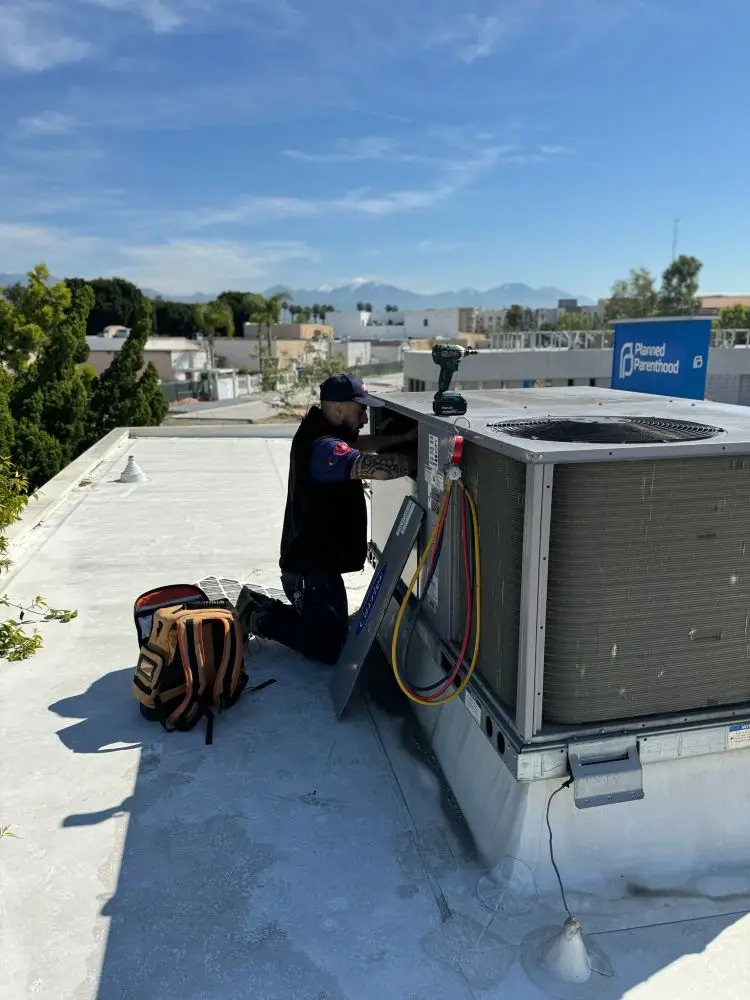
Your HVAC maintenance visit is a full system checkup, not a quick look and a wave goodbye. A good tech inspects parts, measures airflow and temps, tests safety controls, and confirms the system runs in a safe range. You should expect clear notes on what was checked, what readings looked like, and what may need attention later. Done right, maintenance helps your home feel steady and helps your system last longer.
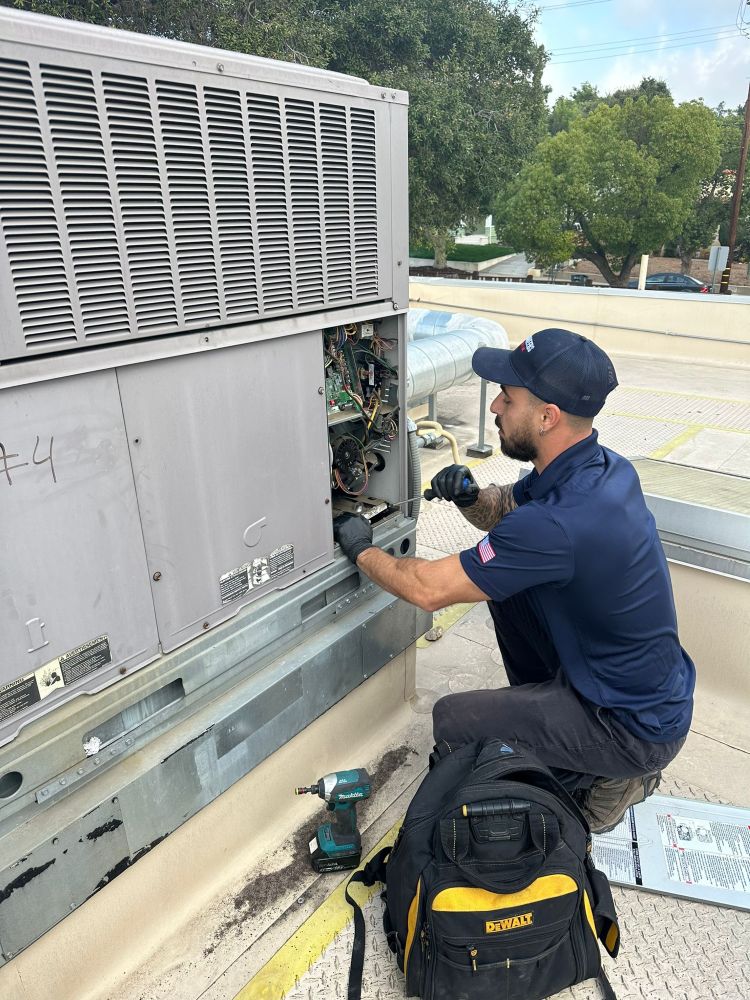
What “HVAC maintenance” really means in plain English
Think of your HVAC system like a car you drive every day. If you only notice it when it makes a weird noise, you are already late to the party. Maintenance is when a trained technician looks at the stuff you cannot see, then checks how the system behaves while running.
A proper visit focuses on three things.
Comfort, safety, and reliability.
Comfort is how evenly your house cools or heats.
Safety is about fuel, flame, wiring, drains, and shutoffs.
Reliability is about wear, electrical health, and clean airflow.
And yes, you may hear your tech say things like, “This reading looks good,” or “This number is off.” That is a good sign. It means they are testing, not guessing.
To schedule HVAC maintenance with Pioneers Heating & Air, use Contact Us.
What a technician inspects first, before touching tools
Most visits start with a walk and a look. Fast, but meaningful.
A pro usually checks:
- Thermostat setup and location, and if it responds
- Indoor unit condition, cabinet, panels, and signs of water
- Outdoor unit condition, coil condition, and airflow around it
- Filter type, fit, and signs of airflow problems
- Supply and return vents, not each room in detail, but for clues
- Any odd smells, noise, or vibration while the system starts
Light humor moment, because it is true. The HVAC system tells on itself. A rattle, a drip, or a burnt smell is like your system clearing its throat to get attention.
The measurements that matter, and what “good” looks like
You do not need to memorize numbers. Still, it helps to know what techs are aiming for, so you can judge the report you get.
Airflow and temperature split
A tech will often measure the temperature of the air going into the system and the air coming out.
For air conditioning, many systems run well with a temperature drop of about 16 to 22 degrees F across the indoor coil. Homes differ, so the tech uses this as a clue, not a rule carved in stone.
If the split is low, it can point to low airflow, low refrigerant charge, or coil issues.
If the split is high, it can point to low airflow or a dirty coil.
Airflow itself is harder to “sum up” in one number without extra tools, but techs look for signs. Static pressure tests can show if the system is straining to breathe.
If you want a report with real measurements, Pioneers Heating & Air can help via Contact Us.
Refrigerant system checks
A pro may connect gauges or use sensors, then compare pressures and temperatures. They are looking at superheat and subcooling targets based on your system type.
What “good” looks like depends on the equipment, the metering device, and outdoor conditions. So a tech should not promise a single magic number for every home. What you can expect is this: they confirm the charge is within the maker’s target range and that the coil is being fed correctly.
Safety note: refrigerant work needs training and the right tools. It is not a weekend project.
Electrical readings
Electric motors and controls need clean power and solid connections. A tech will often check:
- Voltage at key points
- Amp draw on motors, compared to the rating plate
- Capacitor health, measured in microfarads against its rating
- Contactor condition and pitting
- Wiring connections for heat marks or looseness
A “good” electrical report usually means readings are close to the equipment ratings, connections are tight, and parts are not showing heat damage.
Combustion and furnace safety checks
If you have a gas furnace, safety checks matter a lot. Expect tests and inspections like:
- Heat exchanger visual check when possible
- Burner condition and flame look
- Flame sensor condition and signal stability
- Ignition operation
- Draft and venting basics
- Safety switches, rollout, limit switch operation
A technician may also check carbon monoxide risk points around the furnace area. They are looking for safe venting and clean combustion signs. They may not do full combustion analysis on every visit, but they should still check for red flags.
Short safety note: if you ever smell gas, leave the area and contact the gas company or emergency services. Maintenance is not the time to “wait and see.” For guidance, see CDC carbon monoxide (CO) information.
Condensate drain and water management
In cooling mode, your system pulls moisture from indoor air. That water has to go somewhere.
A tech will often:
- Inspect the drain pan for rust or overflow marks
- Clear or flush the drain line if needed
- Check the safety switch, if your system has one
- Inspect the pump, if you have a condensate pump
In Pasadena, a clogged drain is common after dusty weeks, plus long cooling runs. It is not dramatic, it is just a mess if ignored.
What technicians clean during a maintenance visit
Cleaning is not about making things shiny. It is about airflow, heat transfer, and preventing breakdowns.
Common professional cleaning tasks include:
- Outdoor condenser coil rinse and debris removal, done carefully
- Indoor blower compartment check, sometimes cleaning based on access
- Clearing leaves and lint around the outdoor unit base
- Wiping down cabinet areas that show oil, soot, or water stains
Some indoor coil cleaning takes more time and may not be included in a basic visit if access is limited. A good tech will explain what they can reach and what would take a bigger service.
Tests that prove your system can start, run, and stop correctly
A system that cools for ten minutes can still be unreliable. Techs test cycles and controls.
Expect checks like:
- Start up sequence, does it start cleanly
- Run cycle stability, no short cycling
- Shutdown behavior, fan delay and normal stopping
- Safety controls trip test when appropriate
- Thermostat call, staging, and response
If your system is a heat pump, the tech may also check the reversing valve operation and defrost controls.
Ductwork and static pressure, the hidden comfort issue
Ducts are the highways. The equipment is the engine. A strong engine still feels weak if the road is blocked.
A technician may:
- Check return air path, filter fit, and obvious leaks
- Measure static pressure to see if airflow is restricted
- Look for crushed flex duct, disconnected runs, or dirty returns
Good results look like a system that is not straining. When static pressure is high, it can lead to noise, weak airflow, coil freeze ups, and early blower wear.
To discuss airflow or duct concerns with Pioneers Heating & Air, use Contact Us.
What we usually see in Pasadena, CA
Pasadena homes come in many styles, from older bungalows to condos near South Lake Avenue, plus hillside homes near Eaton Canyon. That variety changes what techs find.
Common patterns techs run into:
- Dust load after dry windy days, which can clog filters faster
- Outdoor units near shrubs or walls, which can block airflow
- Older duct layouts with tight returns that cause noisy airflow
- Condensate drains that grow buildup during long cooling stretches
- Sun baked outdoor units that run hotter and work harder in summer
If you live near busier roads like Colorado Boulevard, extra dust and debris can show up at the outdoor coil and in filters. Not your fault, it is just the neighborhood doing what it does.
Weather in Pasadena and why it changes maintenance needs
Pasadena heat can push AC systems for long stretches, especially during heat waves. When the outdoor air is hot, the outdoor coil must dump more heat, so a dirty coil hurts more.
Cooler winter nights still matter too. A furnace that sits unused, then runs hard, can show ignition issues or sensor problems. Rain and moisture can also find weak spots around outdoor electrical parts and disconnect boxes.
Humidity is not like the Gulf Coast, but indoor moisture still rises during cooking, showers, and rainy days. That moisture becomes condensate, so drain health still matters.
What a good maintenance report looks like
You should not get a vague thumbs up.
You should get:
- A list of what was inspected and tested
- Any readings that were taken, written down
- Notes on parts showing wear, even if still working
- Clear next steps, urgent or watch list
- A plain explanation you can repeat to your spouse or roommate
If a tech says, “Everything is fine,” ask, “What readings did you check?” If they have real notes, they will not mind.
Quick “if this, then that” troubleshooting guide
These are expectation setters, not DIY repair steps.
- If the system runs but airflow feels weak, then the tech will check static pressure, blower performance, coil condition, and duct restrictions.
- If the AC cools at night but struggles mid day, then the tech will check outdoor coil cleanliness, refrigerant targets, and airflow, plus sun and clearance around the unit.
- If the system turns on and off a lot, then the tech will check thermostat setup, staging, safety switches, airflow, and equipment sizing clues.
- If you see water near the indoor unit, then the tech will check the drain line, pan, pump, and the coil for ice signs.
- If you hear buzzing at the outdoor unit, then the tech will check the contactor, capacitor, and electrical connections.
- If the furnace starts then shuts off, then the tech will check flame sensing, venting, limit switch behavior, and combustion clues.
Common myths and the facts
Myth: Maintenance is just changing a filter.
Fact: Pros test electrical parts, controls, airflow, and safety items that a filter cannot touch.
Myth: If it is cooling, refrigerant must be fine.
Fact: Systems can cool and still be undercharged or overcharged, which can strain the compressor.
Myth: A louder unit means it is “working hard,” so it is okay.
Fact: New noises often mean vibration, wear, or airflow problems that can get worse.
Myth: The outdoor unit can sit in a tight corner, it is fine.
Fact: Restricted airflow raises pressures and heat, which can cut comfort and shorten equipment life.
What you should expect from the visit, step by step
A typical maintenance visit often follows a flow like this:
- 1) Confirm your concerns, hot rooms, noise, odors, run time.
- 2) Check thermostat operation and basic settings.
- 3) Inspect indoor unit, filter area, blower area, drain system.
- 4) Run the system and take temperature and electrical readings.
- 5) Inspect outdoor unit, coil condition, fan motor operation.
- 6) Verify refrigerant performance using manufacturer targets.
- 7) Confirm safe operation, and note any worn parts.
- 8) Share findings in plain language and answer questions.
If you feel rushed, speak up. A good tech will talk through what they found. You are not interrupting, you are hiring.
Care schedule you can follow without doing technical work
This is about timing and planning, not repairs.
Weekly
- Listen for new sounds during start up and shutdown.
- Notice hot or cold spots, then mention them at your next visit.
Monthly
- Check the filter condition and replace it as needed. Filter life depends on pets, dust, and run time.
- Walk around vents and returns, keep them unblocked by rugs or furniture.
Yearly
- Schedule professional maintenance for cooling before heavy summer run time.
- Schedule professional maintenance for heating before colder nights settle in.
If you use your system a lot, or have pets and allergies, you may need more than one visit per year. For a basic overview of heating, ventilation, and air conditioning, see Heating, ventilation, and air conditioning.
FAQs
How long does an HVAC maintenance visit take?
Many visits take about an hour or two, depending on system type, access, and what the tech finds. Bigger homes and tight attic access can add time.
What should I ask my technician to show me?
Ask for the temperature split, key electrical readings, and notes on coil and drain condition. Also ask what items are “watch list” vs “needs action.”
Is HVAC maintenance different for a heat pump?
Yes. Heat pumps need checks in both heating and cooling modes when possible. Techs also check reversing valve operation and defrost controls.
Will maintenance stop all breakdowns?
No, parts can still fail. Maintenance lowers the odds and helps catch wear early, like a weak capacitor or a clogged drain.
What readings should be written down on the invoice?
Expect temperatures, electrical checks, and notes about refrigerant performance within maker targets. The exact values vary by equipment and outdoor conditions.
Is it safe to run my AC if the outdoor unit is dirty?
It will run, but it may run hotter and longer. A tech can clean it correctly and check pressures and electrical strain after cleaning.
How often should I do maintenance in Pasadena?
Many homeowners do cooling service once a year and heating service once a year. If your system runs most months, two visits per year makes sense.
Can a maintenance visit improve comfort in one room that is always hot?
Sometimes. If the issue is airflow, restrictions, or duct leaks, maintenance findings can point to the fix. If it is a layout or duct design issue, the tech can explain options.
If you want HVAC maintenance in Pasadena, CA that comes with real testing, clear notes, and straight talk, Pioneers Heating & Air can help. Schedule a maintenance visit and get a system that runs steadier, feels better, and is less likely to surprise you on the hottest day of the year. Call (626) 217-0559 or visit https://pioneersheatingandair.com/.
For scheduling, use Contact Us.